


 About Urh Social
 Terms of Service
 Privacy Policy
 Contact
PRP Hair Treatment for People Seeking Nonsurgical Hair Care Options
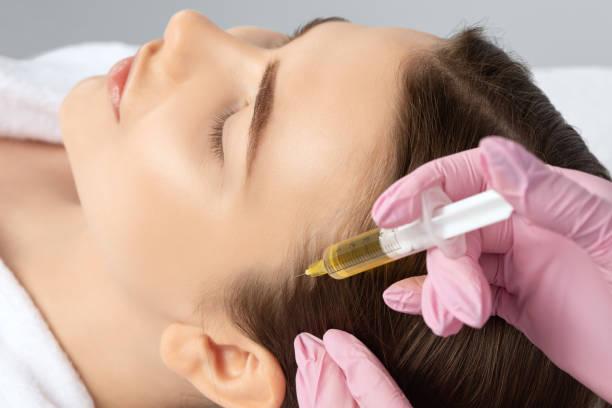
Hair thinning, increased shedding, and reduced hair density can affect confidence and make everyday grooming more challenging. For people who prefer to explore options that do not involve surgery, understanding available hair restoration treatments is an important first step. PRP hair treatment in Riyadh is a nonsurgical procedure that uses platelet-rich plasma prepared from the patient's own blood and injects it into selected areas of the scalp. Platelets contain growth factors involved in natural cellular communication and tissue repair, which may help support existing hair follicles in suitable candidates. Although PRP can be an option for certain types of hair loss, results vary depending on the cause and severity of thinning. Learning about the procedure, its potential benefits, and its limitations can help you make an informed decision.
Understanding Nonsurgical Hair Care Options
Nonsurgical hair care includes treatments and routines designed to manage hair thinning without a hair transplant. These options may include medically recommended topical treatments, prescription therapies when appropriate, scalp care, and procedures such as PRP.
The most suitable approach depends on the underlying reason for hair loss. Hereditary hair thinning may require a different plan from shedding related to stress, nutritional deficiencies, hormonal changes, or scalp disorders. A professional assessment can help identify possible causes and determine whether a nonsurgical procedure may be appropriate.
It is important to distinguish cosmetic hair care from medical treatment. Shampoos and conditioning products may improve the appearance and manageability of hair, but they do not necessarily address the processes responsible for follicle miniaturization or persistent shedding.
What Is PRP Hair Treatment?
Platelet-rich plasma, commonly known as PRP, is prepared from a small sample of the patient's blood. The sample is processed in a centrifuge to separate its components and concentrate platelets within the plasma.
Platelets release growth factors and other signaling substances that participate in the body's natural repair processes. During PRP treatment, the prepared plasma is injected into selected areas of the scalp. The goal is to influence the local scalp environment and potentially support the function of existing hair follicles.
Because PRP uses material obtained from the patient's own blood, it is different from treatments that introduce a medication into the scalp. However, using a person's own blood does not eliminate every risk. The procedure should be performed by a qualified healthcare professional using appropriate preparation and sterile techniques.
How PRP May Support Hair Follicles
Hair follicles pass through a natural cycle of growth, transition, and rest. In some forms of hair loss, the growth phase may become shorter or the follicles may gradually produce finer strands. These changes can make the scalp more visible over time.
PRP is being studied for its potential to influence cellular signals around existing follicles. Some clinical studies suggest that it may improve hair density or thickness in certain cases of nonscarring hair loss. Nevertheless, the evidence varies, and the treatment does not produce the same response in every individual.
PRP cannot create new hair follicles or reliably restore areas where follicles have been permanently destroyed. A scalp assessment helps determine whether viable follicles remain and whether PRP may be a reasonable option.
Who May Consider PRP?
PRP may be considered by people experiencing certain types of early or moderate hair thinning, particularly when existing follicles remain active. People concerned about gradual reductions in density may wish to discuss the procedure with a qualified clinician.
However, not everyone with hair loss is a suitable candidate. Sudden shedding, patchy hair loss, scalp inflammation, or scarring may indicate a condition that requires a different medical approach. A clinician may recommend blood tests or other investigations when symptoms suggest an underlying health issue.
The consultation should include a discussion of medical history, current medications, treatment goals, possible side effects, and alternative options. This helps ensure that the treatment plan is based on the individual's condition rather than appearance alone.
What Happens During a PRP Session?
The procedure typically begins with a consultation and examination of the scalp. A small blood sample is collected and processed to prepare platelet-rich plasma. The scalp is then cleaned, and a topical numbing agent may be applied to reduce discomfort.
The prepared plasma is injected into selected areas using fine needles. The procedure is usually carried out in an outpatient setting, and many patients can return to routine activities afterward. Temporary tenderness, redness, swelling, or bruising may develop around the injection sites.
Aftercare instructions may cover when to wash the scalp, which products to avoid temporarily, and when to resume exercise. Following the clinician's guidance can help minimize irritation and support recovery.
Potential Benefits and Limitations
One potential benefit of PRP is that it does not require an incision or surgical hair transplantation. Some suitable patients may experience improved hair thickness or density over time. The procedure can also be discussed as part of a broader hair restoration plan.
However, PRP is not a guaranteed solution. Results depend on the cause of hair loss, the condition of the follicles, and the treatment protocol. Some patients experience limited improvement, and maintenance sessions may be recommended when a benefit is observed.
Possible side effects include discomfort, bruising, swelling, and temporary tenderness. Infection is uncommon when appropriate sterile procedures are followed, but it remains a possible complication. A healthcare professional should explain the benefits and risks before treatment begins.
When Can You Expect to See Changes?
Hair grows gradually, so potential improvements are not usually visible immediately after treatment. If PRP is effective, changes may become noticeable over several months. A clinician may recommend an initial series of sessions and later maintenance depending on the patient's response.
Photographs taken under consistent lighting can help track changes in density and thickness. Follow-up appointments also provide an opportunity to review progress and consider whether additional treatment is appropriate.
If hair loss continues or worsens, the treatment plan may need to be reassessed. PRP should not delay medical evaluation of persistent or unexplained hair loss.
Supporting Hair Health Without Surgery
Nonsurgical hair care works best when it addresses the underlying cause of thinning. A balanced diet, gentle hair handling, and appropriate management of diagnosed health conditions can support general hair health. Avoiding repeated pulling or excessive chemical processing may also reduce avoidable hair damage.
A healthcare professional may recommend established medical treatments alongside or instead of PRP. Combining approaches should be based on individual needs and clinical guidance rather than using multiple treatments without assessment.
Explore PRP Hair Treatment at Royal Clinic Saudi
If you are exploring hair restoration options without surgery, Royal Clinic Saudi can be a starting point for discussing your concerns and available treatments. During a consultation, you can learn whether PRP hair treatment in Riyadh may be appropriate for your type of hair loss and understand the possible benefits, limitations, and aftercare requirements. A personalized assessment can help you compare nonsurgical options and establish realistic expectations before deciding how to proceed.
FAQs:
1. Is PRP hair treatment a nonsurgical procedure?
Yes. PRP is performed through scalp injections and does not require surgical incisions or a hair transplant.
2. Can PRP help with all types of hair loss?
No. It may help some suitable patients, but effectiveness depends on the cause of hair loss and the condition of existing follicles.
3. When might results from PRP become noticeable?
If the treatment is effective, changes may develop over several months.
4. Can I return to my normal activities after PRP?
Many people resume routine activities soon afterward, but they should follow their clinician's specific aftercare instructions.

 Arabic
 French
 Spanish
 Portuguese
 Deutsch
 Turkish
 Dutch
Dutch
 Italiano
 Russian
 Romaian
 Portuguese (Brazil)
 Greek
Greek
