


 About Urh Social
 Terms of Service
 Privacy Policy
 Contact
What Does Sideburn Hair Transplant in Dubai Recovery Look Like Week by Week?
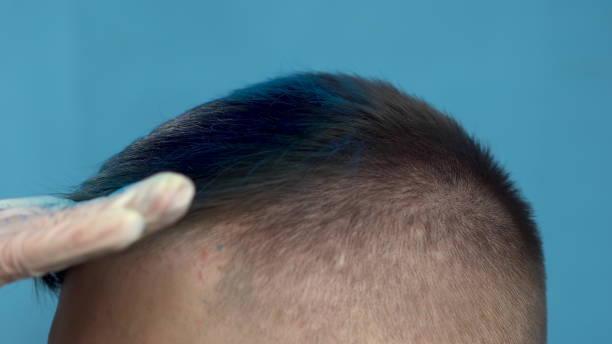
Recovery after Sideburn Hair Transplant in Dubai happens in stages, and the appearance of the treated area can change considerably before the final result becomes visible. Early redness, tiny crusts, mild swelling, and temporary shedding can be part of the normal healing process, while visible new growth usually takes much longer.
Understanding the recovery week by week can make the process easier to follow. It also helps patients distinguish expected healing changes from symptoms that deserve medical attention.
The First 24 Hours After Sideburn Transplantation
Immediately after transplantation, the sideburn area can look different from the final result.
Small graft sites may be visible, and the surrounding skin can appear pink or mildly swollen. The exact appearance depends on the number of grafts, individual skin response, extraction and implantation technique, and the patient's healing characteristics.
The priority at this stage is protecting the newly placed grafts.
Patients should follow the clinic's instructions for washing, sleeping position, medication, and activity rather than improvising their own routine.
What the Sideburn Area May Look Like
Common early changes can include:
- Mild redness
- Small crusts around grafts
- Temporary tightness
- Mild tenderness
- Localized swelling
- Slight sensitivity
These effects usually settle as healing progresses.
Days 2 to 7 and Early Graft Healing
During the first week, the transplanted follicles are establishing themselves within the recipient area.
Tiny crusts may form around individual graft sites. These should not be picked or scratched because mechanical disturbance can interfere with healing.
The sideburn may also appear darker or denser than expected because the transplanted hairs are initially present within the grafts.
This is not an indication of the final density.
Washing During the First Week
Cleansing instructions vary according to the technique and clinician's protocol.
The general principle is to clean the area gently without rubbing, scratching, or applying unnecessary pressure to freshly implanted grafts.
Patients should use only the products and method recommended by their treatment team.
Week 2 and the Transition Phase
By the second week, many of the obvious surface signs of transplantation begin to settle.
Crusting generally reduces, and the skin may look increasingly normal. Some patients may notice temporary shedding of the visible hair shafts.
This can be surprising, particularly when the sideburn initially looked fuller.
However, shedding of the hair shaft does not necessarily mean the follicle has been lost.
Weeks 3 to 4 and Temporary Shedding
The third and fourth weeks can be visually confusing because the sideburn may look less dense than it did immediately after treatment.
This is often associated with the normal hair-growth cycle following transplantation.
The follicle can remain beneath the skin while the visible hair shaft sheds. New growth then develops later as the follicle enters a new growth phase.
Why Early Appearance Can Be Misleading
A transplant should not be judged by the first few weeks.
The early appearance reflects graft placement and temporary hair presence, while the later result depends on follicular growth and maturation.
Comparing daily photographs can create unnecessary concern because changes are gradual and difficult to notice from one day to the next.
Month 2 and Early Regrowth
Around the second month, some patients begin noticing subtle changes, although significant visible growth should not be expected in every case.
The newly emerging hairs may initially be fine, light, or uneven.
This is part of the maturation process rather than evidence that the final result will remain thin.
The sideburn should be evaluated over months rather than weeks.
Month 3 and the Beginning of Visible Growth
By approximately three months, early new hairs may become easier to see.
Growth is highly individual. Some follicles may emerge earlier while others remain dormant for longer.
The new hairs can also appear finer than established facial hair.
This difference can gradually reduce as the follicles mature.
Early Facial Hair Can Look Uneven
Uneven growth during this stage does not automatically indicate a poor result.
Individual follicles have different growth cycles, and the sideburn can therefore appear patchy temporarily.
This is one reason clinicians usually recommend patience before evaluating density or considering additional grafts.
Months 4 to 6 and Increasing Density
Between approximately four and six months, many patients begin seeing more meaningful improvement.
The sideburn can start blending more naturally with surrounding facial hair as additional follicles enter active growth.
Hair diameter may also increase gradually.
This stage is particularly important for assessing whether the direction and placement of the grafts are creating the intended facial-hair pattern.
Months 6 to 9 and Maturing Sideburn Growth
At this point, the result may look significantly more developed, although maturation can continue.
New hairs often become stronger and more cosmetically useful as their diameter and pigmentation improve.
Patients may also become more comfortable experimenting with trimming and styling once their clinician has confirmed that the area has healed sufficiently.
Around 12 Months and Final Assessment
A final assessment is often made around the one-year point, although individual timelines vary.
By then, the clinician can evaluate:
- Density
- Hair direction
- Graft survival
- Blending with natural hair
- Sideburn symmetry
- Facial proportions
- Overall cosmetic integration
Some patients may continue seeing subtle maturation beyond this point.
Sideburn Recovery in Dubai's Climate
Dubai's environment adds practical considerations to recovery.
High temperatures, intense sunlight, humidity shifts, and air conditioning can make the skin feel more sensitive during the early healing period.
Patients should be particularly careful about unnecessary sun exposure and follow their clinic's recommendations for protecting the treated area.
Travel can also influence planning. Anyone flying soon after treatment should discuss the timing with the treating team rather than assuming that travel is automatically suitable.
Clinic note: Recovery should be judged by the healing pattern rather than by how quickly the sideburn looks cosmetically complete. Early redness or shedding can occur before the long-term result becomes visible.
When Recovery Does Not Look Typical
Every patient heals differently, but certain symptoms should not simply be ignored.
Contact the treating clinic if you develop symptoms such as:
- Increasing rather than improving pain
- Significant or worsening swelling
- Persistent bleeding
- Spreading redness
- Pus-like discharge
- Fever
- Other concerning changes
Your surgical team is the best source for determining whether a particular symptom requires examination.
Why Follow-Up Matters
Follow-up appointments allow the clinician to evaluate the recipient area and confirm that healing is progressing appropriately.
They also provide an opportunity to discuss shedding, early regrowth, grooming, and any concerns about symmetry.
A patient should not make major grooming or treatment decisions based solely on photographs found online.
Frequently Asked Questions
When Does Sideburn Hair Start Growing After a Transplant?
Visible regrowth commonly develops gradually over several months. Early shedding can occur before new growth becomes noticeable.
When Does Sideburn Transplant Recovery Look Normal?
The surface appearance generally improves during the first few weeks, but the cosmetic result continues developing for many months.
Is Shedding After Sideburn Transplant Normal?
Temporary shedding of transplanted hair shafts can occur. The follicles may remain intact beneath the skin and later produce new hairs.
When Can the Final Result Be Judged?
A meaningful assessment usually requires several months of growth, with final evaluation often made around a year depending on the individual case.
Plan Recovery Before Your Sideburn Procedure
Knowing what to expect can make the recovery period much less stressful. The most important principle is to protect the grafts during early healing and give the follicles enough time to move through their natural growth cycle.
For an individualized recovery plan and professional assessment, contact Tajmeels Clinic about Sideburn Hair Transplant in Dubai.

 Arabic
 French
 Spanish
 Portuguese
 Deutsch
 Turkish
 Dutch
Dutch
 Italiano
 Russian
 Romaian
 Portuguese (Brazil)
 Greek
Greek
