


 About Urh Social
 Terms of Service
 Политика конфиденциальности
 Contact
How To Choose The Perfect Lace Length For Your Shoes?
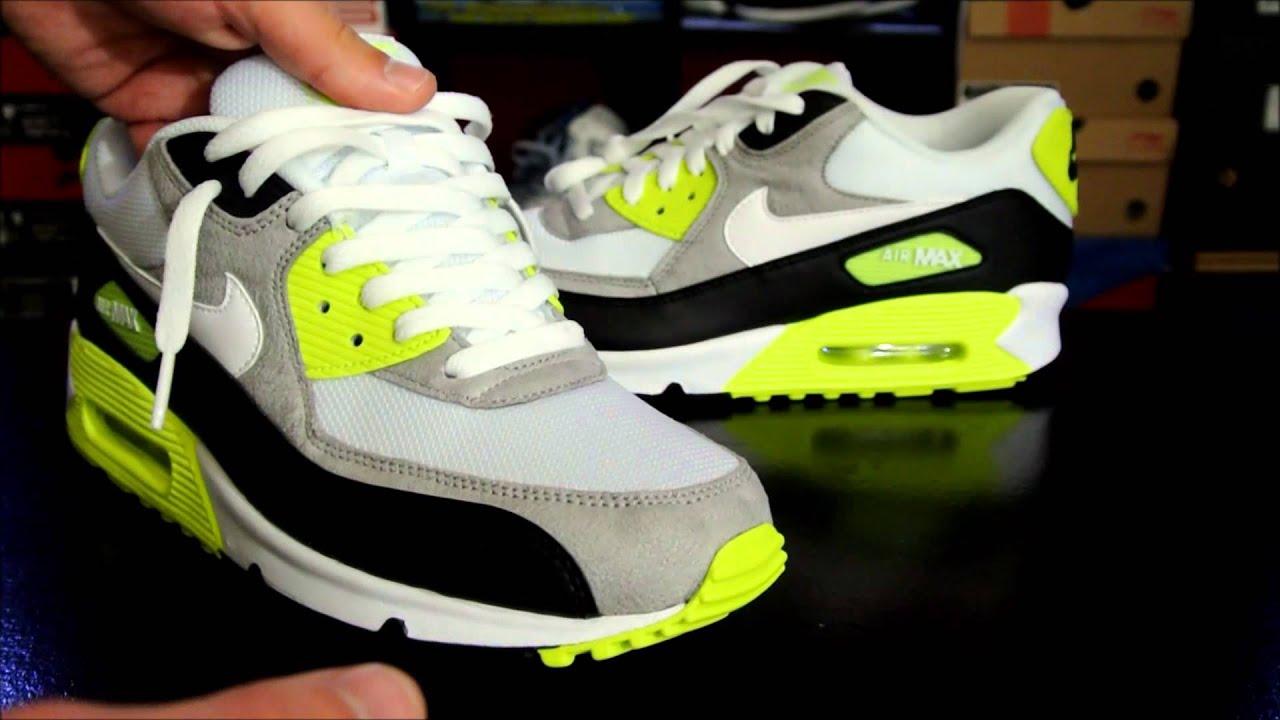
The right lace length can make a surprising difference in how your shoes fit, feel, and look. Laces that are too short can make tying difficult, while extra-long ones may drag on the ground or come undone easily. Choosing the right size becomes much simpler when you consider your shoe style, eyelet count, and preferred tying method. With the right Kwik Lace option, you can create a secure, comfortable fit without unnecessary hassle.
Why Lace Length Matters
Shoe laces do more than hold footwear together. They help control how securely the shoe wraps around your foot and can affect both comfort and appearance.
If a lace is too short, you may struggle to create a proper knot. This can place unnecessary tension on the upper part of the shoe and make adjustments difficult. On the other hand, an excessively long lace can leave loose ends that become annoying during walking.
The correct length gives you enough material to thread through every eyelet and tie the shoe comfortably. It should also complement the shoe's overall design without creating excessive loops or hanging ends.
What Determines the Right Lace Length?
Several factors influence the ideal length for a pair of shoes. Looking at these details before buying can help prevent common sizing mistakes.
Number of Eyelet Pairs
The number of eyelet pairs is one of the easiest ways to estimate lace length. Shoes with fewer eyelets generally need shorter laces, while footwear with more eyelets requires additional material.
For example, a casual shoe with four or five eyelet pairs may need a considerably shorter lace than a high-top sneaker with seven or eight pairs.
Shoe Type
Different footwear styles have different lacing requirements. A low-profile dress shoe, running shoe, hiking boot, and high-top sneaker may all require different lengths.
Consider the height and construction of the shoe before selecting a replacement. Boots often require longer laces because the lacing area extends farther up the foot and ankle.
Lacing Pattern
Your preferred lacing technique also affects how much lace you need. A standard crisscross pattern usually requires less material than some decorative or specialized patterns.
If you plan to use a more complex lacing method, allow some additional length. This ensures that you have enough lace remaining for a secure finish.
Tying Preference
Some people prefer large loops, while others like small, neat knots. Your personal preference can influence the ideal length.
If you normally make larger loops, choosing a slightly longer lace may provide the extra material you need. However, avoid going too long simply to create oversized loops.
How to Measure Your Existing Laces
If your current laces fit well, measuring them is one of the most reliable ways to select a replacement.
Remove one lace completely from the shoe and lay it flat on a straight surface. Stretch it gently without pulling hard, then measure from one tip to the other.
Record the measurement in inches or centimeters. You can then compare that measurement with the available replacement sizes.
Measure Without Stretching
Avoid pulling the lace tightly during measurement. Excessive stretching can make the lace appear longer than it normally is during use.
A relaxed, straight measurement provides a more practical reference for choosing your replacement.
Check Both Shoes
Most matching pairs of shoes use the same lace length. However, if the shoes have different designs or lacing systems, check each one separately.
This is particularly useful when replacing laces on footwear that has been customized or modified.
How to Estimate Lace Length Without the Original Lace
Sometimes the original lace is missing or damaged beyond use. In that situation, you can estimate the required length by counting the eyelet pairs.
The following table provides a general starting point. Actual requirements can vary depending on shoe construction, spacing, and lacing style.
| Eyelet Pairs | Typical Shoe Type | Approximate Lace Length |
|---|---|---|
| 2–3 pairs | Small casual shoes | 27–36 inches |
| 4 pairs | Low-profile footwear | 36–45 inches |
| 5 pairs | Sneakers and casual shoes | 45–54 inches |
| 6 pairs | Athletic footwear | 54–63 inches |
| 7 pairs | High-top sneakers | 63–72 inches |
| 8 pairs | Boots and tall footwear | 72–81 inches |
| 9+ pairs | Tall boots | 81+ inches |
These figures are guidelines rather than universal measurements. Eyelet spacing and the type of lacing can change the amount of lace required.
How to Choose Lace Length by Shoe Type
Different footwear calls for different approaches. Identifying the type of shoe first can make your decision much easier.
Sneakers
Most everyday sneakers use moderate-length laces. Start by counting the eyelet pairs and checking the length of your existing lace if possible.
For athletic shoes, also consider how tightly you like to secure the upper. If you use additional heel-lock techniques, you may need a little more material.
Running Shoes
Running shoes need a secure fit without excessive pressure. The lace should provide enough length for your preferred lacing method and a comfortable knot.
If you use a runner's loop or heel-lock technique, check the available length carefully. A lace that barely reaches the knot may not provide enough flexibility for adjustment.
Dress Shoes
Dress shoes often have fewer eyelets and a slimmer profile. As a result, they generally require shorter laces than sneakers or boots.
For formal footwear, appearance also matters. Excessively long ends can look untidy, so choosing an appropriate length helps maintain a clean finish.
Hiking Boots
Hiking boots frequently have several eyelets or hooks extending toward the ankle. They therefore require longer laces than many everyday shoes.
When selecting a lace for outdoor footwear, consider both length and durability. A properly sized lace should allow secure tying without leaving excessive material around the ankle.
Kids' Shoes
Children's footwear usually needs shorter laces because the shoes are smaller. However, safety and convenience should remain important considerations.
For younger children, alternatives that reduce loose lace ends can make footwear easier to manage. Always select an option appropriate for the child's age, shoe design, and activity.
Common Mistakes When Choosing Lace Length
Selecting laces based only on appearance can lead to problems. A few simple checks can help you avoid unnecessary replacements.
Buying Based Only on Shoe Size
A person's shoe size does not automatically determine lace length. Two shoes in the same size can have different numbers of eyelets, spacing, and upper designs.
Instead, look at the actual footwear construction.
Ignoring Eyelet Spacing
Counting eyelets is useful, but spacing matters too. Widely spaced eyelets can require more lace than closely positioned ones.
For this reason, use eyelet count as a starting point rather than an exact formula.
Choosing Extra-Long Laces for Convenience
It may seem safer to buy a longer lace because you can always make larger loops. However, excessive length can create loose ends that catch on objects or become untied.
Aim for enough length to tie comfortably while keeping the finished knot neat.
Forgetting Your Lacing Style
Changing from a basic crisscross pattern to another technique can alter the amount of lace you need.
If you have a particular lacing style in mind, account for it before purchasing replacements.
Tips for Getting a Better Fit
The correct length is only part of a comfortable lacing setup. How you thread and tighten the lace also matters.
Keep Tension Even
Pull the lace evenly as you move upward through the eyelets. Uneven tension can create pressure points and make one section of the shoe feel tighter than another.
Leave Enough Room for the Knot
Before completing the final knot, check that both ends are approximately equal. This makes tying easier and helps create a balanced appearance.
Consider Adjustable Options
If you frequently struggle with traditional laces, an adjustable system can simplify daily footwear routines. Kwik Lace systems can be useful for people who want a convenient way to secure their shoes without repeatedly dealing with traditional tying.
Replace Worn Laces Promptly
Frayed laces can break unexpectedly. If the fibers are visibly worn, replacing them before they fail can prevent inconvenience and reduce the risk of loose footwear during activity.
How to Get the Right Balance Between Comfort and Security
A good lace setup should hold the shoe securely without making it uncomfortably tight. Start with moderate tension and adjust individual sections rather than pulling the entire lace aggressively.
For active footwear, pay attention to movement. Walk around after lacing the shoes and notice whether your heel stays secure while your toes have enough room to move.
If the shoe feels tight across the top of the foot, loosen the affected section rather than simply choosing a longer lace. Length and tension solve different problems.
When Should You Replace Your Shoe Laces?
Laces do not necessarily need replacing just because they look slightly worn. However, certain signs indicate that a replacement is worthwhile.
Consider replacing them when you notice:
- Frayed or broken fibers
- Damaged lace tips
- Persistent loosening
- Uneven stretching
- Difficulty maintaining a secure knot
- Significant discoloration or material deterioration
Replacing worn laces can also refresh the appearance of older footwear without replacing the entire pair of shoes.
A Simple Lace-Length Checklist
Before purchasing replacement laces, run through a quick checklist:
- Count the number of eyelet pairs.
- Measure the original lace if it is available.
- Identify the type of shoe.
- Consider your preferred lacing pattern.
- Think about how large you want the finished loops.
- Check whether the shoe needs extra length around the ankle.
- Compare your measurements with the manufacturer's size options.
- Make sure the finished lace will not leave excessive loose material.
This process takes only a few minutes and can significantly reduce the chance of choosing the wrong size.
Choosing the Right Lace for Everyday Footwear
The best lace is not necessarily the longest or thickest option. It should match the footwear's construction, provide enough room for your preferred tying method, and support a comfortable fit.
For people who frequently put on and remove their shoes, convenience can be just as important as traditional styling. An adjustable lace system can make everyday footwear easier to manage while maintaining a secure fit.
Ultimately, focus on how the lace performs on your specific shoe rather than relying on a single measurement rule.
Conclusion
Choosing the perfect lace length becomes much easier when you look beyond shoe size alone. Count the eyelet pairs, measure an existing lace when possible, consider the shoe type, and account for your preferred lacing technique. Most importantly, choose a length that provides enough room for a secure knot without leaving unnecessary material hanging from the shoe. A well-fitted lace can improve both appearance and everyday comfort. By taking a few minutes to check your footwear before buying replacements, you can avoid common sizing mistakes and create a cleaner, more comfortable fit.
FAQs
How do I know what lace length my shoes need?
Count the eyelet pairs and measure your existing lace if possible. You can then compare the measurement with the recommended range for your shoe type.
Can I use longer laces than recommended?
You can, but excessively long laces may create large loops or loose ends. Choose a length that gives you enough material to tie comfortably without unnecessary excess.
Does shoe size determine lace length?
Not by itself. Eyelet count, spacing, shoe style, lacing pattern, and tying preference can all affect the required length.
How often should I replace shoe laces?
Replace them when they become heavily frayed, damaged, stretched, or difficult to secure. Regular inspection can help you identify wear before the lace breaks.
Are adjustable laces suitable for everyday shoes?
Yes. Adjustable laces can be a practical choice for everyday footwear because they allow users to secure their shoes without repeatedly tying traditional knots. The right option depends on the shoe design and personal preference.

 English
 Arabic
 French
 Spanish
 Portuguese
 Deutsch
 Turkish
 Dutch
Dutch
 Italiano
 Romaian
 Portuguese (Brazil)
 Greek
Greek
