


 About Urh Social
 Terms of Service
 Политика конфиденциальности
 Contact
Alopecia Areata Treatment in Dubai for First-Time Patients
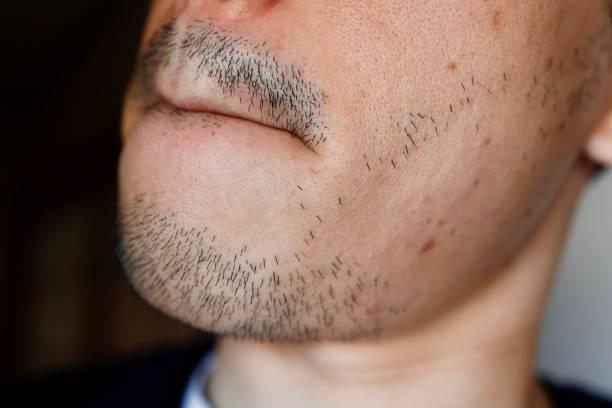
Noticing a smooth bald patch for the first time can be confusing, especially when the surrounding hair appears completely normal. Alopecia Areata Treatment in Dubai begins with confirming whether the pattern is actually alopecia areata, determining whether the condition is active, and selecting treatment according to the extent and location of hair loss. Some mild cases may regrow without treatment, while persistent or more extensive disease can require medical intervention.
For a first-time patient, the most important step is not choosing a procedure immediately. It is establishing an accurate diagnosis and understanding what is happening around the affected follicles.
What First-Time Patients Should Know About Alopecia Areata
Alopecia Areata Treatment in Dubai Starts With the Correct Diagnosis
Alopecia areata is an immune-mediated condition in which the immune system attacks hair follicles, producing areas of hair loss. It commonly appears as smooth, round or oval patches on the scalp but can also affect the beard, eyebrows, eyelashes, or other hair-bearing areas.
The absence of scaling, significant redness, or scarring can help distinguish typical alopecia areata from certain other scalp disorders, although a clinical examination is needed to make that distinction reliably.
Why First-Time Hair Loss Should Be Examined
Several conditions can produce apparently similar hair loss. Fungal infections, traction-related loss, scarring alopecias, nutritional problems, hormonal conditions, and other forms of hair shedding can require different treatment.
A dermatologist may examine the scalp and nails, use a dermatoscope to assess follicular structures, and review medical and family history. Blood testing or a scalp biopsy may sometimes be appropriate when another diagnosis needs to be excluded.
A First Patch Does Not Always Mean Permanent Hair Loss
The course of alopecia areata varies significantly. Some people experience one episode followed by regrowth, while others develop additional patches or experience recurrence over time.
This unpredictability is one reason why the first consultation should establish a baseline rather than focusing only on the visible bald area.
How Alopecia Areata Treatment in Dubai Is Planned for New Patients
A first treatment plan should reflect the amount of hair lost, how long the patch has been present, its anatomical location, the patient's age, and whether new areas are appearing.
| First-time presentation | What the clinician assesses | Possible management direction |
|---|---|---|
| One small patch | Stability and signs of regrowth | Observation or localized treatment |
| Several small patches | Number and distribution of affected areas | Targeted or broader medical treatment |
| Rapidly expanding patches | Evidence of active disease | Prompt dermatological management |
| Beard involvement | Follicular pattern and facial location | Site-specific treatment planning |
| Eyebrow or eyelash loss | Sensitive anatomy and disease extent | Carefully selected medical therapy |
| Widespread scalp loss | Overall severity | Assessment for systemic treatment |
No single treatment is appropriate for every patient. The American Academy of Dermatology notes that treatment decisions depend on factors including how much hair has been lost, how long the condition has been present, where hair has been lost, and the patient's age.
The First Consultation for Alopecia Areata Treatment in Dubai
A first consultation is essentially a diagnostic mapping exercise. The clinician needs to understand both the affected area and the behavior of the disease.
Scalp Mapping and Dermoscopic Examination
The scalp can be divided into clinically relevant regions so that the size and location of each patch can be documented. Dermoscopy can provide a closer view of hairs and follicular openings that may not be visible during an ordinary examination.
Photographs taken under consistent lighting can also create a useful baseline for later comparison.
Reviewing Hair and Nail Changes
Alopecia areata can affect more than scalp hair. Nail pitting, brittleness, or other changes can occur, particularly in some patients with more extensive disease.
A first-time patient should mention any unusual nail changes, eyebrow loss, eyelash thinning, or beard patches during the consultation.
Reviewing Medical and Family History
The clinician may ask whether relatives have experienced alopecia areata or whether the patient has a history of autoimmune or allergic conditions. This information can help place the hair loss into a broader clinical context.
It is also useful to mention recent illnesses, new medications, major changes in health, and previous episodes of unexplained hair loss.
Choosing Alopecia Areata Treatment in Dubai for the First Time
Treatment is not automatically necessary for every newly diagnosed patient. According to the AAD, people with one or two patches present for less than a year may sometimes be monitored because spontaneous regrowth can occur.
When treatment is appropriate, the choice depends on the extent and activity of the disease.
Localized Corticosteroid Treatment
For adults with a limited number of patches, dermatologists may use corticosteroid injections directly within affected areas. These injections are designed to reduce local inflammatory activity around the follicles.
The technique requires controlled placement and spacing because the objective is to treat affected tissue without unnecessarily exposing unaffected scalp.
Topical Medical Therapy
Prescription corticosteroids and other topical medications can be used in selected cases. The formulation, strength, application frequency, and duration should be determined by the treating clinician.
Topical treatment can be particularly relevant when injections are unsuitable or when the patient's age and disease pattern call for another approach.
Systemic Treatment for Extensive Disease
Extensive alopecia areata can require systemic therapy. JAK inhibitors are among the newer medical options used for appropriate patients with significant disease, with specific medicines approved for particular age groups and severity levels.
These medications require medical evaluation and monitoring and should not be treated as routine cosmetic hair-growth supplements.
Where Procedural Hair Treatments Fit
Procedural approaches can be considered in selected treatment plans, but first-time patients should understand the distinction between supportive hair procedures and therapies directed specifically at the immune process.
PRP involves collecting a small blood sample, processing it to concentrate platelets, and introducing the preparation into selected scalp areas. Mesotherapy uses multiple small injections to deliver a selected preparation into the scalp.
Laser or low-level light approaches use controlled light exposure rather than injections. The suitability of any procedural treatment depends on the clinical diagnosis and the patient's individual presentation.
For patients exploring specialized hair and aesthetic care in Dubai, the key consideration is whether the proposed procedure has a defined role in their treatment plan rather than simply being available as a cosmetic service.
Preparing for Your First Alopecia Areata Treatment in Dubai
First-time patients can make the consultation more productive by bringing relevant information about the onset and progression of their hair loss.
Useful preparation includes:
- Photographing the patch when it first appears.
- Recording whether the area has increased in size.
- Noting any new patches elsewhere.
- Listing current medications and supplements.
- Mentioning previous scalp treatments.
- Reporting eyebrow, eyelash, beard, or body-hair changes.
- Mentioning relevant family history.
- Reporting any nail abnormalities.
Patients should also avoid assuming that recent stress is automatically the cause. Stress or illness may act as a trigger in some people who are predisposed to alopecia areata, but an obvious trigger is absent in many cases.
Dubai-Specific Considerations for New Patients
Dubai's hot outdoor environment and extensive use of indoor air conditioning can influence practical scalp care after treatment.
Managing Sun Exposure
Bare patches have less natural protection from ultraviolet exposure. NIAMS recommends protecting exposed areas of scalp from the sun, particularly when hair loss leaves skin uncovered.
This matters for patients who spend time outdoors, commute between locations, exercise outside, or regularly visit beaches and pools.
Adapting to Air-Conditioned Environments
Long periods in air-conditioned environments can make the scalp feel dry or uncomfortable for some patients. Aggressive cleansing, frequent chemical treatments, and unnecessary scalp manipulation may increase irritation.
A simple care routine based on the clinician's instructions is generally more appropriate than continuously changing products.
Planning Around Work and Social Commitments
First-time patients may also need to consider appointment timing. Depending on the selected treatment, there can be temporary tenderness, redness, or other local effects.
Scheduling treatment when the patient can follow the recommended aftercare without immediately exposing the scalp to excessive heat, sun, or strenuous activity can make recovery easier.
What Regrowth May Look Like
Hair does not necessarily return at its original thickness or color immediately. New hairs can initially appear fine, short, or lighter before developing greater pigmentation and thickness.
Regrowth can also occur unevenly. One patch may begin filling while another remains unchanged, and additional patches can occasionally appear during the same period.
This is why progress should be assessed over time rather than judged from the appearance of the scalp immediately after treatment.
How Progress Is Documented
A clinician may compare standardized photographs and examine the affected follicles at follow-up appointments.
Changes worth documenting include:
- Reduction in patch size.
- Appearance of short new hairs.
- Increasing hair density.
- Changes in hair pigmentation.
- Development of new patches.
- Changes affecting eyebrows, eyelashes, or beard hair.
This provides a more objective picture than relying on memory.
Questions First-Time Patients Commonly Ask
Does alopecia areata always need treatment?
No. Some mild cases can regrow spontaneously, so observation may be appropriate after diagnosis.
Can hair grow back after alopecia areata?
Yes. Regrowth is possible, although the timing and completeness vary between patients.
Are injections used for patchy alopecia areata?
Yes. Dermatologists may use corticosteroid injections directly within localized patches, particularly in appropriate adult patients.
Can alopecia areata return after regrowth?
Yes. Some people experience recurrent episodes after previously regrowing their hair.
Does stress definitely cause alopecia areata?
No. Stress or illness may contribute as a trigger in susceptible people, but many patients have no obvious trigger.
Is a hair transplant the first treatment for alopecia areata?
Usually, the underlying disease should be evaluated first. Alopecia areata is an immune-mediated condition, so treatment generally focuses on controlling disease activity and supporting regrowth rather than immediately transplanting follicles.
The Strategic Value of an Early Diagnosis
For someone experiencing alopecia areata for the first time, the treatment journey should begin with identification rather than assumptions. Establishing the diagnosis, documenting the affected areas, assessing disease activity, and understanding the available medical options creates a clearer foundation for subsequent decisions.
Alopecia Areata Treatment in Dubai can range from observation and topical medication to localized injections or systemic treatment, depending on the patient's presentation. Current dermatology guidance emphasizes individualized treatment because disease extent, duration, location, age, and response can differ substantially between patients.
For patients seeking an individualized assessment and treatment plan in Dubai, Tajmeels Clinic provides specialized care for alopecia areata and related hair-loss concerns.

 English
 Arabic
 French
 Spanish
 Portuguese
 Deutsch
 Turkish
 Dutch
Dutch
 Italiano
 Romaian
 Portuguese (Brazil)
 Greek
Greek
