


 About Urh Social
 Terms of Service
 Política de Privacidade
 Contact
PRP Hair Treatment in Riyadh: What Happens During Each Session?
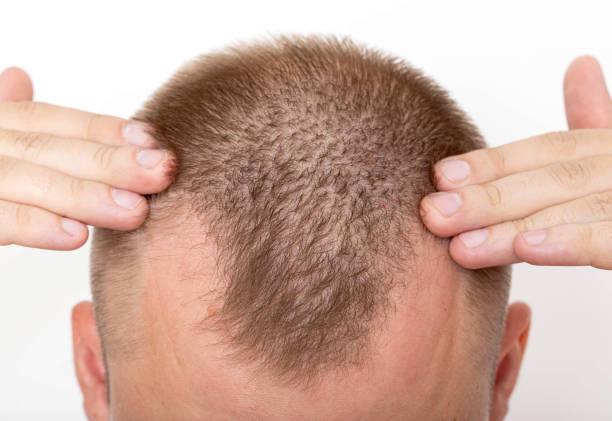
Hair loss can develop gradually, making many people look for treatments that support existing hair follicles and improve the overall appearance of thinning areas. PRP therapy uses platelet-rich plasma prepared from the patient’s own blood and delivered to targeted areas of the scalp. Understanding what happens during each appointment can help you know what to expect and prepare for the treatment process.
What Is PRP Hair Treatment?
prp in riyadh is a non-surgical procedure that uses a concentrated portion of the patient’s blood plasma containing platelets and growth-related proteins. A small blood sample is collected and processed before the resulting plasma is carefully injected into selected areas of the scalp.
The purpose is to create a supportive environment around existing hair follicles. PRP does not transplant hair or create entirely new follicles, so results depend on factors such as the cause of hair loss, follicle condition, and individual response to treatment.
What Happens Before the First Session?
Before treatment begins, a consultation is generally performed to understand the pattern and possible cause of hair loss. The practitioner may examine the scalp, review medical history, discuss medications, and assess whether PRP is appropriate.
This stage is important because not every type of hair loss responds to PRP in the same way. A personalized treatment plan may also determine the areas to be treated and whether multiple sessions are recommended.
Step 1: Preparing the Scalp
Before the procedure, the scalp is cleaned carefully to reduce the risk of contamination. The treatment area may be divided or marked so injections can be delivered systematically to areas experiencing thinning.
Depending on the individual's sensitivity and the provider's approach, a topical or local numbing method may be used to improve comfort during the injection stage.
Step 2: Collecting a Blood Sample
One of the first active steps of PRP Hair Treatment in Riyadh is collecting a small amount of blood, usually from a vein in the arm. The process is similar to having blood drawn for a routine laboratory test.
The collected sample is then placed into specialized equipment for processing. The goal is to separate and concentrate the platelet-rich portion of the blood from other components.
Step 3: Processing the PRP
The blood sample is processed using a centrifugation technique or another appropriate preparation method. This separates different blood components and allows the practitioner to obtain the platelet-rich plasma.
The resulting preparation is intended for use on the scalp during the same appointment. The exact preparation method and concentration can vary depending on the equipment and clinical protocol used by the provider.
Step 4: Injecting PRP Into the Scalp
Once the PRP has been prepared, it is injected into selected areas of the scalp using a fine needle. The practitioner generally targets areas where hair is thinning or where additional follicular support may be appropriate.
Patients may experience brief pinching, pressure, or mild discomfort during individual injections. The number of injections depends on the size of the treatment area and the treatment plan.
Step 5: Completing the Session
After the injections are completed, the scalp is checked and the practitioner may provide specific aftercare instructions. Because PRP is a non-surgical procedure, there is usually no surgical incision or extensive recovery period.
Some people can return to normal activities relatively soon, although recommendations about washing the hair, strenuous exercise, hair products, and other activities can vary.
What Can You Expect After Each Session?
Temporary tenderness, redness, mild swelling, or sensitivity around the injection sites can occur after treatment. These effects generally settle as the scalp recovers, but the exact experience differs from person to person.
It is important to understand that hair improvement does not normally happen immediately after a single session. Hair growth is a gradual biological process, and any visible changes may take time to become noticeable.
How Many PRP Sessions May Be Needed?
The number and frequency of sessions depend on the individual's hair-loss pattern, treatment goals, scalp condition, and response to therapy. Some treatment plans involve an initial series of appointments followed by maintenance sessions.
During follow-up appointments, the practitioner can evaluate changes in hair density and scalp condition and determine whether continuing treatment is appropriate. PRP Hair Treatment in Riyadh should therefore be viewed as a treatment process rather than a one-time procedure with guaranteed results.
Factors That Can Affect Your Results
Several factors may influence how a person responds to PRP therapy. These can include the underlying cause of hair loss, the condition of existing follicles, age, overall health, treatment consistency, and individual biological response.
Following professional instructions and attending recommended follow-up appointments can help the practitioner monitor progress. Standardized photographs may also be useful for comparing changes over time.
Is PRP Hair Treatment Suitable for Everyone?
PRP may be considered for certain types of hair thinning, particularly when viable hair follicles are still present. However, suitability cannot be determined from hair loss alone.
A professional assessment is important before beginning treatment. The practitioner can identify potential causes of hair loss and discuss whether PRP is appropriate or whether another treatment approach may be more suitable.
Book an Appointment With Royal Clinic Saudia
If you are considering PRP Hair Treatment in Riyadh, Royal Clinic Saudia can provide a professional consultation to assess your scalp, discuss your concerns, and explain the treatment process. A personalized evaluation can help you understand what to expect from each session and whether PRP may fit your hair-care goals.
FAQs:
What happens during a PRP hair treatment session?
A typical session involves scalp preparation, blood collection, PRP processing, and injections into selected areas of the scalp, followed by aftercare guidance.
Is PRP hair treatment painful?
Some people experience mild discomfort, pinching, or sensitivity during injections. Comfort measures may be used depending on the treatment approach and individual needs.
Will I see hair growth immediately after PRP?
No. Hair changes generally develop gradually, and visible improvement may require time and multiple sessions depending on the individual's response.
Can everyone with hair loss receive PRP?
Not necessarily. Suitability depends on the cause and pattern of hair loss, follicle condition, medical history, and other individual factors.

 English
 Arabic
 French
 Spanish
 Deutsch
 Turkish
 Dutch
Dutch
 Italiano
 Russian
 Romaian
 Portuguese (Brazil)
 Greek
Greek
