


 About Urh Social
 Terms of Service
 Privacy Policy
 Contact
What Causes Droopy Eyelids and How Can Surgery Help?
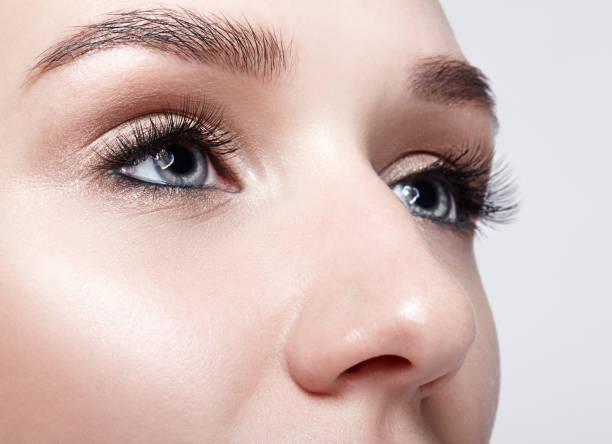
Droopy eyelids can make the eyes appear tired, heavy, or older than they actually are. In some cases, the condition can also interfere with the upper field of vision. Drooping may develop because of aging, genetics, changes in the eyelid muscles, excess skin, or other structural factors. Understanding the cause is important because the most suitable treatment depends on what is creating the drooping. eyelid surgery costs in riyadh may help selected patients improve both eyelid appearance and, when appropriate, visual function.
What Are Droopy Eyelids?
Droopy eyelids occur when the upper eyelid sits lower than expected or when excess skin hangs over the eyelid. Medical terms such as ptosis may be used when the eyelid itself is positioned too low, while dermatochalasis commonly refers to excess eyelid skin associated with aging.
The appearance can range from mild heaviness to significant drooping that partially covers the eye. Some people experience the condition on one side, while others have it on both sides.
Common Causes of Droopy Eyelids
Aging and Changes in Skin
Aging is one of the most common reasons for changes around the upper eyelids. Over time, skin can lose elasticity, while the supporting tissues around the eyes gradually change. This may create excess skin and a heavier appearance.
Genetics
Some people naturally have eyelids that appear lower or heavier because of their facial anatomy. Genetic eyelid characteristics can become more noticeable with age.
Changes in Eyelid Muscles
The muscles responsible for lifting the upper eyelids can become weaker or function differently. This can contribute to true ptosis, where the eyelid itself sits lower over the eye.
Brow Position and Facial Structure
A lower brow can also contribute to a heavy upper-eye appearance. Because several structures influence how the upper eyelid looks, a thorough assessment is needed before deciding whether eyelid surgery is appropriate.
Previous Injury or Medical Conditions
In some cases, trauma, previous procedures, nerve-related problems, or other medical conditions may contribute to eyelid drooping. These causes require careful evaluation rather than assuming that excess skin is the only issue.
How Can Eyelid Surgery Help?
Eyelid Surgery in Riyadh can be tailored according to the underlying eyelid concern. For patients with excess upper eyelid skin, upper blepharoplasty may involve removing a carefully selected amount of skin to create a more open and refreshed appearance.
When true ptosis is responsible for the drooping, a different surgical approach may be required to improve eyelid elevation. The procedure selected depends on eyelid muscle function, anatomy, severity, and the patient's individual needs.
The objective is not to remove as much tissue as possible. A balanced approach is important to maintain normal eyelid function and create a natural-looking result.
Can Droopy Eyelids Affect Vision?
In more significant cases, drooping can extend into the upper visual field. Patients may find themselves raising their eyebrows, tilting their head, or relying on forehead muscles to see more comfortably.
If visual obstruction is caused by excess eyelid skin or certain types of eyelid drooping, treatment may improve the affected portion of the visual field. However, eyelid surgery does not correct every type of vision problem, so the cause of the visual limitation should be established first.
What Happens During an Evaluation?
A specialist will examine the upper and lower eyelids, eyelid movement, brow position, skin quality, and surrounding facial structures. Your medical and eye history will also be reviewed.
The assessment helps distinguish between excess skin, true ptosis, brow descent, and other causes of eyelid heaviness. This is important because different conditions may require different treatments.
Your goals and expectations should also be discussed. A personalized plan can then be developed based on your anatomy and whether your main concern is cosmetic, functional, or both.
What Results Can Patients Expect?
Eyelid Surgery in Riyadh may create a more open and refreshed appearance by addressing selected structural changes around the eyes. When eyelid tissue is interfering with vision, functional improvement may also be possible in appropriate cases.
Results vary from person to person. Surgery does not stop the natural aging process, and it cannot correct unrelated causes of tired-looking eyes, dark circles, or vision problems.
The aim is generally to achieve a balanced appearance while preserving normal eyelid movement and eye protection.
Recovery and Aftercare
After eyelid surgery, temporary swelling, bruising, tightness, sensitivity, and dryness may occur. These effects generally improve as healing progresses, although the recovery period varies according to the procedure and individual patient.
Following postoperative instructions is important. Patients may need to temporarily modify exercise and other activities while the tissues heal. Follow-up appointments allow the specialist to monitor recovery and address any concerns.
Is Surgery Right for Everyone?
Not everyone with droopy eyelids needs surgery. Candidacy depends on the cause and severity of the drooping, eye health, general health, previous procedures, medications, skin quality, and expectations.
A qualified specialist can determine whether surgery is appropriate and explain its potential benefits and risks. Possible complications can include bleeding, infection, scarring, asymmetry, changes in sensation, healing problems, dry eyes, and other procedure-specific concerns.
Book an Appointment With Royal Clinic Saudia
If droopy or heavy eyelids are affecting your appearance or comfort, Royal Clinic Saudia can provide a professional assessment and discuss suitable treatment options. An individualized evaluation can help identify the cause of the drooping and determine whether surgery may be beneficial.
FAQs:
What is the most common cause of droopy eyelids?
Aging-related changes in the skin and supporting tissues are common causes, although genetics, muscle weakness, brow position, and other factors can also contribute.
Can eyelid surgery fix droopy eyelids caused by aging?
In suitable patients, surgery can address excess skin and certain structural changes associated with aging. The appropriate procedure depends on the underlying cause.
Can droopy eyelids affect eyesight?
Yes. Significant drooping or excess upper eyelid skin can sometimes obstruct part of the upper visual field.
Does eyelid surgery stop the eyelids from aging again?
No. Surgery can provide long-lasting structural improvement, but it does not stop the natural aging process.

 English
 Arabic
 French
 Portuguese
 Deutsch
 Turkish
 Dutch
Dutch
 Italiano
 Russian
 Romaian
 Portuguese (Brazil)
 Greek
Greek
