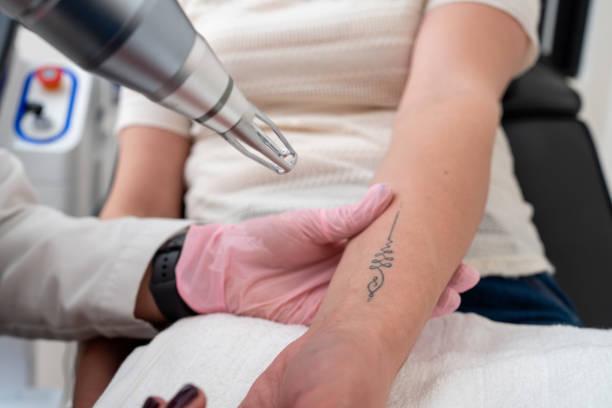
Laser tattoo removal has become a widely used option for people who want to fade or remove unwanted tattoos. However, results can vary significantly from one person to another. Factors such as tattoo color, ink depth, pigment density, skin type, tattoo location, age, and the type of laser technology used can all influence how well the tattoo responds. Understanding these factors can help patients develop realistic expectations before beginning tattoo removal riyadh.
What Factors Determine the Success of Laser Tattoo Removal?
The success of laser tattoo removal depends on several characteristics of both the tattoo and the individual receiving treatment. A professional assessment is important because there is no single treatment plan that works equally well for every tattoo.
Tattoo Ink Color
Ink color is one of the most important factors affecting laser tattoo removal. Different pigments absorb different wavelengths of laser energy.
Dark Pigments
Black and other dark pigments often respond well because they can absorb laser energy efficiently. This can make them comparatively easier to target.
Bright and Light Colors
Green, blue, yellow, orange, pink, purple, and white pigments can respond differently depending on their specific composition. Some may require specialized wavelengths or a longer treatment process.
Ink Depth and Density
The depth at which tattoo ink sits within the skin can influence treatment. Professional tattoos may contain pigment placed relatively deep in the dermis, while amateur tattoos can have less consistent pigment placement. Ink density also matters. A heavily saturated tattoo contains more pigment that must be progressively fragmented and cleared by the body.
Tattoo Age
Older tattoos may have already experienced some natural fading. Over time, exposure to the environment and the body's natural processes can reduce pigment intensity. However, an older tattoo is not necessarily easier to remove. Its ink composition, depth, and density remain important factors when determining how it may respond to treatment.
Tattoo Location
Where a tattoo is located on the body can influence the removal process. Areas with stronger circulation may sometimes clear fragmented pigment more efficiently than areas with comparatively slower circulation. The location also affects how the skin responds and heals after treatment. These considerations can help practitioners develop a suitable treatment plan.
Skin Type and Skin Tone
Skin characteristics play an important role in selecting appropriate laser settings. The laser must target tattoo pigment while minimizing unnecessary interaction with the surrounding skin. People with darker skin tones may require particularly careful treatment customization because natural melanin can absorb certain laser wavelengths. A qualified practitioner can select appropriate settings based on individual skin characteristics.
Laser Technology and Wavelength
Different laser technologies and wavelengths are designed to target specific tattoo pigments. The choice of wavelength depends largely on the tattoo's colors and the patient's skin characteristics. Modern laser systems can deliver short, controlled pulses that break pigment into smaller particles. These fragments are then gradually processed by the body's natural immune system.
Number of Treatment Sessions
Laser tattoo removal usually requires multiple sessions rather than a single treatment. After each session, the body needs time to clear fragmented ink and the skin needs time to recover. The number of sessions varies according to tattoo size, color, density, depth, location, and individual response. Scheduling treatments with appropriate intervals is an important part of achieving progressive fading.
Patient Aftercare
Following aftercare instructions can support proper skin recovery. Patients may be advised to protect the treated area from unnecessary sun exposure, avoid picking or scratching the skin, and keep the area clean. Ignoring aftercare recommendations can increase irritation and may interfere with comfortable healing. Good aftercare supports the overall treatment process.
Previous Tattoo Treatments
Previous attempts to remove or alter a tattoo can influence subsequent treatment. Tattoos that have already undergone laser sessions may respond differently from untreated tattoos. Similarly, cover-up tattoos can contain additional layers of pigment, which may affect the treatment strategy. Providing an accurate treatment history allows the practitioner to plan more appropriately.
Individual Healing and Immune Response
The body plays an important role in tattoo fading. The laser breaks the pigment into smaller particles, but the body is responsible for gradually clearing those fragments. Individual immune responses vary, meaning two people with similar tattoos may experience different rates of fading. This is one reason why treatment results cannot be predicted solely from tattoo size or appearance.
Does Complete Tattoo Removal Always Happen?
No. Laser treatment can produce substantial fading for many tattoos, but complete removal cannot be guaranteed. Certain pigments may be resistant, while deeply placed or heavily saturated ink can require an extended treatment journey. For some patients, significant fading is the primary goal. Reducing the visibility of a tattoo may also make it easier to cover with a new design.
How Can Patients Improve Their Chances of Good Results?
Choosing an experienced provider, following the recommended treatment schedule, protecting the skin from excessive sun exposure, and following aftercare instructions can all support the treatment process. A professional evaluation is particularly important because it allows the practitioner to consider the individual tattoo rather than relying on general assumptions.
Why Is Professional Assessment Important?
Before Laser Tattoo Removal in Riyadh, a practitioner can evaluate the tattoo's color, size, depth, density, location, age, and the patient's skin type. This information helps determine an appropriate laser wavelength and treatment approach. Individualized planning can also help set realistic expectations about fading, treatment sessions, recovery, and possible results.
Book an Appointment at Royal Clinic Saudia
If you are considering laser tattoo removal, Royal Clinic Saudia can assess your tattoo and skin characteristics and discuss suitable treatment options. A personalized consultation can help you understand the factors that may influence your results and create a treatment plan based on your individual needs.
FAQs:
What is the most important factor in successful laser tattoo removal? Ink color, composition, depth, density, skin type, tattoo location, and laser technology can all influence treatment success. Are black tattoos easier to remove with lasers? Black pigments often respond well to appropriate laser wavelengths, although individual results can vary. Does tattoo age affect laser removal results? Older tattoos may have naturally faded, but age alone does not determine how easily a tattoo can be removed. Can laser tattoo removal completely erase every tattoo? No. Many tattoos can be significantly faded, but complete removal is not guaranteed.



 About Urh Social
 Terms of Service
 Политика конфиденциальности
 Contact

 English
 Arabic
 French
 Spanish
 Portuguese
 Deutsch
 Turkish
 Dutch
Dutch
 Italiano
 Romaian
 Portuguese (Brazil)
 Greek
Greek
