


 About Urh Social
 Terms of Service
 Política de privacidade
 Contact
Contrast Therapy Benefits for Recovery and Wellness
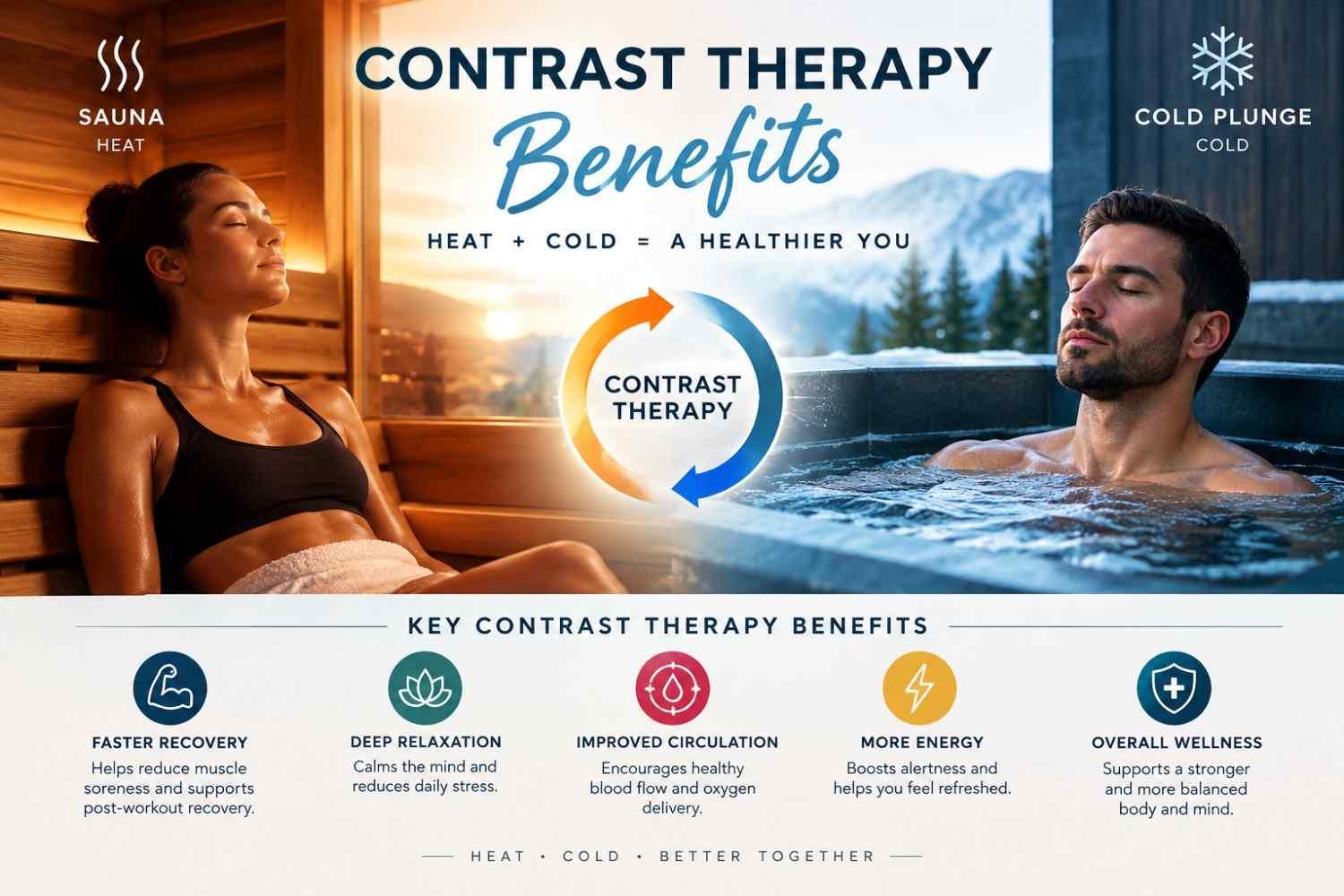
Modern wellness routines are increasingly focused on simple, effective ways to support physical recovery and mental well-being. One approach that has gained attention is contrast therapy, which combines exposure to heat and cold in a structured routine. This practice can be a refreshing addition to a balanced recovery and wellness lifestyle.
The contrast therapy benefits come from alternating between warm and cold environments, such as a traditional sauna followed by a cold plunge. The change in temperature creates a unique experience that may support circulation, muscle recovery, relaxation, and overall physical well-being. When practiced responsibly, contrast therapy can become an enjoyable part of a regular wellness routine.
What Is Contrast Therapy?
Contrast therapy involves moving between heat and cold for short, controlled periods. A typical session may begin with time in a hot sauna, followed by a brief cold plunge. The process can be repeated according to personal comfort and experience.
The combination of temperatures creates a noticeable physical response. Heat can encourage relaxation and help the body feel loose, while cold exposure provides an invigorating sensation. Together, these practices create a balanced wellness experience.
Key Contrast Therapy Benefits
Supports Muscle Recovery
One of the main reasons people include contrast therapy in their wellness routine is recovery. After exercise, muscles can feel tired, tight, or uncomfortable. Alternating heat and cold may provide a refreshing experience that helps the body transition from activity toward relaxation.
For active individuals, incorporating contrast therapy after training can be a useful way to complement other recovery habits such as stretching, hydration, sleep, and proper nutrition.
Encourages Healthy Circulation
Alternating temperatures can create changes in how blood vessels respond. Heat encourages blood vessels to expand, while cold exposure causes them to constrict. Moving between these temperatures creates a repeated stimulus that may support healthy circulation.
Good circulation is important for delivering oxygen and nutrients throughout the body, making circulation support an important part of overall wellness.
Helps Promote Relaxation
A sauna session can provide a peaceful environment away from daily distractions. Warm temperatures may help the body relax while giving you time to slow down and focus on yourself.
Following the heat with a refreshing cold plunge can create an energizing contrast. Many people enjoy this combination because it offers both relaxation and revitalization within one session.
Contrast Therapy for Mental Wellness
Wellness is not limited to physical recovery. Taking intentional time away from work, screens, and everyday responsibilities can also support mental relaxation.
The focused experience of moving between heat and cold can encourage mindfulness. Instead of thinking about a busy schedule, you can concentrate on breathing and how your body feels. This can make contrast therapy a valuable addition to a broader self-care routine.
How to Build a Consistent Routine
Consistency is often more important than making a single session extremely intense. Beginners should start gradually and allow their bodies to become familiar with both heat and cold exposure.
Listen to your body throughout the experience and avoid staying in extreme temperatures longer than you can comfortably tolerate. Hydration is also important, especially when using a sauna.
If you have a medical condition or concerns about heat or cold exposure, speak with a qualified healthcare professional before beginning contrast therapy.
FAQs
How does contrast therapy work?
Contrast therapy works by alternating between hot and cold exposure, commonly through sauna sessions and cold plunges. The temperature changes create different physiological responses.
Is contrast therapy good after exercise?
It can be a useful addition to a recovery routine. Many people use heat and cold exposure after physical activity to promote relaxation and support their overall recovery habits.
How often can I practice contrast therapy?
Frequency depends on individual tolerance, experience, and overall health. Starting with shorter sessions and gradually developing a comfortable routine is generally a sensible approach.
Can beginners try contrast therapy?
Yes, beginners can start with a gentle approach. Shorter heat and cold periods can help you understand how your body responds before progressing.
Conclusion
Contrast therapy offers a unique combination of heat and cold that can complement an active and wellness-focused lifestyle. From supporting muscle recovery and circulation to promoting relaxation and mental refreshment, its benefits make it an appealing recovery practice for many people. Start gradually, stay hydrated, and focus on consistency rather than intensity.
For a dedicated wellness experience that combines traditional sauna and cold exposure, visit Therma Haus Denver and make contrast therapy part of your wellness routine.

 English
 Arabic
 French
 Spanish
 Portuguese
 Deutsch
 Turkish
 Dutch
Dutch
 Italiano
 Russian
 Romaian
 Greek
Greek
