


 About Urh Social
 Terms of Service
 Privacy Policy
 Contact
Glutathione Injection in Dubai for Melasma Support Plans
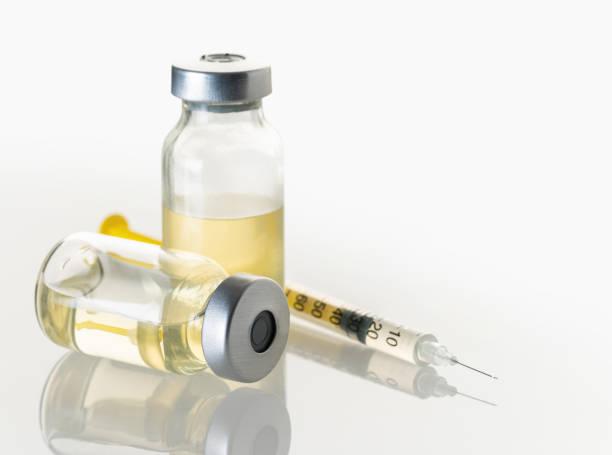
Melasma requires a more targeted approach than simply trying to make the complexion appear brighter. Glutathione Injection in Dubai may be discussed as an adjunct within a broader complexion plan for selected patients with melasma-like pigmentation, but it should not be presented as a standalone cure or guaranteed pigment-removal treatment. Proper assessment, strict photoprotection, and appropriate melasma management remain central to controlling this recurring condition.
Understanding Melasma and Its Complex Pattern
Melasma is a pigmentation disorder that commonly appears as brown or gray-brown patches, often on areas such as the cheeks, forehead, nose, or upper lip.
Its pattern can vary considerably.
Some pigmentation is more superficial, while other cases involve deeper pigment or a mixture of pigment locations. This can influence how the condition responds to treatment.
Melasma can also fluctuate over time.
Sun exposure is a major consideration, but hormonal influences, heat, genetics, and other factors may also contribute. Because the condition can recur, treatment should focus on long-term management rather than a one-time attempt to eliminate discoloration.
Glutathione Injection in Dubai and Melasma Management
Glutathione is a naturally occurring antioxidant involved in cellular redox processes.
Injectable glutathione has been promoted in aesthetic settings for skin-brightening purposes, but evidence for cosmetic lightening remains limited and variable.
For someone with melasma, this means glutathione should be considered cautiously.
It may potentially be discussed as an adjunct to an established complexion strategy, but it should not replace evidence-based pigmentation management or medical evaluation.
There is also no responsible basis for promising permanent removal of melasma or a specific lighter skin tone.
Melasma Requires More Than One Consideration
| Melasma factor | Why it matters |
|---|---|
| Pigment depth | Can influence treatment response |
| UV exposure | May worsen pigmentation |
| Heat exposure | Can be relevant for some patients |
| Hormonal factors | May contribute to recurrence |
| Skin sensitivity | Affects treatment selection |
| Previous procedures | Can influence timing and irritation risk |
| Daily photoprotection | Important for long-term management |
This broader perspective helps keep injectable treatment in its proper context.
Why Diagnosis Matters Before a Complexion Injection
Not every brown patch is melasma.
Post-inflammatory hyperpigmentation, sun-related pigmentation, freckles, and other conditions can look similar to an untrained observer.
A professional assessment may examine the distribution, color, history, and behavior of the pigmentation.
The clinician may also ask about:
- Previous pregnancies or hormonal changes when relevant
- Hormonal medications
- Sun exposure
- Heat exposure
- Previous pigmentation treatments
- Current skincare products
- Recent chemical peels or lasers
- Skin sensitivity
- Previous reactions to treatments
Correct identification of the pigmentation pattern is important because treatment strategies can differ significantly.
Dubai Sun Exposure and Melasma
Dubai's strong sunlight makes photoprotection especially important for people managing melasma.
Even after pigmentation becomes less noticeable, continued UV exposure can encourage recurrence.
Outdoor activities, commuting, beach visits, sports, and extended daytime events can all contribute to cumulative exposure.
A comprehensive plan may therefore emphasize:
- Broad-spectrum sunscreen.
- Consistent reapplication when outdoors.
- Shade whenever practical.
- Protective clothing and hats.
- Sensible scheduling of prolonged outdoor activities.
Glutathione should never be treated as a substitute for these protective measures.
Heat Can Also Matter in Melasma Care
Sunlight is not the only environmental factor worth discussing.
Some patients report that heat appears to aggravate their pigmentation. While individual responses vary, Dubai's high temperatures make this practical consideration relevant.
Spending long periods outdoors, exercising in hot conditions, or moving repeatedly between hot outdoor areas and cooled indoor spaces may affect how the skin behaves.
This does not mean heat automatically causes melasma or that glutathione can counteract it.
Instead, environmental triggers should be included when designing a realistic long-term management strategy.
Building a Supportive Melasma Plan
A melasma strategy often involves several layers of care rather than one procedure.
Depending on the individual's condition, a clinician may consider appropriate topical products, professional pigmentation procedures, strict photoprotection, and lifestyle adjustments.
Patients exploring glutathione and melasma care in Dubai should ask how an injectable approach fits into the overall treatment sequence rather than evaluating it in isolation.
This is particularly important because aggressive treatment can sometimes irritate the skin and make pigmentation more difficult to manage.
Treatment Sequencing and Skin Stability
Melasma-prone skin can be sensitive to irritation.
If a patient has recently undergone a peel, laser treatment, microneedling, or another procedure, the skin may require recovery before additional elective treatment is considered.
A clinician can determine whether the barrier has recovered sufficiently.
This staged approach also makes it easier to identify how the skin responds to each intervention.
Adding several treatments simultaneously can make it difficult to determine whether pigmentation is improving or whether irritation is contributing to a darker appearance.
When Glutathione May Be Considered
The decision to include injectable glutathione should be individualized.
A clinician may consider:
- The patient's overall complexion goals
- The type and extent of pigmentation
- Current skin condition
- Previous treatment response
- Medical history
- Medication use
- Treatment tolerance
- Realistic expectations
The presence of melasma alone does not establish that glutathione is necessary.
In some cases, a targeted pigmentation strategy may be more appropriate.
Injection Route and Individualized Treatment
Glutathione can be administered through different medical routes depending on the formulation and clinical protocol.
An injection should not automatically be treated as equivalent to an IV infusion.
The route, formulation, dose, frequency, and administration method should be selected by a qualified healthcare professional.
There is no universally appropriate schedule for treating melasma with injectable glutathione.
Increasing the amount or frequency does not guarantee better pigmentation results.
Managing Expectations With Melasma
Melasma can be persistent and recurrent.
Even when pigmentation improves, future exposure to sunlight or other contributing factors can lead to recurrence.
For this reason, the objective should be improved control and a more even-looking complexion rather than a promise that melasma will disappear permanently.
Injectable glutathione should not be marketed as a guaranteed whitening treatment.
Some patients may notice a change in overall complexion appearance, while others may see limited benefit.
Regular evaluation is more useful than assuming that additional sessions will always produce additional improvement.
When Another Treatment Should Take Priority
There are situations where glutathione should not be the main focus.
If pigmentation is newly developing, rapidly changing, unusually patterned, or difficult to diagnose, appropriate medical assessment should come first.
If the patient has significant skin irritation or active inflammation, treatment may need to be delayed.
For established melasma, targeted pigmentation management may provide a more appropriate foundation than relying primarily on an injectable antioxidant.
The best strategy is the one that addresses the actual cause and behavior of the pigmentation.
Safety Considerations
Injectable glutathione should be administered under appropriate medical supervision.
Patients should disclose allergies, medications, previous injection reactions, current skin treatments, and recent cosmetic procedures.
Temporary discomfort, tenderness, or irritation at the injection site can occur. Significant or unexpected symptoms require prompt medical attention.
Product quality is also important.
Unverified injectable products purchased online can create concerns involving sterility, authenticity, concentration, storage, and administration.
Self-injection should not replace professional assessment.
Long-Term Melasma Monitoring
Melasma management is often a continuing process.
Follow-up appointments can help evaluate whether pigmentation is becoming lighter, remaining stable, or returning.
A clinician may also reassess the skincare routine and photoprotection strategy.
If the original treatment approach is not producing meaningful improvement, continuing automatically may not be the most sensible decision.
The plan can instead be adjusted according to the patient's response.
The Strategic Investment
Melasma requires a disciplined long-term approach because pigmentation can return even after visible improvement. Glutathione may be considered as an adjunct for selected patients, but it should not replace diagnosis, targeted pigmentation management, or consistent photoprotection. For individuals considering Glutathione Injection in Dubai, Tajmeels Clinic can assess the pigmentation pattern, treatment history, environmental factors, and individual goals before determining whether injectable glutathione has an appropriate role in the overall plan.

 English
 Arabic
 French
 Spanish
 Portuguese
 Deutsch
 Turkish
 Dutch
Dutch
 Italiano
 Russian
 Portuguese (Brazil)
 Greek
Greek
