


 About Urh Social
 Terms of Service
 Privacy Policy
 Contact
Bluum Peptides Exploring Snap 8 Peptide for Laboratory Research
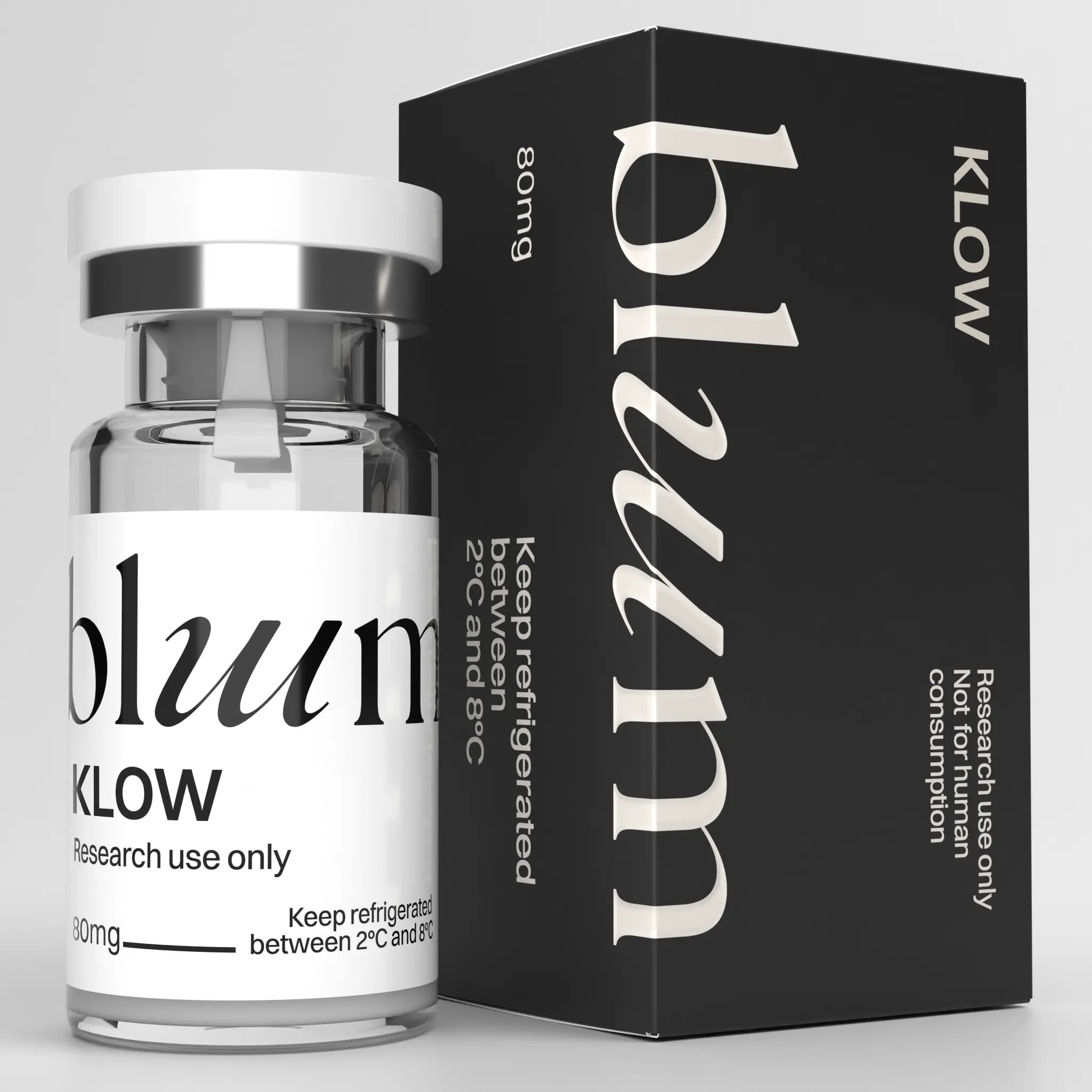
Peptide research covers a wide range of molecular structures and biological systems. As researchers investigate protein interactions, cellular communication, and molecular signaling, short synthetic peptides can provide useful models for controlled laboratory studies. One compound that appears in research and cosmetic-science discussions is snap 8 peptide, also known as SNAP-8 or acetyl octapeptide-3.
For researchers searching for reliable peptide materials, product identity, analytical information, batch documentation, and proper labeling are important considerations. Bluum Peptides provides research-focused peptide materials and emphasizes the importance of understanding product specifications before incorporating a material into laboratory work.
What Is Snap 8 Peptide?
The snap 8 peptide is a synthetic octapeptide commonly identified as acetyl octapeptide-3. It was designed around a sequence associated with the N-terminal region of SNAP-25, a protein involved in the SNARE complex and membrane-fusion processes.
The molecule is distinct from acetyl hexapeptide-8, commonly known as Argireline. Although the two peptides are related conceptually and share sequence features, they are not the same compound. Researchers should therefore verify the exact chemical identity of any peptide material before beginning an experiment.
This distinction is particularly important when comparing peptide suppliers, product catalogs, or scientific references.
Why Researchers Study Short Peptides
Short synthetic peptides can serve as useful research tools because their defined sequences allow scientists to investigate specific molecular interactions. Rather than working with a complete protein, researchers can sometimes use smaller peptide fragments as models for particular regions or interactions.
SNAP-8 is associated with research into SNARE-complex biology and protein interactions. The SNARE complex is involved in membrane fusion, making it an important subject across areas of cellular and molecular research.
The research value of a peptide should always be evaluated according to the available evidence. Mechanistic concepts, laboratory observations, and commercial claims should not automatically be treated as equivalent forms of scientific evidence.
Product Identity and Specifications
When evaluating snap 8 peptide, researchers should begin with product identity. A supplier should clearly identify the material and provide useful specifications where available.
Important information may include:
-
Product name
-
Chemical identity
-
CAS number
-
Molecular formula
-
Molecular weight
-
Batch or lot number
-
Purity information
-
Analytical testing
-
Storage recommendations
-
Research-use labeling
According to the Bluum Peptides product listing, its SNAP-8 material is supplied as a lyophilized research peptide, with lot-specific analytical information available for review.
Having this information available can make it easier for researchers to maintain accurate laboratory records.
Analytical Testing Matters
Purity and identity are important factors when selecting research materials. Analytical testing can provide researchers with information that helps them evaluate whether a material meets the stated specifications.
For peptide research, researchers may encounter analytical documentation involving techniques such as high-performance liquid chromatography and mass spectrometry. The exact documentation available depends on the supplier and specific batch.
Bluum Peptides lists third-party analytical testing and batch-specific results for its SNAP-8 product.
Researchers should review the actual documentation associated with a product rather than assuming that all materials sold under the same name have identical characteristics.
Understanding the Research Evidence
A responsible approach to snap 8 peptide research requires attention to the strength of the available evidence.
SNAP-8 has a proposed connection to SNARE-complex interactions because of its relationship to a sequence within SNAP-25. However, the evidence surrounding the compound should not be overstated. Recent evidence reviews note that dedicated independent studies of SNAP-8 as a standalone compound are limited, and some human research has involved formulations containing multiple active ingredients.
This means researchers should distinguish between studies involving SNAP-8 itself and studies involving products or formulations that contain several ingredients.
That distinction is essential when interpreting scientific literature.
Snap 8 Peptide and SNARE Research
The SNARE complex is a group of proteins involved in membrane fusion. SNAP-25 is one of the proteins associated with this system, alongside other SNARE components such as syntaxin and VAMP proteins.
Because SNAP-8 is derived from a region associated with SNAP-25, it has been investigated as a peptide model for studying interactions within this biological system.
For laboratory researchers, this makes the compound interesting as a defined molecular research material. It can be considered within experimental models designed to examine peptide-protein interactions and related cellular mechanisms.
However, a peptide fragment should not be assumed to reproduce the complete function of the larger protein from which it was derived.
Storage and Handling
Research peptides require appropriate storage and handling according to their product specifications. Researchers should always follow the supplier's instructions and established laboratory procedures.
Bluum Peptides lists storage conditions for its SNAP-8 research material, including refrigerated short-term storage and colder long-term storage, while recommending protection from light and moisture.
Researchers should also retain original product labels and batch information. This helps connect the physical research material with its analytical documentation.
Good storage practices are part of good research documentation.
Choosing a Reliable Peptide Supplier
When searching for snap 8 peptide, researchers may encounter many different online listings. A lower price or attractive product description should not be the only consideration.
A stronger supplier evaluation process can include reviewing:
Product transparency: Is the material clearly identified?
Testing information: Are analytical results available?
Batch traceability: Can the material be connected to a specific lot?
Documentation: Is supporting information provided?
Storage guidance: Are clear storage recommendations available?
Research labeling: Is the product clearly presented for legitimate research use?
These factors can help researchers make more informed decisions.
Bluum Peptides focuses on research-use peptide materials and provides product information intended to help customers evaluate their laboratory materials.
Responsible Research Use
Research peptides should be treated as laboratory materials and used only within appropriate research environments. They should not automatically be interpreted as medicines, treatments, or products approved for human or veterinary use.
This is especially important for compounds that receive significant attention through online marketing. Scientific research and commercial claims are not interchangeable.
Researchers should follow applicable institutional procedures, laboratory safety practices, supplier instructions, and relevant regulations when handling peptide materials.
Building a Better Research Workflow
A well-organized peptide research workflow begins before an experiment starts. Researchers can document the material selected, supplier information, batch number, analytical documentation, date received, and storage conditions.
For snap 8 peptide, these records can help researchers maintain consistency between experiments and identify the exact material associated with a particular research project.
When research involves multiple peptides, blends, or experimental conditions, good documentation becomes even more valuable.
Bluum Peptides can support this process by providing research-focused product information and batch-related documentation for its peptide materials.
Final Thoughts
The snap 8 peptide is a synthetic octapeptide associated with research into SNAP-25-related sequences and SNARE-complex biology. Its defined molecular structure makes it an interesting material for controlled laboratory investigation, but researchers should carefully distinguish established research findings from commercial or unsupported claims.
When sourcing SNAP-8, product identity, purity information, analytical testing, batch traceability, storage requirements, and research-use labeling should all be considered.
Bluum Peptides provides SNAP-8 as a research-focused peptide material and makes product and analytical information available for evaluation.
For researchers, the best approach is straightforward: verify the material, review its documentation, maintain accurate records, follow appropriate storage and laboratory procedures, and keep research-use materials within legitimate scientific applications.

 English
 Arabic
 French
 Spanish
 Portuguese
 Deutsch
 Turkish
 Dutch
Dutch
 Italiano
 Russian
 Portuguese (Brazil)
 Greek
Greek
