


 About Urh Social
 Terms of Service
 Πολιτική Ιδιωτικότητας
 Contact
Why Compliance and Export Planning Should Grow With Your Business
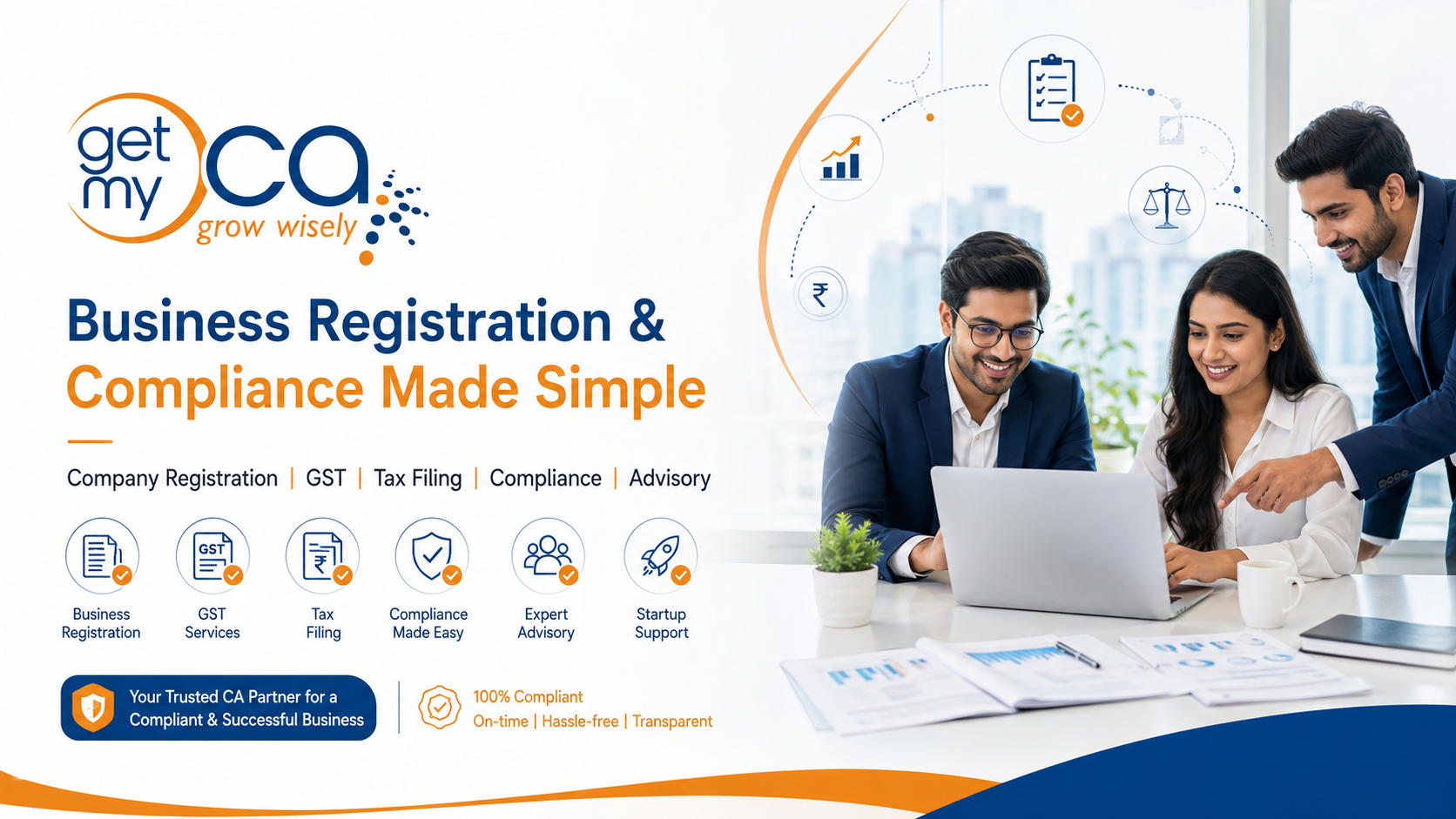
As a business expands, its responsibilities usually become more complex. New registrations, taxation requirements, employee-related compliance, export documentation, capital investment and regulatory filings may all increase over time.
For this reason, growing businesses should not treat compliance as something that is reviewed only when a notice, deadline or transaction appears. A structured approach can make expansion easier to manage and reduce avoidable documentation gaps.
Business Growth Creates New Compliance Requirements
A company operating at a small scale may initially deal with only basic registrations and tax filings. However, the compliance environment can change when the business starts entering new markets, increasing turnover, hiring employees, exporting goods or making large investments.
Having access to reliable business compliance support for growing companies can help management understand which registrations, filings and documentation requirements may become relevant as operations expand.
This is particularly useful because different activities can involve different regulatory authorities and timelines.
Exporters Need to Plan Beyond Sales
Exporting is not limited to finding international buyers and shipping products. Exporters also need to consider documentation, IEC-related requirements, GST treatment, customs procedures and applicable foreign trade regulations.
When a manufacturer is simultaneously planning new machinery, the relationship between capital investment and future exports becomes even more important.
Before purchasing equipment, exporters should clearly evaluate why the machinery is required, how it will contribute to production and whether it is connected with the goods or services being exported.
Machinery Investment Requires Early Evaluation
Businesses commonly invest in machinery for several reasons, including:
- Increasing production capacity
- Replacing outdated equipment
- Improving product quality
- Introducing automation
- Reducing manufacturing time
- Starting a new production line
- Supporting additional export demand
Each type of investment can have different commercial and regulatory considerations.
Large machinery purchases should therefore be evaluated before the final purchase order is issued rather than after the transaction is completed.
Understanding EPCG in Export Planning
Eligible exporters considering capital goods may also need to understand EPCG rules for exporters in India while planning their machinery investment.
The Export Promotion Capital Goods framework can be relevant in certain capital goods transactions, but its use is connected with prescribed eligibility conditions, documentation and export obligations.
Businesses should therefore avoid looking at EPCG only from the perspective of an immediate financial benefit. Future export performance and compliance responsibilities should also form part of the decision.
Documentation Should Remain Consistent
Good documentation becomes increasingly important when business expansion involves machinery, exports or government schemes.
Companies should maintain organised records relating to:
- Business registrations
- IEC details
- Export performance
- Machinery quotations
- Technical specifications
- Supplier information
- Purchase documentation
- Tax records
- Installation information
- Financial statements
Descriptions of machinery, values and other important details should remain consistent across relevant documents wherever required.
Compliance Should Support Business Decisions
Compliance works best when it is integrated into business planning rather than handled separately.
Before entering a new market, purchasing machinery or taking on a new regulatory obligation, management should understand the possible compliance impact of the decision.
This approach gives the business more time to organise records, evaluate available options and avoid unnecessary last-minute changes.
Final Thoughts
Business growth, compliance, exports and capital investment are closely connected. Companies that consider these areas together can make more organised and informed decisions.
For exporters in particular, machinery purchases and foreign trade requirements should ideally be evaluated before major commitments are made. Early planning cannot guarantee eligibility for any particular scheme, but it can help businesses understand their responsibilities and available options more clearly.

 English
 Arabic
 French
 Spanish
 Portuguese
 Deutsch
 Turkish
 Dutch
Dutch
 Italiano
 Russian
 Romaian
 Portuguese (Brazil)
