


 About Urh Social
 Terms of Service
 Privacy Policy
 Contact
Is Your Blocked Drain an Emergency? Key Situations You Shouldn’t Ignore
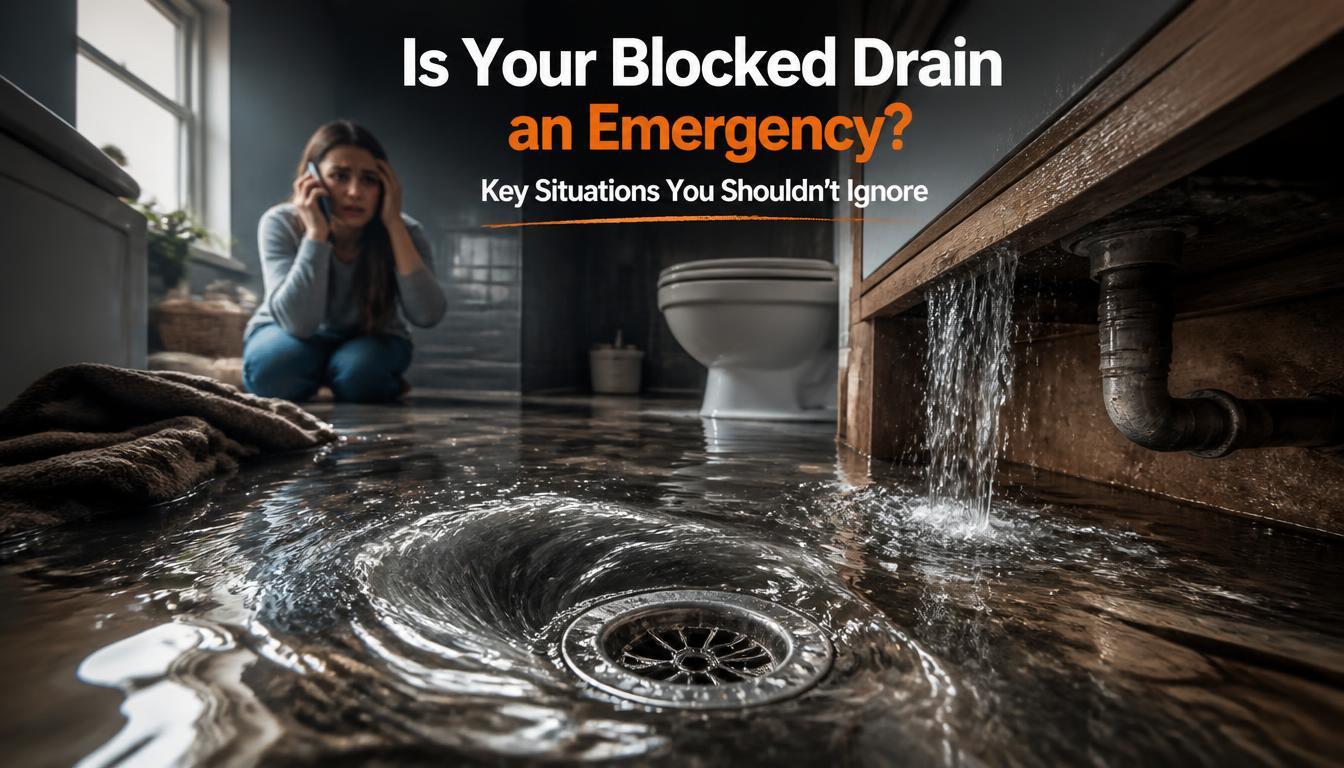
A blocked drain can start as a minor inconvenience, but some blockages can quickly develop into serious plumbing problems. Slow drainage, unpleasant smells and standing water may indicate an obstruction that needs attention. Knowing when to contact an emergency blocked drain plumber can help prevent sewage overflow, water damage and further damage to your drainage system.
When Is a Blocked Drain Considered an Emergency?
A blocked drain is generally an emergency when wastewater cannot drain properly, sewage is backing up, multiple fixtures are affected, or overflowing water is creating an immediate risk to the property. If the blockage is causing flooding, contamination or rapid deterioration, professional help should not be delayed.
The key issue is not simply whether a drain is blocked. It is how severe the blockage is, where it is located and what damage it is causing.
6 Signs You Shouldn’t Ignore
Sewage Is Backing Up
Sewage coming back through a toilet, shower, floor waste or other fixture is one of the clearest warning signs.
A sewage backup can create unpleasant odours and expose occupants to contaminated wastewater. Avoid contact with the water and keep children and pets away from the affected area.
Several Drains Are Blocked at Once
A single slow sink may indicate a localised obstruction. However, if the toilet, shower, laundry and kitchen drains are all draining slowly or backing up, the problem may be further along the main drainage line.
This is a situation where a blocked drain plumber may need to investigate the broader drainage system rather than treating one fixture.
Water Is Overflowing
Overflowing wastewater can cause damage to flooring, walls, cabinetry and other parts of a property.
The risk is particularly concerning when water continues rising despite stopping normal water use. If an overflowing drain cannot be contained safely, professional assistance should be arranged promptly.
There Is a Strong Sewage Smell
A persistent sewage odour can indicate that wastewater is not moving correctly through the drainage system.
An unpleasant smell alone does not always mean an emergency, but when it occurs alongside gurgling pipes, slow drainage or wastewater returning into fixtures, it should be treated more seriously.
Toilets Are Repeatedly Backing Up
A toilet that repeatedly struggles to flush or backs up can indicate more than a simple toilet obstruction.
Repeated problems may point towards a restriction in the connected sanitary drainage system. Continued flushing can make an existing overflow worse.
You Notice Sudden Outdoor Drainage Problems
Not every drainage emergency occurs inside the house. Pooling wastewater, overflowing inspection openings or unusual wet areas around an outdoor drain can indicate a problem with underground pipework.
Tree roots, damaged pipes, ground movement and accumulated debris can all contribute to drainage restrictions.
Blocked Drain or Emergency? A Simple Comparison
|
Situation |
Likely urgency |
Recommended response |
|
One sink draining slowly |
Low to moderate |
Monitor and investigate |
|
Occasional minor gurgling |
Moderate |
Arrange an inspection if persistent |
|
Several fixtures draining slowly |
High |
Contact a plumber promptly |
|
Toilet and shower backing up |
High |
Stop unnecessary water use and seek professional help |
|
Sewage overflowing indoors |
Emergency |
Avoid contact and arrange urgent assistance |
|
Wastewater flooding living areas |
Emergency |
Protect people and property and seek urgent help |
This comparison is a practical guide rather than a formal classification. The appropriate response depends on the location and severity of the blockage.
Why Do Blocked Drains Become Serious So Quickly?
A drainage system is designed to move wastewater away from fixtures through connected pipework. When an obstruction restricts that flow, water can accumulate behind the blockage.
Common causes include:
-
Hair, soap and other bathroom debris
-
Cooking fats, oils and food particles
-
Excess toilet paper or unsuitable items
-
Tree roots entering damaged or older pipes
-
Collapsed or cracked underground pipes
-
Soil or debris entering drainage lines
-
Poorly maintained or damaged pipework
Australian plumbing and drainage systems are covered by the AS/NZS 3500 Plumbing and Drainage series, which includes requirements for sanitary plumbing and drainage. Standards Australia notes that the series is an important technical pathway associated with the Plumbing Code of Australia.
What Should You Do Before Help Arrives?
If a blocked drain appears serious, a few simple precautions can reduce the chance of additional damage.
-
Stop using affected fixtures. Avoid flushing toilets or running taps connected to the problem.
-
Keep people away from contaminated water. Sewage and wastewater should not be handled unnecessarily.
-
Move vulnerable belongings. If water is spreading, move furniture, rugs and electrical items away from the affected area where it is safe to do so.
-
Do not repeatedly use chemical drain cleaners. They may not resolve a significant obstruction and can create additional hazards for anyone working on the pipe.
-
Record what is happening. Note which fixtures are affected, when the problem started and whether wastewater is backing up.
A Blocked Drain Specialist may use equipment such as drain cameras, electric drain machines or high-pressure water jetting, depending on the cause and condition of the pipework.
A Practical Example: When a Small Problem Becomes Urgent
Imagine a homeowner notices that the bathroom basin has been draining slowly for several days. At first, the problem seems minor. Later, the shower begins filling with water while the toilet starts gurgling when flushed.
The change from one slow fixture to multiple affected fixtures is important. It can indicate that the restriction is no longer limited to the basin waste and may involve a shared drainage line.
At that point, continuing to use large amounts of water could increase the chance of wastewater backing up elsewhere.
What About Blocked Drains in Ryde?
Homes in established Sydney areas can have a variety of drainage configurations and pipe conditions. If you are dealing with blocked drains Ryde, the same warning signs apply: sewage backup, multiple affected fixtures, flooding and rapidly worsening drainage problems should not be ignored.
The exact cause cannot be determined from symptoms alone. A qualified drain plumber may need to inspect the drainage line to identify whether the problem is caused by debris, roots, pipe damage or another obstruction.
When Should You Call an Emergency Blocked Drain Plumber?
Consider urgent professional assistance when:
-
Sewage is backing up into the property.
-
Multiple drains have stopped working.
-
Wastewater is overflowing or flooding an area.
-
A toilet repeatedly backs up despite reasonable attempts to resolve the problem.
-
There are signs of a serious underground drainage issue.
-
The blockage is getting worse rapidly.
If only one fixture is draining slowly and there is no overflow or wastewater backup, the situation may be less urgent. However, persistent symptoms still deserve attention because minor blockages can develop into larger restrictions.
FAQ: Common Questions About Emergency Blocked Drains
Is a blocked drain always an emergency?
No. A single slow drain without flooding or wastewater backup is not necessarily an emergency. However, sewage overflow, multiple blocked fixtures or rapidly worsening drainage problems require much more urgent attention.
What is the biggest warning sign of a blocked drain?
Sewage or wastewater backing up into a home is one of the most serious warning signs. Multiple fixtures becoming blocked at the same time are also a strong indication of a larger drainage problem.
Can I fix an emergency blocked drain myself?
Minor surface blockages may sometimes be resolved with basic methods, but serious or recurring blockages are different. Avoid aggressive DIY methods when sewage is backing up or several fixtures are affected, and seek professional assessment.
Why are several drains blocked at the same time?
Multiple affected fixtures can indicate a restriction in a shared drainage line rather than a problem with one individual fixture. The cause may include accumulated debris, tree roots or damaged underground pipework.
How quickly should I call an emergency blocked drain plumber?
If sewage is overflowing, wastewater is entering living areas or the blockage is rapidly worsening, seek professional assistance as soon as possible. For a minor slow drain without overflow, you may have more time to arrange a routine inspection.
Conclusion
Not every blocked drain requires an emergency response, but certain symptoms should never be ignored. Sewage backup, overflowing wastewater, multiple blocked fixtures and rapidly worsening drainage problems can indicate a significant restriction.Knowing these warning signs allows Australian homeowners to respond appropriately rather than waiting until a minor blockage becomes a major plumbing problem. When urgent action is necessary, an emergency blocked drain plumber can assess the drainage system and determine the safest way to restore proper flow.

 Arabic
 French
 Spanish
 Portuguese
 Deutsch
 Turkish
 Dutch
Dutch
 Italiano
 Russian
 Romaian
 Portuguese (Brazil)
 Greek
Greek
