


 About Urh Social
 Terms of Service
 Privacy Policy
 Contact
What Is Finasteride Used For?

Finasteride is a prescription medicine that works by lowering the amount of dihydrotestosterone (DHT) in the body. DHT is a hormone involved in prostate enlargement and male pattern hair loss. Because finasteride affects DHT production, doctors use different strengths for different conditions.
The two commonly prescribed strengths are Finasteride 1 mg and Finasteride 5 mg. Finasteride 1 mg is mainly used for male pattern hair loss, while Finasteride 5 mg is primarily used to treat symptoms associated with an enlarged prostate, also known as benign prostatic hyperplasia (BPH).
What Is Finasteride Used For?
Finasteride is mainly used for two medical purposes:
- Male pattern hair loss (androgenetic alopecia): Finasteride 1 mg can help slow hair loss and support hair regrowth in men with male pattern baldness.
- Benign prostatic hyperplasia (BPH): Finasteride 5 mg is used to reduce an enlarged prostate and improve urinary symptoms caused by BPH.
Although both medicines contain the same active ingredient, the strength and intended use are different. The appropriate dose should be selected by a healthcare professional.
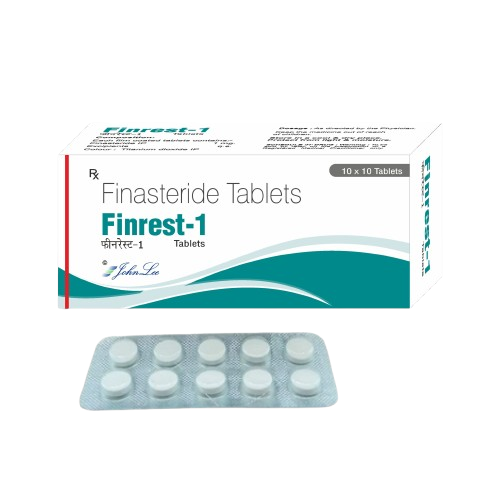
Finasteride 1 mg for Hair Loss
Finasteride 1 mg is commonly prescribed for men with male pattern hair loss. This type of hair loss is strongly influenced by genetics and DHT.
DHT can cause susceptible hair follicles to become smaller over time. This process, known as follicle miniaturization, can gradually produce thinner and shorter hairs.
Finasteride reduces the conversion of testosterone into DHT. By lowering DHT levels, it may help slow the progression of male pattern hair loss and maintain existing hair.
Some men may also experience new hair growth, particularly in areas where hair follicles are still active. However, results vary from person to person, and finasteride is not considered a permanent cure for genetic hair loss.
Finasteride 5 mg for Enlarged Prostate
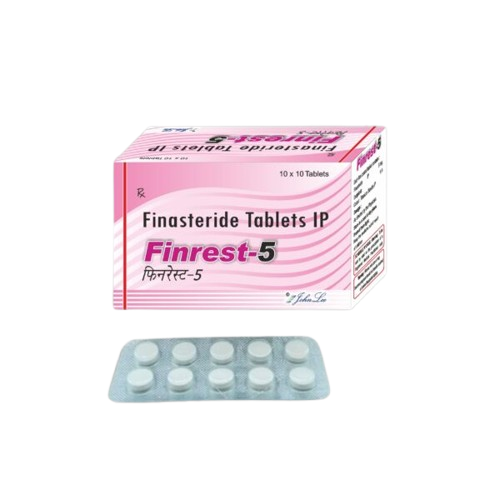
Finasteride 5 mg is primarily used to treat benign prostatic hyperplasia (BPH), a non-cancerous enlargement of the prostate gland.
As the prostate becomes enlarged, it can press against the urethra and make urination difficult. Symptoms may include:
- Difficulty starting urination
- Weak or interrupted urine flow
- Frequent urination
- Increased nighttime urination
- A feeling that the bladder has not completely emptied
- Urgent need to urinate
Finasteride 5 mg lowers DHT within the prostate, which can gradually reduce prostate size and improve urinary symptoms.
Unlike medicines that provide rapid relaxation of the muscles around the prostate, finasteride works gradually. It may take several months before the full benefit becomes noticeable.
How Does Finasteride Work?
Finasteride belongs to a group of medicines called 5-alpha-reductase inhibitors.
The enzyme 5-alpha-reductase converts testosterone into DHT. Finasteride blocks this enzyme, which lowers DHT levels.
This action explains why finasteride can be useful for both hair loss and an enlarged prostate:
Lower DHT → less stimulation of susceptible hair follicles and prostate tissue.
The dose prescribed depends on the condition being treated. Finasteride should not be taken at a higher or lower dose without medical advice.
Finasteride 1 mg vs Finasteride 5 mg
|
Feature |
Finasteride 1 mg |
Finasteride 5 mg |
|
Common use |
Male pattern hair loss |
Enlarged prostate/BPH |
|
Typical patients |
Adult men with androgenetic hair loss |
Adult men with BPH |
|
Main target |
Hair follicles |
Prostate tissue |
|
Main action |
Lowers DHT |
Lowers DHT |
|
Expected benefit |
Helps slow hair loss and may support regrowth |
Helps reduce prostate size and improve urinary symptoms |
Important: These strengths should not be treated as interchangeable. Your doctor should determine which strength is appropriate for your condition.
Who May Benefit From Finasteride?
Finasteride may be prescribed to adult men when a healthcare professional determines that reducing DHT is appropriate.
For hair loss, it is generally used for men with male pattern hair loss rather than hair loss caused by other conditions. A doctor may assess the pattern and cause of hair loss before recommending treatment.
For BPH, a healthcare professional may consider finasteride when an enlarged prostate is contributing to urinary symptoms.
Women and children generally should not use finasteride unless specifically directed by a qualified healthcare professional. Pregnant women should not handle crushed or broken finasteride tablets because exposure to finasteride can pose a risk to a male fetus.
What Are the Possible Side Effects of Finasteride?
Like all medicines, finasteride can cause side effects, although not everyone experiences them.
Possible side effects may include:
- Reduced sexual desire
- Erectile difficulties
- Changes in ejaculation
- Reduced amount of semen
- Breast tenderness or enlargement
- Mood changes in some people
If you experience persistent, severe, or concerning symptoms while taking finasteride, speak with your healthcare professional.
Finasteride can also lower prostate-specific antigen (PSA) levels. If you are taking finasteride 5 mg and have a PSA test, tell your healthcare professional because finasteride may affect how the result is interpreted.
How Long Does Finasteride Take to Work?
Finasteride does not usually produce immediate results.
For male pattern hair loss, noticeable improvement can take several months of consistent treatment. Hair growth cycles are slow, so patience is important.
For BPH, urinary symptoms may also take several months to improve as the prostate gradually becomes smaller.
If finasteride is stopped, the benefits may gradually decrease. For hair loss, newly maintained or regrown hair may be lost over time after treatment is discontinued.
Is Finasteride Safe to Use?
Finasteride has been prescribed for many years, but it is still a prescription medicine that should be used under appropriate medical supervision.
Before starting treatment, tell your doctor about other medicines you take and any relevant medical history. Do not change the prescribed strength or use Finasteride 1 mg or Finasteride 5 mg for a different condition without professional guidance.
It is also important to understand that finasteride is intended for specific medical uses and is not suitable for everyone.
Frequently Asked Questions
What is finasteride mainly used for?
Finasteride is mainly used to treat male pattern hair loss and benign prostatic hyperplasia. Finasteride 1 mg is commonly associated with male pattern hair loss, while Finasteride 5 mg is primarily used for BPH.
What is Finasteride 1 mg used for?
Finasteride 1 mg is primarily used to treat male pattern hair loss in adult men. It lowers DHT and may help slow hair loss while maintaining or improving hair growth.
What is Finasteride 5 mg used for?
Finasteride 5 mg is primarily used to treat benign prostatic hyperplasia, or an enlarged prostate. It can reduce prostate size and help improve urinary symptoms over time.
Can Finasteride 1 mg and 5 mg be used for the same purpose?
They contain the same active ingredient, but the strengths are prescribed for different approved uses. Do not switch between them or change the dose without medical advice.
Does finasteride regrow hair?
Finasteride may help slow male pattern hair loss and can promote some hair regrowth in certain men. Results vary, and continued treatment is generally needed to maintain the benefit.
Does finasteride cure male pattern baldness?
No. Finasteride does not permanently cure genetic hair loss. It can help manage the condition by reducing DHT and slowing the miniaturization of susceptible hair follicles.
Final Takeaway
So, what is finasteride used for? The answer depends on the strength and medical condition being treated. Finasteride 1 mg is mainly used for male pattern hair loss, while Finasteride 5 mg is mainly used for an enlarged prostate (BPH).
Because finasteride is a prescription medicine and can cause side effects or affect PSA test results, it should be used according to a healthcare professional's advice. Understanding the difference between the two strengths can help patients discuss the right treatment option with their doctor.

 Arabic
 French
 Spanish
 Portuguese
 Deutsch
 Turkish
 Dutch
Dutch
 Italiano
 Russian
 Romaian
 Portuguese (Brazil)
 Greek
Greek
