


 About Urh Social
 Terms of Service
 Privacy Policy
 Contact
The Complete Local SEO Guide for Small Business Owners
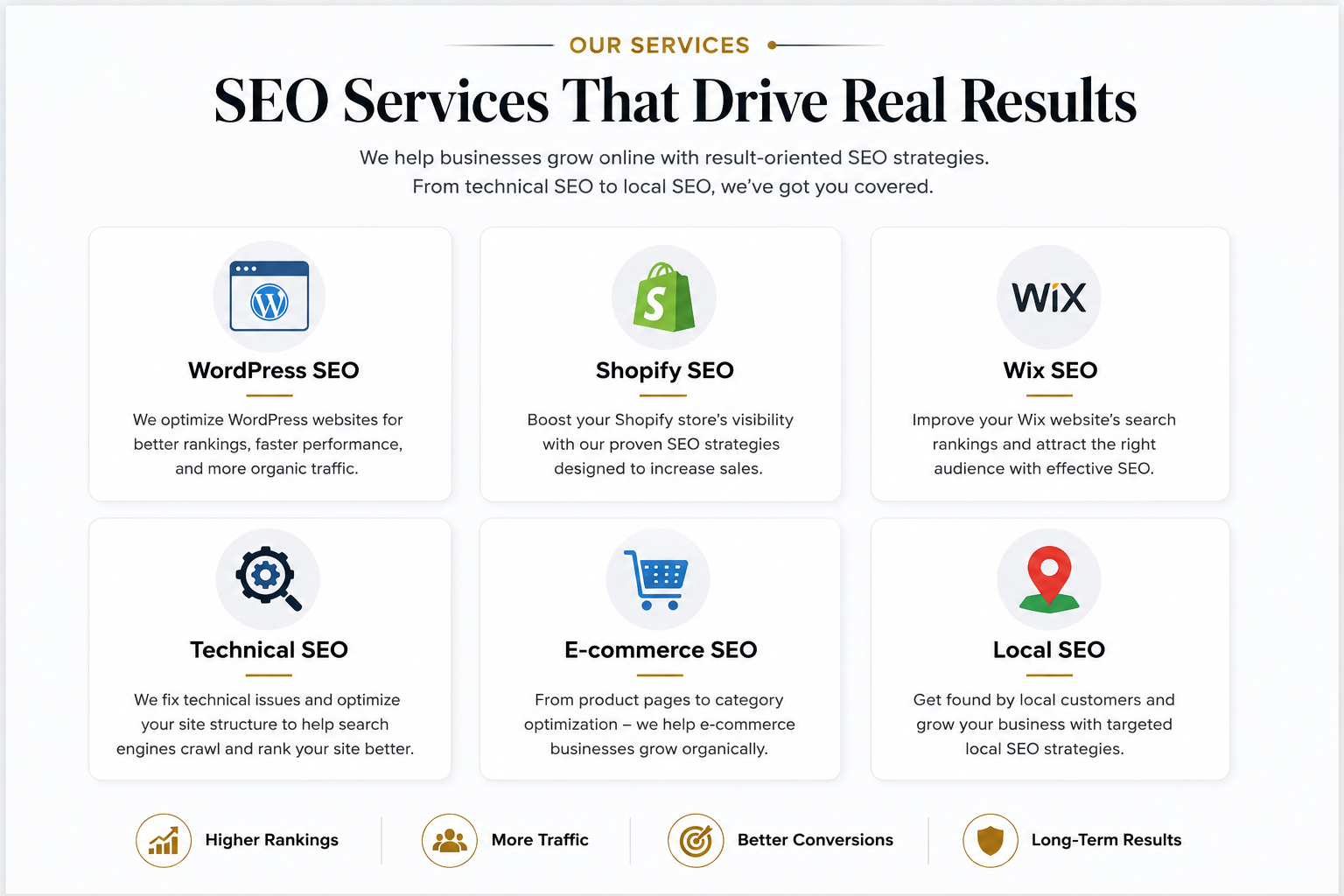
Local customers are increasingly using search engines to find nearby businesses, services, products, and professionals. Whether someone is searching for a plumber, restaurant, dentist, clothing store, or marketing agency, appearing in relevant local search results can bring valuable traffic and enquiries. WordPress local SEO is particularly useful for small businesses because WordPress provides a flexible platform for creating optimized service pages, location pages, blogs, and other content that can support local visibility.
What Is Local SEO?
Local SEO is the process of optimizing a business's online presence so that it can appear more prominently when people search for products or services in a specific geographic area. Unlike traditional SEO, which can target users from anywhere, local SEO focuses on searches that have a geographic or local intent.
For example, searches such as "SEO agency near me," "best restaurant in Lahore," or "marble polishing services in Multan" indicate that the searcher is looking for a business serving a particular location.
A well-planned local SEO WordPress strategy can help businesses improve their visibility in both traditional search results and local search features.
Why Local SEO Matters for Small Businesses
Large companies often have substantial marketing budgets, but local SEO gives smaller businesses an opportunity to compete for highly relevant searches.
When someone searches for a service near their location, they are often closer to making a purchasing decision. A strong local presence can therefore generate qualified visitors rather than simply increasing general website traffic.
Local SEO can help businesses:
-
Increase visibility in local search results
-
Attract nearby customers
-
Generate phone calls and enquiries
-
Improve website traffic
-
Build trust through customer reviews
-
Increase visibility on Google Maps
-
Compete with other businesses in the same area
1. Optimize Your Google Business Profile
One of the first steps in a local SEO campaign is creating and optimizing a Google Business Profile.
Your profile should contain accurate and complete information, including:
-
Business name
-
Primary category
-
Address or service area
-
Phone number
-
Website
-
Business hours
-
Services
-
Photos
Keep the information accurate and update it whenever your business details change.
Adding useful photos and responding to customer reviews can also help create a stronger impression when potential customers discover your business.
2. Optimize Your Website
Your website is an important part of your local search strategy. Search engines need clear information about your business, services, and target locations.
Include your primary service and location naturally in important areas such as:
-
Page titles
-
H1 and H2 headings
-
Meta descriptions
-
Website content
-
Image alt text
-
URLs where appropriate
-
Internal links
Avoid keyword stuffing. Local keywords should be included naturally while the content remains useful and readable.
3. Use Local SEO for WordPress Websites
WordPress websites can be optimized for local search through a combination of technical improvements and quality content. Local SEO for WordPress should include optimizing page structure, headings, metadata, images, internal links, website speed, and mobile usability.
Create dedicated pages for your major services rather than putting everything on one page. If you serve several locations, location-specific pages can also be useful when each page contains unique and genuinely helpful information.
For example, a digital marketing company could have separate pages explaining its SEO services for different cities if it genuinely serves customers in those locations.
4. Target the Right Local Keywords
Keyword research helps you understand what potential customers are actually searching for.
Instead of focusing only on broad terms such as "SEO," a local business might target more specific phrases such as:
-
SEO services in Lahore
-
Local SEO consultant
-
SEO company near me
-
WordPress SEO services
-
Local SEO services for small businesses
Look for keywords that have clear commercial or service-related intent. The goal isn't simply to rank for a large number of keywords but to attract people who are likely to become customers.
5. Create Helpful Local Content
Content marketing can support your local SEO strategy by answering questions your audience has.
For example, a home repair company could publish guides about maintaining properties in its service area. A restaurant could publish information about local food trends, while an SEO agency could explain how small businesses can improve their visibility in local search.
Useful content can attract search traffic, demonstrate expertise, and provide opportunities for internal linking.
6. Build Local Citations
A citation is an online mention of your business, often containing your business name, address, phone number, and website.
Relevant directories and business platforms can help customers discover your business. Make sure your information is accurate and consistent across important platforms.
Focus on quality and relevance rather than submitting your business to hundreds of low-quality directories.
7. Earn Relevant Local Backlinks
Backlinks from reputable websites can strengthen your website's authority. Small businesses can look for legitimate opportunities through local organizations, industry associations, community websites, suppliers, partners, and publications.
For example, participating in a local business event may lead to a legitimate mention from the event organizer's website.
Avoid purchasing large numbers of low-quality backlinks. A smaller number of relevant, trustworthy links can be much more valuable.
8. Get Genuine Customer Reviews
Reviews are important for building trust with potential customers. Before contacting a business, many people look at what previous customers have said about their experience.
Encourage satisfied customers to leave honest reviews. Respond professionally to feedback and use negative reviews as an opportunity to understand and address customer concerns.
Never rely on fake reviews. Genuine customer experiences provide much more value for long-term reputation building.
9. Make Your Website Mobile-Friendly
Local customers frequently search for businesses while using smartphones. If your website is slow, difficult to navigate, or hard to read on a small screen, visitors may leave quickly.
Make sure your website:
-
Loads efficiently
-
Works properly on smartphones
-
Uses readable text
-
Has easy-to-use buttons
-
Displays contact information clearly
-
Provides simple navigation
A good mobile experience can make it easier for a visitor to contact your business after discovering you through search.
10. Use Internal Linking
Internal links connect pages on your own website. They help visitors discover related information and help search engines understand the structure of your website.
For example, a blog post about local SEO could naturally link to your Local SEO service page using descriptive anchor text.
Avoid using the exact same anchor text for every link. Use natural variations that accurately describe the destination page.
11. Track Your Local SEO Results
SEO requires ongoing monitoring. Use tools such as Google Search Console and analytics platforms to understand how your website is performing.
Important metrics include:
-
Organic clicks
-
Search impressions
-
Keyword visibility
-
Website traffic
-
Contact form submissions
-
Phone enquiries
-
Conversions
For businesses using Google Business Profile, monitor relevant interactions such as calls, website visits, and direction requests where available.
Tracking these metrics helps you identify which strategies are working and where improvements are needed.
Common Local SEO Mistakes to Avoid
Small businesses often make several mistakes when starting local SEO.
Common problems include:
-
Using incorrect business information
-
Keyword stuffing
-
Creating duplicate location pages
-
Ignoring mobile optimization
-
Buying low-quality backlinks
-
Creating fake reviews
-
Neglecting customer reviews
-
Publishing thin or unhelpful content
-
Forgetting to update old information
Avoiding these mistakes can help create a healthier and more sustainable local search presence.
Final Thoughts
Local SEO is one of the most useful digital marketing strategies for small businesses that depend on customers from a specific area. By optimizing your Google Business Profile, improving your website, targeting relevant keywords, creating useful content, building reputable local citations and links, and collecting genuine customer reviews, you can build stronger visibility in local search.
For businesses using WordPress, a well-structured website combined with local SEO for WordPress techniques can provide a strong foundation for attracting relevant visitors and turning local searches into real business opportunities.
The most important thing is to think beyond rankings. The ultimate goal of local SEO is to help the right customers discover your business, understand what you offer, trust your brand, and take action.

 English
 Arabic
 French
 Spanish
 Portuguese
 Deutsch
 Turkish
 Dutch
Dutch
 Italiano
 Russian
 Portuguese (Brazil)
 Greek
Greek
