


 About Urh Social
 Terms of Service
 Política de privacidade
 Contact
Choosing The Right Paperboard For Custom Packaging
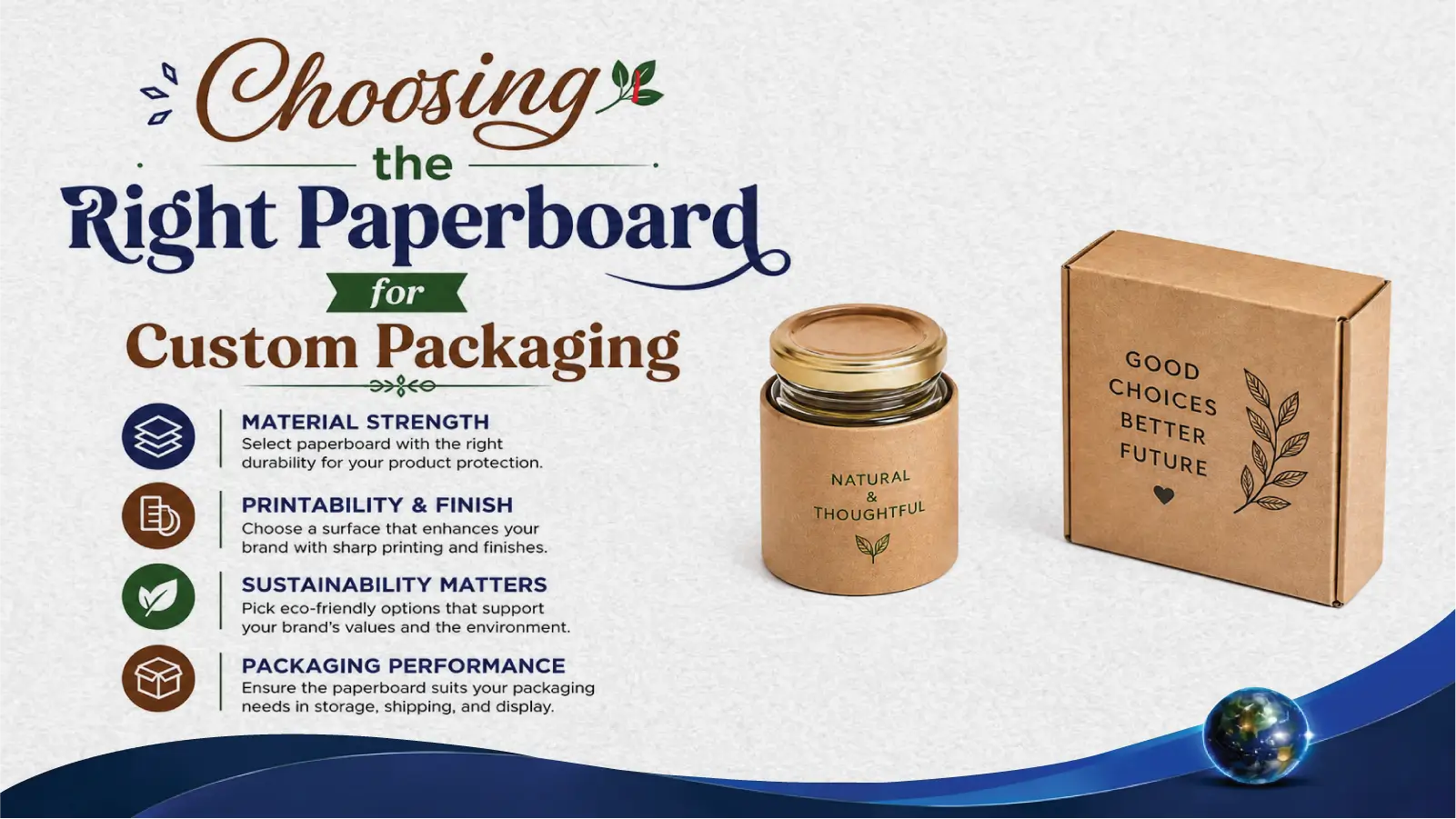
Choosing The Right Paperboard For Custom Packaging
Packaging decisions often come down to one overlooked question: what the box is actually made of? Behind every folding carton, sleeve, or rigid box sits a specific paperboard chosen for a reason, whether that reason is strength, cost, or how the finished piece looks on a shelf. This guide walks through the practical side of that choice, covering thickness, coatings, finishes, printing, and sustainability, so a decision can be made with confidence. By the end, the presentation of the product and the reputation of the brand behind it should both feel a little more secure.
Discover Powerful Paperboard Options First
Custom packaging starts with paperboard, a versatile material trusted by brands across Canada for boxes, cartons, and sleeves. Packaging paperboard comes in many forms, each suited to a different category, from delicate cosmetics to sturdy retail goods. Before any design work begins, it helps to review the available paperboard grades, since each grade brings its own balance of strength, cost, and appearance. Many suppliers also offer custom size and shape options, so a package can be precisely to whatever it is meant to hold rather than forced into a generic box.
Understand Important Material Strength Factors
Strength is measured largely through caliper, the thickness rating that indicates how much weight and pressure a board can handle without buckling. SBS paperboard, short for solid bleached sulfate (SBS), is prized for its bright white surface and consistent performance, making it a common pick for premium cartons. Folding boxboard (FBB) is a lighter, more economical alternative that still holds a crisp fold line. Choosing between these options depends on how much protection the final package actually needs during shipping and shelf display.
Explore Ideal Paperboard Thickness Levels
Getting paperboard thickness right helps avoid two common problems: boxes that crush too easily or boxes that feel unnecessarily bulky and wasteful. Kraft paperboard, known for its earthy brown tone, is often selected when a rustic and natural look is wanted for the presentation of the product. Uncoated kraft paperboard keeps the surface raw and textured, which many food brands appreciate for a homemade feel. For heavier items, corrugated paperboard is chosen for its fluted middle layer, through which a much better chance of shipments arriving intact is achieved.
Compare Protective Coatings And Surface Finishes
Different environments call for different coatings, and this is exactly where coated paperboard proves useful. Moisture resistance becomes essential for anything stored in humid warehouses or refrigerated cases, since damp conditions can quickly weaken uncoated fibres. Grease resistance is another factor worth checking, especially for bakery items and takeout containers where oils tend to seep through thinner stock. Together, these qualities are grouped under barrier properties, a term that describes how well a board keeps moisture, oil, and odour away from whatever sits inside.
Select Suitable Finishes For Presentation Of The Brand
Beyond raw board selection, a finish can completely change how a package feels in someone's hands. Matte lamination is chosen for its soft, velvety touch, a finish many skincare and cosmetic lines lean toward for a calm, upscale feel. Gloss lamination, on the other hand, is picked when light reflection and bold colours are wanted, which suits snack foods and lively retail items. Spot UV is applied to add shine to specific design elements, foil stamping is used for a metallic accent, and embossing and debossing are added for texture that can be felt as well as seen, all working toward a stronger perception of the brand.
Maximize Print Clarity And Colour Accuracy
Sharp graphics depend heavily on printability, meaning how evenly ink is absorbed and held across the board's surface. Surface smoothness plays a direct role here, since a rough or fibrous top layer can scatter ink and blur fine text. Offset printing remains a favourite for long runs needing precise, even colour, while digital printing suits smaller batches and quick turnarounds without sacrificing detail. Screen printing works well for smaller, simpler designs on corrugated stock, and CMYK printing is relied upon across all these methods to keep colour matching consistent from batch to batch.
Consider Sustainable Paperboard Material Solutions
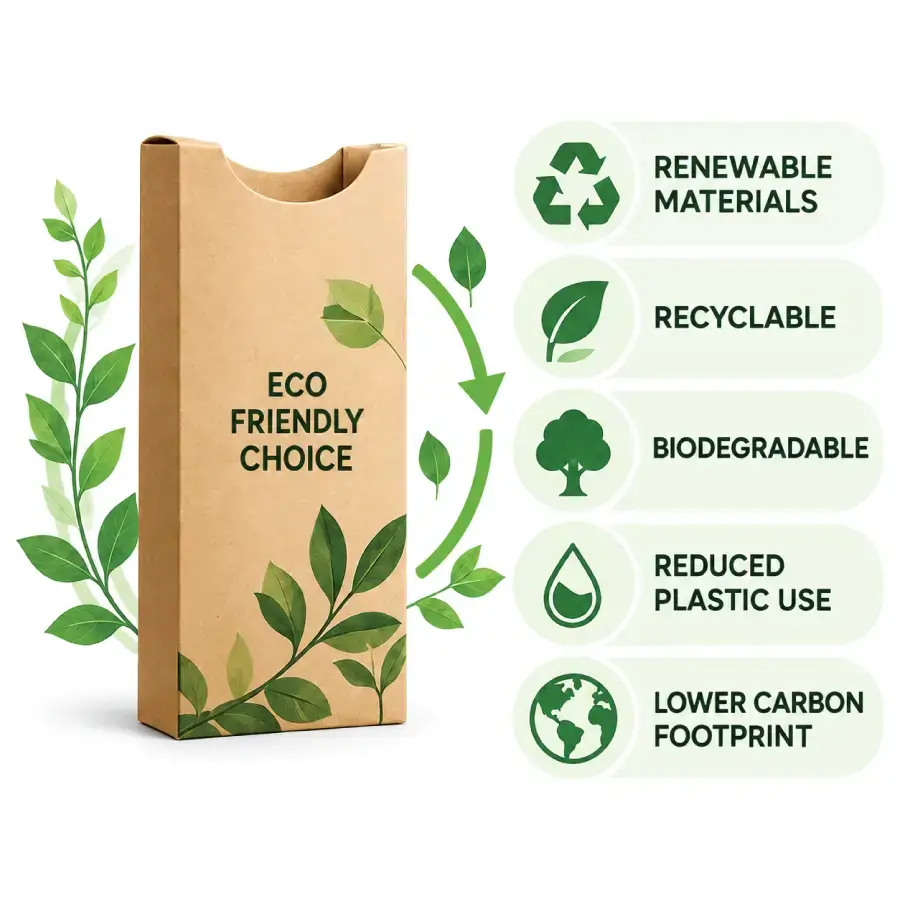
Environmental concerns now shape almost every packaging decision, and recycled paperboard has become a popular starting point for brands wanting a lighter footprint. Recyclability matters too, since a box that cannot easily re-enter the paper recycling stream ends up doing more harm than good. Recyclable packaging is increasingly requested by retailers and consumers alike, pushing many companies toward FSC-certified paperboard as proof of responsible fibre sourcing from well-managed forests. Altogether, these choices form the backbone of sustainable packaging, a goal that keeps gaining importance across nearly every industry in Canada.
"Recycling, packaging, businesses are changing all of those things because that's what consumers want." — Jerry Greenfield
Evaluate Durability For Different Requirements Of The Product
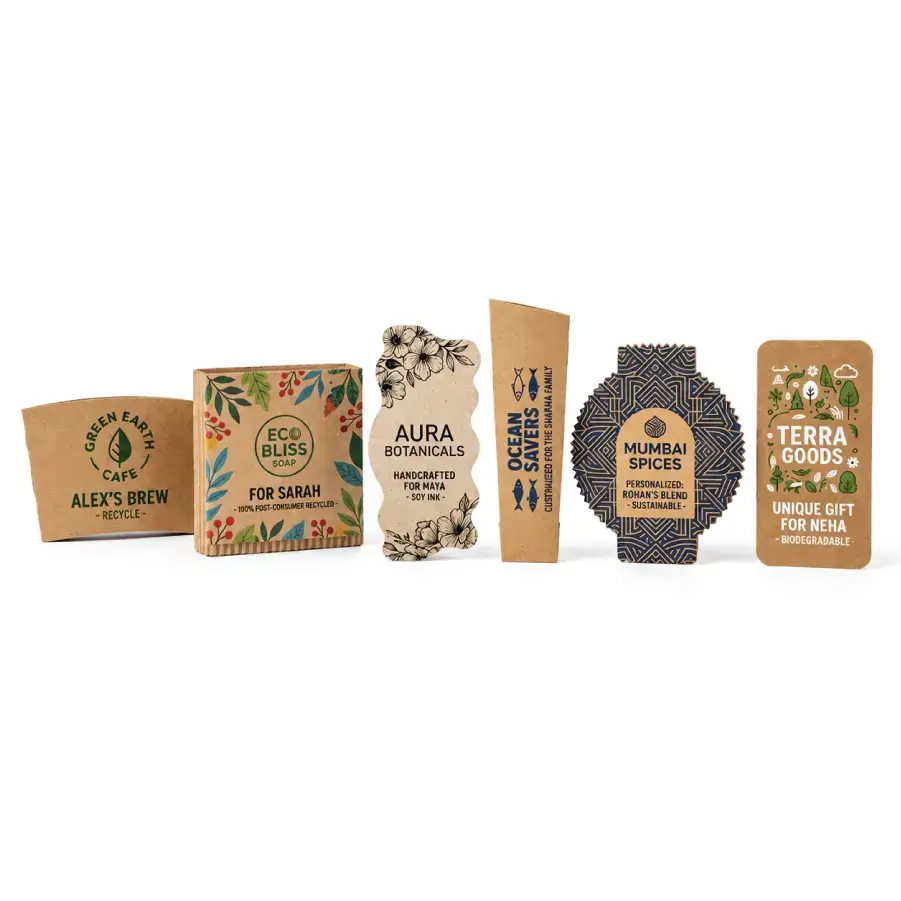
Durability needs shift dramatically depending on what a box will carry. White paperboard is often selected for electronics and premium goods since its clean surface supports crisp, detailed graphics. Rigid packaging is preferred for luxury items that need extra structural support during handling and display. Food-grade paperboard is required wherever direct contact with edible items occurs, and this same standard extends into food packaging more broadly. Pharmaceutical packaging demands tight tolerances for tamper evidence, beverage packaging must resist condensation, and cosmetic packaging is often judged first on how refined it looks on a shelf.
Avoid Common Custom Packaging Sleeve Mistakes
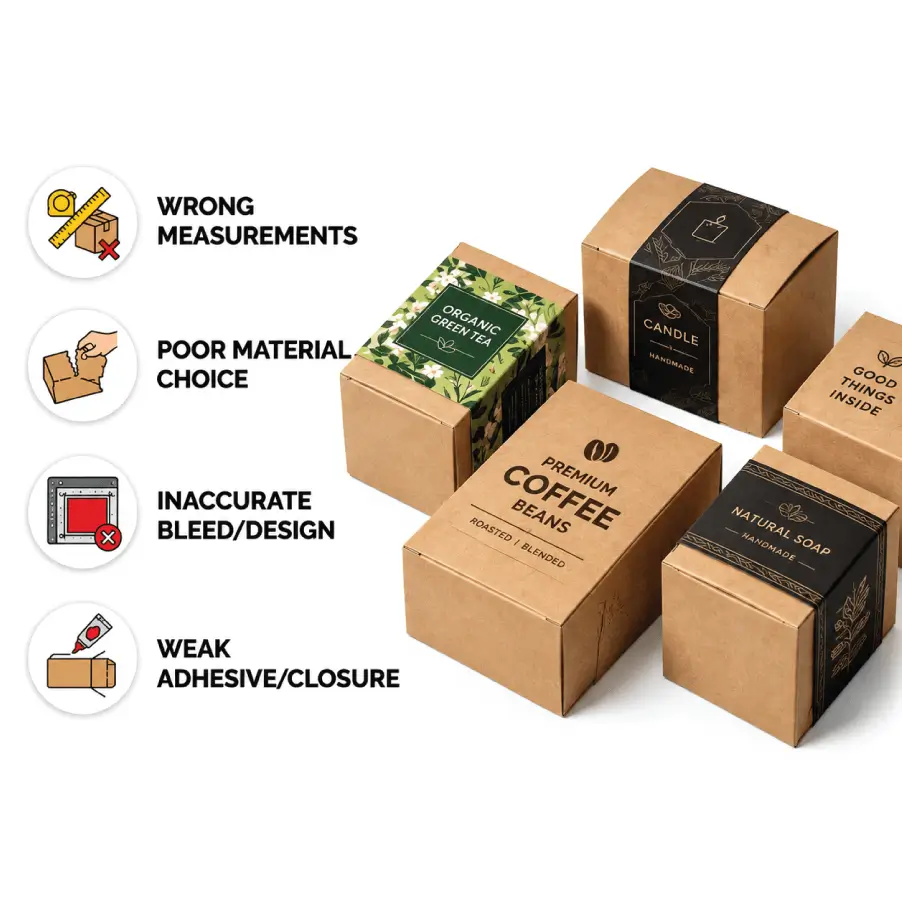
Several mistakes repeat themselves across the packaging industry, and most are avoidable with a little extra planning. Die cutting problems often surface when a board is too thick or too brittle for the chosen shape, leading to cracked edges. For a detailed overview of frequent design issues and practical considerations, read Common Mistakes When Designing Custom Packaging Sleeves to review key points before finalising your sleeve design. Brands operating locally should also stay current with Canadian packaging requirements, including:
-
The Food and Drugs Act (R.S.C., 1985, c. F-27), which governs safety standards for food-contact materials
-
Safe Food for Canadians Regulations (SOR/2018-108), covering labelling and packaging for food products
-
Consumer Packaging and Labelling Act (R.S.C., 1985, c. C-38), setting rules for accurate product information
-
The Canada Consumer Product Safety Act (S.C. 2010, c. 21), addressing hazards tied to consumer packaging
Staying aligned with these standards helps costly redesigns and compliance delays be avoided later on.
Conclusion
Picking the right paperboard is never just a technical checkbox; it shapes how a product is handled, shipped, and remembered. However, packaging depends on strong shelf appeal to catch a shopper's eye within seconds, while e-commerce packaging must survive a much rougher, longer journey through delivery networks before reaching a doorstep. By weighing strength, thickness, finish, and sustainability together, a package is created by Universal Packaging that supports both the presentation of the product and the reputation of the brand for years to come.
FAQs
Where Can You buy Custom Packaging Sleeves?
Custom packaging sleeves can be purchased from Universal Packaging Canada, with custom sizes, colours, materials, printing, and finishing options for different packaging requirements.
How Thick Should Custom Paperboard Be?
Suitable paperboard thickness is determined by the weight of the product, structural requirements, dimensions, handling conditions, printing specifications, and presentation.
Is Recycled Paperboard Suitable for Packaging?
Recycled paperboard is suitable for many applications where recycled content, responsible sourcing, recyclability, and appropriate structural performance are important.
What Paperboard Is Best for Custom Packaging?
The best paperboard is determined by weight, required strength, printing specifications, finish preferences, sustainability goals, and requirements of the packaging.
How Does Paperboard Affect Packaging Sustainability?
Packaging sustainability is influenced through recycled content, responsible sourcing, recyclability, weight, coating selection, production practices, and end-of-life considerations.
Is Paperboard Designed with a Protective Coating?
A protective coating is selected according to moisture exposure, grease resistance, surface durability, appearance requirements, and intended packaging conditions.

 English
 Arabic
 French
 Spanish
 Portuguese
 Deutsch
 Turkish
 Dutch
Dutch
 Italiano
 Russian
 Romaian
 Greek
Greek
