


 About Urh Social
 Terms of Service
 Privacy Policy
 Contact
Professional Signage Services: Creating a Stronger Business Presence
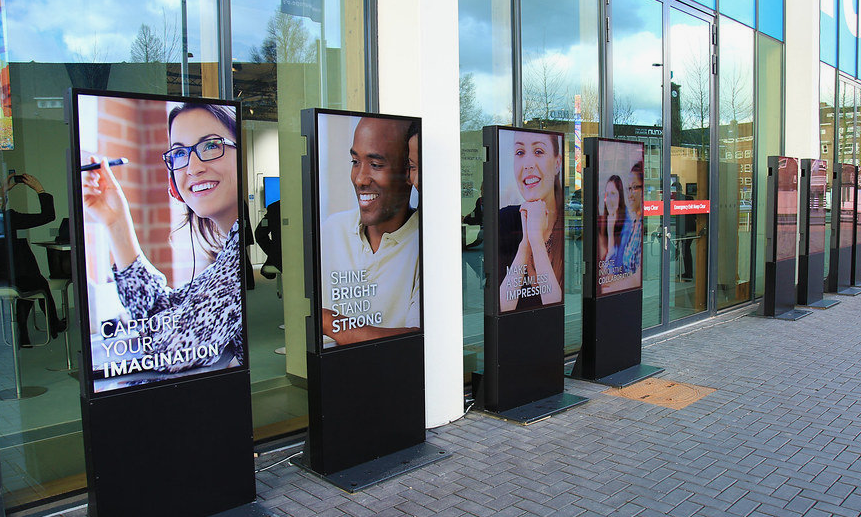
Professional signage plays an important role in helping businesses become visible, recognizable, and easy to navigate. Professional signage services provide businesses with customized solutions for storefronts, offices, retail locations, commercial buildings, and other properties.
From illuminated channel letters and dimensional signs to reception signs and wayfinding systems, professionally designed signage can reinforce a company's brand while helping customers and visitors find the information they need.
What Are Professional Signage Services?
Professional signage services typically cover the planning, design, fabrication, installation, and maintenance of business signs. Working with one experienced provider can simplify the process because the project can be managed from the initial concept through final installation.
Common signage services include:
- Storefront signs
- 3D and dimensional lettering
- Illuminated signs
- LED signage
- Monument signs
- Pylon signs
- Reception and lobby signs
- Directory signs
- Wayfinding signage
- ADA signage
- Wall graphics
- Window graphics
- Vehicle graphics
- Digital displays
Full-service signage companies can coordinate design, fabrication, and installation to create consistent branding throughout a property.
Why Professional Signage Matters
Signage is often one of the first things customers notice when approaching a business. A clear, attractive sign can make a location easier to identify while reinforcing the company's visual identity.
Exterior signs can help businesses stand out from nearby properties, while interior signs can guide visitors through offices, retail spaces, medical facilities, campuses, and other buildings.
Professional signage can also create consistency. Matching colors, typography, logos, materials, and design elements across different signs can make a business appear more established and organized.
Types of Professional Signage
Storefront Signage
Storefront signs provide businesses with prominent exterior identification. Options can include acrylic signs, metal lettering, dimensional letters, illuminated channel letters, and fascia signs.
The appropriate design depends on the building, viewing distance, brand identity, and local signage requirements.
Illuminated Signage
Illuminated signs can increase visibility during evening hours and in lower-light environments. LED technology can be incorporated into channel letters, light boxes, fascia signs, and other applications.
Businesses can choose between different illumination styles depending on the desired appearance, including front-lit and halo-lit effects.
Monument and Pylon Signs
Monument signs are freestanding signs often positioned near entrances to commercial properties. They can identify individual businesses, office complexes, shopping centers, schools, and other developments.
Pylon signs provide greater height and visibility and can be useful for properties containing multiple businesses or tenants.
Interior and Reception Signs
Interior signage helps reinforce branding once customers enter a building. Reception signs, dimensional lettering, office identification signs, and branded wall graphics can create a professional interior environment.
Wayfinding and Directory Signs
Wayfinding systems help visitors navigate unfamiliar properties. Directional signs, directories, maps, and destination markers can make it easier for people to locate offices, departments, parking areas, restrooms, and other destinations.
A well-designed wayfinding system considers where visitors make navigation decisions and places information where it is most useful.
Custom Signage Design
Every business has different branding and property requirements. Custom signage allows the design to be adapted to the building's architecture, available space, brand guidelines, and intended viewing distance.
Professional designers can create concepts and visual mockups before fabrication begins. This gives businesses an opportunity to evaluate proportions, colors, materials, illumination, and placement before committing to production.
Current signage providers describe this design-to-installation workflow as a way to maintain consistency and quality throughout a project.
Choosing Sign Materials
The material used for a sign can affect its appearance, durability, weight, and maintenance requirements. Common materials include aluminum, acrylic, stainless steel, PVC, vinyl, and other purpose-specific substrates.
Outdoor signage generally requires materials and finishes capable of handling weather exposure. Interior signs can provide more flexibility for decorative finishes, textures, and architectural integration.
The right material should be selected based on the sign's location, expected exposure, design requirements, and desired lifespan.
Vehicle and Fleet Graphics
Professional signage services can extend beyond stationary signs. Vehicle graphics allow businesses to use cars, vans, trucks, and fleets as mobile branding opportunities.
Options range from simple logo decals and lettering to partial and full vehicle wraps. Consistent fleet graphics can make company vehicles easier to recognize while reinforcing brand identity wherever they travel.
Sign Installation
Professional installation is an important part of any signage project. Even a well-designed sign can look unprofessional if it is poorly aligned, incorrectly mounted, or improperly illuminated.
Experienced installers can account for mounting surfaces, structural requirements, electrical connections, positioning, and access conditions. They can also coordinate installation across multiple locations when businesses require standardized signage.
Some full-service providers specifically offer installation teams and project management as part of their signage packages.
Signage Maintenance and Repairs
Outdoor signs are exposed to weather, dirt, sunlight, and other environmental conditions. Over time, businesses may need cleaning, lighting repairs, replacement components, or updated graphics.
A signage provider that offers maintenance and after-sales support can help businesses keep their signs functioning and looking professional after installation.
Regular inspections can also help identify loose components, damaged faces, failed LEDs, fading graphics, or other issues before they become more significant.
Benefits of Hiring Professional Signage Specialists
Working with a professional signage company can provide several advantages:
- Customized designs
- Consistent branding
- Professional fabrication
- Proper installation
- Durable materials
- Better visibility
- Coordinated interior and exterior signage
- Ongoing maintenance options
A full-service provider can also simplify project management by coordinating design, production, installation, and service through one company.
Choosing a Professional Signage Company
When comparing professional signage services, businesses should evaluate experience, design capabilities, fabrication quality, installation expertise, materials, communication, and maintenance options.
Before hiring a provider, consider asking:
- Does the company handle design and fabrication?
- Can it provide both interior and exterior signs?
- What materials and lighting options are available?
- Does it provide professional installation?
- Can it create wayfinding and directory systems?
- Does it offer vehicle graphics?
- Are maintenance and repair services available?
- Can it manage signage for multiple locations?
Reviewing previous projects can also help businesses assess the company's design quality and attention to detail.
Planning a Signage Project
A successful signage project begins with a clear understanding of the business's objectives. Consider what each sign needs to accomplish, where it will be viewed, how far away customers will be, and how the signage should reflect the company's brand.
Businesses should also review applicable property restrictions, landlord requirements, local regulations, and permitting requirements before fabrication and installation.
Developing a complete signage plan before production can reduce costly changes and help ensure that individual signs work together as one cohesive system.
Conclusion
Professional signage services can help businesses improve visibility, strengthen brand recognition, and create a more organized customer experience. From storefront and illuminated signs to interior directories, wayfinding systems, vehicle graphics, and custom displays, professional signage can serve both marketing and practical communication purposes.
The strongest signage projects combine thoughtful design, quality materials, precise fabrication, and professional installation. By choosing an experienced signage provider and planning the project around the property's specific requirements, businesses can create signage that remains attractive, functional, and recognizable for years to come.

 Arabic
 French
 Spanish
 Portuguese
 Deutsch
 Turkish
 Dutch
Dutch
 Italiano
 Russian
 Romaian
 Portuguese (Brazil)
 Greek
Greek
