


 About Urh Social
 Terms of Service
 Política de privacidade
 Contact
Turkey Hunting Leafy Suit: Features, Benefits, and Buying Guide
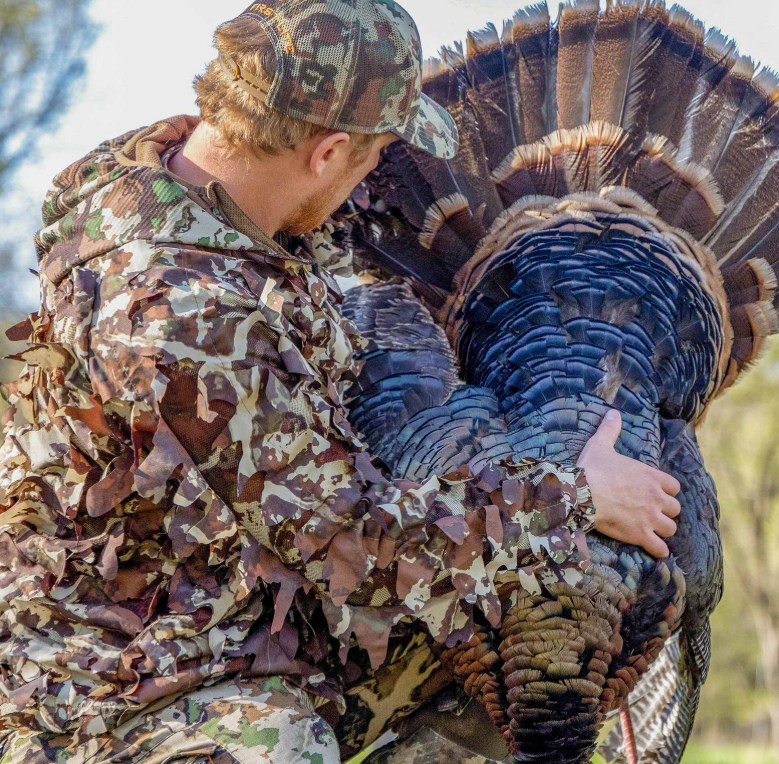
Turkey hunting often involves spending extended periods outdoors while remaining comfortable and visually integrated with the surrounding landscape. A turkey hunting leafy suit is designed with three-dimensional foliage elements that can help break up the wearer's outline and complement natural vegetation. Unlike conventional printed camouflage, leafy designs add texture and depth to an outer layer, making them particularly suitable for environments containing grass, brush, leaves, and woodland cover. For hunters, choosing the right suit can contribute to a practical combination of concealment, mobility, weather protection, and comfort.
The effectiveness of hunting apparel depends on much more than its pattern. Terrain, season, vegetation, lighting, temperature, and the amount of movement required during a hunt all influence clothing selection. A quality leafy suit should be lightweight enough for extended use while providing adequate coverage and durability for outdoor conditions. Features such as breathable fabric, secure closures, quiet materials, a comfortable fit, and appropriate camouflage coloration can make a significant difference when selecting clothing for turkey hunting.
Understanding Leafy Camouflage for Turkey Hunting
Leafy camouflage uses fabric strips, mesh, or foliage-inspired elements attached to an outer garment to create a three-dimensional appearance. This construction can help disrupt the recognizable outline of the wearer and complement irregular natural backgrounds. Turkey hunting environments can vary from dense woodland and brush to open fields and grassy areas, so the most appropriate design depends on the specific terrain. A leafy outer layer may be worn over existing clothing, allowing hunters to adapt their base layers according to changing temperatures. The garment should provide sufficient coverage without creating excessive weight or bulk. Quality attachment points are also important because the foliage elements need to remain secure when moving through natural surroundings. Understanding the structure and intended environment of the suit can help hunters select a design that provides practical outdoor performance.
Why Camouflage Matters During Turkey Hunting
Turkey hunting frequently involves careful observation and controlled movement in natural environments, making visual integration an important consideration when selecting clothing. A camouflage garment can reduce the contrast between the wearer and surrounding vegetation, although its effectiveness varies according to terrain, lighting, distance, and movement. Woodland environments may contain a mixture of leaves, branches, shadows, and earth tones, while fields can feature grasses and lighter vegetation. A leafy design adds physical texture that can complement these irregular backgrounds. Hunters should therefore consider the actual appearance of their hunting areas instead of choosing a camouflage pattern solely because it looks realistic in a catalog or photograph. Clothing should also support comfortable movement and extended outdoor use, since practical performance remains important throughout the hunting experience.
Features of a Turkey Hunting Leafy Suit
A well-designed leafy suit can include several features intended to improve outdoor comfort and functionality. Three-dimensional foliage elements are the defining feature, but material weight, breathability, durability, and fit are equally important. Lightweight construction can reduce fatigue during extended outdoor use, while breathable materials may help manage heat and moisture. Adjustable cuffs, waistbands, and hoods can improve fit and help keep the garment securely positioned. Some designs include integrated face coverings or additional camouflage components for broader visual coverage. Quiet fabric construction can also be valuable for activities where unnecessary fabric noise may be distracting. Hunters should evaluate how these features work together rather than focusing on camouflage appearance alone. A practical suit should provide enough freedom of movement to sit, walk, and reposition comfortably while remaining suitable for the terrain in which it will be used.
Choosing the Right Pattern and Material
The surrounding environment should guide both camouflage pattern and material selection. Early-season vegetation may contain stronger green tones, while later conditions can introduce browns, muted foliage, and leaf litter. A pattern that complements the dominant colors and textures of the hunting location can provide a more natural appearance than a generic design. Material selection is equally important because turkey hunting may involve changing temperatures and varied levels of physical activity. Lightweight fabrics can be useful during warmer conditions, while a roomy outer layer can accommodate warmer clothing underneath when temperatures are lower. Hunters should also consider durability if the suit will be used around branches, brush, or rough ground. A balanced combination of color, three-dimensional texture, fabric performance, and appropriate fit can make the garment more versatile across different outdoor conditions.
Comfort, Mobility, and Fit
Comfort is especially important when hunters may remain outdoors for several hours. A leafy suit should allow natural movement without becoming excessively bulky or restrictive. The fit should provide enough room for underlying clothing while remaining secure during walking, sitting, and other routine movements. Lightweight construction can make the suit easier to carry and wear, while breathable materials may improve comfort during active periods. Adjustable features can help prevent loose fabric from becoming inconvenient during movement. Hunters should also consider the suit's overall dimensions because excessive foliage or material can make navigating dense vegetation more difficult. Reviewing manufacturer sizing information and considering seasonal layering can help users choose an appropriate fit. The best hunting garment is one that supports the activity without distracting the wearer through unnecessary weight, heat, or restricted movement.
Practical Benefits Beyond Turkey Hunting
Although specifically selected for turkey hunting, leafy camouflage clothing can have broader applications for outdoor enthusiasts. Wildlife photographers, birdwatchers, nature observers, and field researchers may appreciate three-dimensional camouflage because it can visually complement natural surroundings. Some lightweight leafy garments can also function as versatile outer layers for outdoor exploration and observation. The suitability of a particular design depends on its weight, coverage, material, and construction. A garment designed for warm-weather use may not provide sufficient insulation for colder conditions, while a heavily constructed suit may be uncomfortable during active summer outings. Understanding the garment's intended purpose helps users determine whether it can serve multiple outdoor activities or should be reserved for specific conditions.
Quality, Durability, and Maintenance
The durability of a leafy suit depends on both material quality and construction. Three-dimensional foliage elements can encounter branches and vegetation, so secure stitching and reliable attachment points are important for maintaining the garment over time. Users should follow the manufacturer's cleaning instructions because aggressive washing methods or excessive heat may damage fabric or attached camouflage elements. After use in damp conditions, the suit should be dried completely before storage to help prevent odors and material deterioration. Regular inspection can identify loose attachments, damaged stitching, worn closures, or other problems before they become more serious. Storing the garment in a clean, dry environment can help preserve its materials and appearance. Proper maintenance is particularly valuable for hunters who expect to use the same suit across multiple seasons.
Future Trends in Hunting Camouflage Clothing
Outdoor apparel continues to develop as manufacturers seek to combine effective environmental styling with lightweight construction, breathability, durability, and improved mobility. Newer leafy camouflage designs can incorporate advanced fabrics and attachment techniques that reduce unnecessary weight while maintaining three-dimensional texture. Manufacturers are also developing patterns for specific environments and seasonal conditions, giving hunters more choices based on local terrain. Improvements in moisture management and fabric durability may further enhance comfort during extended outdoor use. Future hunting garments are likely to focus increasingly on multifunctional construction, allowing users to adapt clothing to changing weather and activity levels. These developments can provide hunters with more practical choices when building an outdoor clothing system.
Conclusion
A turkey hunting leafy suit can provide hunters with a combination of three-dimensional camouflage, comfort, mobility, and practical outdoor coverage. The most suitable design depends on the terrain, vegetation, season, weather, and duration of use. When selecting a turkey hunting leafy suit, hunters should consider camouflage pattern, material weight, breathability, durability, fit, foliage construction, and ease of maintenance rather than focusing on appearance alone. Proper care can help preserve the garment's construction and extend its useful life across multiple outings. By choosing clothing that matches the environment and supports comfortable movement, hunters can build a more practical and adaptable approach to outdoor preparation.

 English
 Arabic
 French
 Spanish
 Portuguese
 Deutsch
 Turkish
 Dutch
Dutch
 Italiano
 Russian
 Romaian
 Greek
Greek
