


 About Urh Social
 Terms of Service
 Privacy Policy
 Contact
Prolactin and Infertility: Can High Prolactin Affect IVF Success?
Introduction
Trying to conceive can bring many questions, especially when a blood test shows that your prolactin level is higher than expected. You may wonder, “Can high prolactin affect my IVF success?” The answer is yes, in some cases, but the situation is usually manageable with proper evaluation and treatment.
Prolactin is a hormone best known for its role in breast milk production. However, it also interacts with other reproductive hormones. When prolactin becomes too high, it can interfere with ovulation, menstrual cycles, and the hormonal environment needed for conception.
For couples undergoing IVF, understanding prolactin levels can therefore be an important part of preparing for treatment.
Learn how high prolactin can affect fertility and IVF success, testing, treatment, and when to consult the best IVF Doctor in Delhi NCR.
Prolactin and Infertility: Can High Prolactin Affect IVF Success?
1. What Is Prolactin?
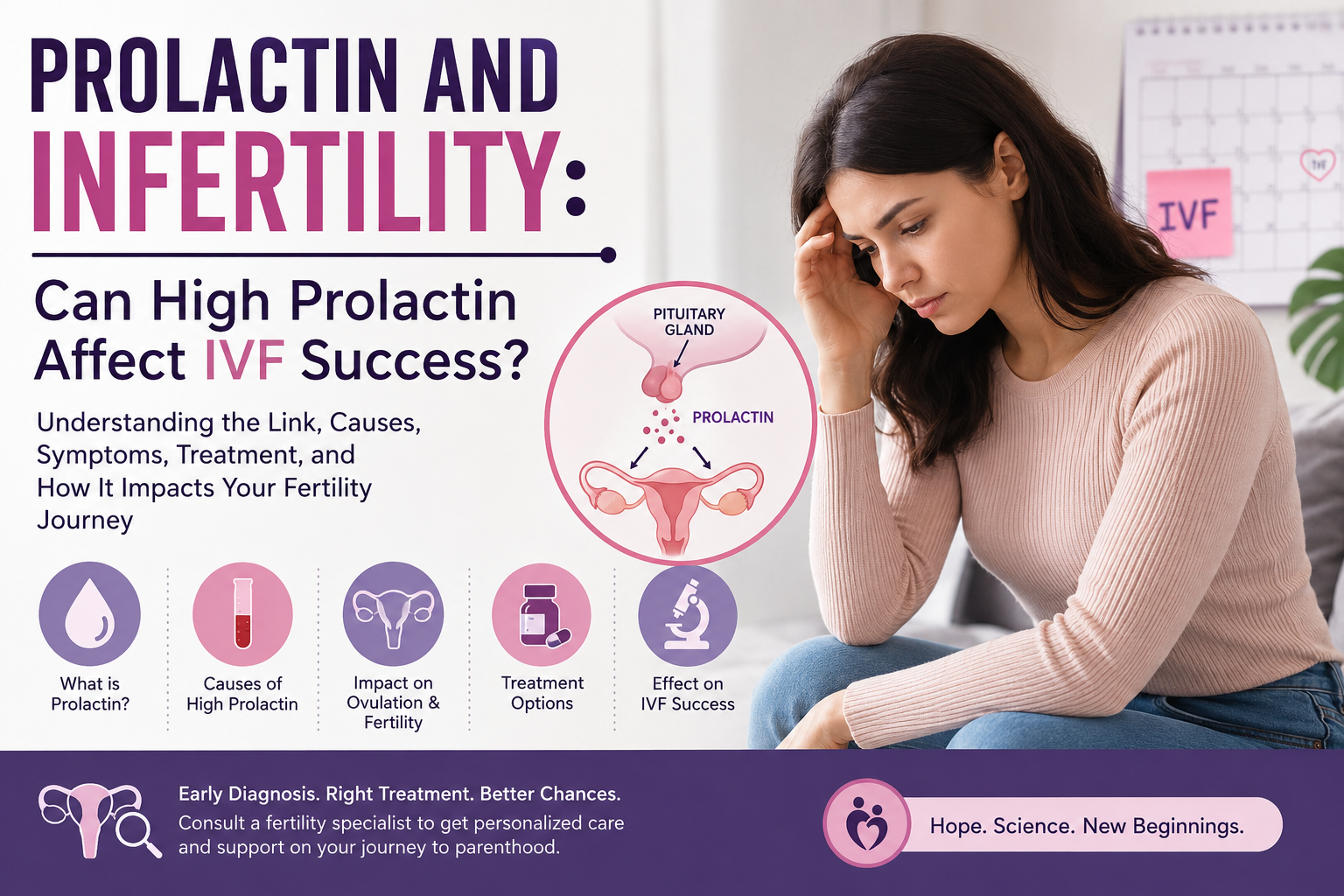
Prolactin is a hormone produced by the pituitary gland, a small gland located at the base of the brain. It plays an important role in breast development and milk production after childbirth.
Although prolactin is best known for supporting lactation, it also communicates with the reproductive system. It helps regulate the hormones involved in ovulation and the menstrual cycle.
Normally, prolactin stays within a certain range. However, its levels naturally increase during pregnancy and breastfeeding.
The concern usually arises when prolactin is elevated in a woman who is neither pregnant nor breastfeeding.
Think of your reproductive hormones as musicians in an orchestra. Each hormone has a specific role, and they need to work together at the right time. When prolactin becomes too high, it can interfere with this hormonal “orchestra,” potentially affecting ovulation and conception.
2. What Is the Normal Level of Prolactin?
There is no single prolactin number that is considered normal for every person. Laboratory reference ranges, pregnancy status, breastfeeding, medications, symptoms, and individual health history can all affect how a prolactin result is interpreted.
For this reason, prolactin results should not be interpreted without discussing them with your doctor.
A fertility specialist may consider:
-
The context of the test
-
Pregnancy or breastfeeding status
-
Other hormone levels
-
Medications and supplements
-
Current symptoms
-
History of infertility
A mildly elevated prolactin level does not necessarily mean that there is a serious problem.
In some cases, prolactin can temporarily increase because of:
-
Stress
-
Lack of sleep or exhaustion
-
Exercise
-
Sexual activity
-
Breast stimulation
-
Anxiety related to having blood drawn
Because these factors can influence prolactin, your doctor may recommend repeating the test before deciding whether treatment is needed.
One abnormal test result does not always tell the complete story.
3. What Causes High Prolactin Levels?
There are several possible reasons why prolactin levels may become elevated. Identifying the underlying cause is an important part of fertility evaluation.
Pregnancy and Breastfeeding
It is completely normal for prolactin levels to increase during pregnancy and while breastfeeding. This rise helps the body prepare for and maintain milk production.
Medications
Certain medications used for mental health conditions, nausea, high blood pressure, and other medical conditions may increase prolactin levels.
If you take any prescription or over-the-counter medication, tell your fertility specialist about it.
Never stop or change a medication on your own. Your doctor can determine whether a medication may be contributing to elevated prolactin and whether an alternative is appropriate.
Thyroid Conditions
An underactive thyroid, also called hypothyroidism, can sometimes cause prolactin levels to rise.
Treating the thyroid condition may help bring prolactin levels back toward the normal range.
Pituitary Conditions
A prolactinoma is a usually benign growth of the pituitary gland that produces excess prolactin.
However, not every woman with high prolactin has a prolactinoma. Persistent or significantly elevated prolactin may require additional testing to identify the cause.
Stress and Temporary Factors
Emotional or physical stress can sometimes cause a temporary increase in prolactin.
This is one reason doctors prefer to consider the overall pattern of prolactin results rather than focusing on a single blood test.
4. Can High Prolactin Lead to Infertility?
Yes, high prolactin can contribute to infertility.
Elevated prolactin can interfere with the hormonal signals responsible for ovulation. As a result, some women may experience irregular periods, missed periods, or infrequent ovulation.
Possible symptoms may include:
-
Irregular or missed periods
-
Difficulty becoming pregnant
-
Unexpected breast milk discharge when not pregnant or breastfeeding
-
Vaginal dryness
-
Reduced sexual desire
-
Persistent headaches
-
Changes in vision in certain pituitary conditions
However, high prolactin is only one possible factor contributing to infertility.
Other factors can affect the ability to conceive, including:
-
Age
-
Egg quality
-
Sperm quality
-
Ovarian reserve
-
PCOS
-
Endometriosis
-
Uterine conditions
-
Fallopian tube problems
-
Other structural abnormalities of the reproductive tract
-
Other hormonal conditions
Therefore, elevated prolactin should be viewed as one piece of a larger fertility puzzle, rather than the only possible explanation for difficulty conceiving.
5. How Does High Prolactin Affect Ovulation?
Normal ovulation depends on carefully coordinated signals between the brain, pituitary gland, and ovaries.
When prolactin becomes too high, it can interfere with some of these signals. One important effect is that the normal stimulation needed for the ovaries to mature and release an egg may be disrupted.
If these hormonal signals are not working properly, an egg may not mature or may not be released from the ovary.
For natural conception to occur, an egg needs to mature and be released at the right time.
Even with assisted reproductive technology (ART), including IVF, ovarian activity and egg development are still influenced by hormones. IVF medications provide greater control over the process, but your fertility team still needs to consider your overall hormonal health.
6. Can High Prolactin Negatively Impact IVF Success?
High prolactin may affect IVF treatment, particularly when levels are significantly elevated or when the elevation is associated with problems with ovulation or other hormonal concerns.
The impact can vary from one woman to another. It depends on:
-
The level of prolactin
-
The reason prolactin is elevated
-
Whether ovulation is affected
-
Other hormone levels
-
Ovarian function
-
Other fertility factors
Potential concerns include:
-
Impaired reproductive hormone signaling
-
Irregular or impaired ovulation
-
Changes in the menstrual cycle
-
Difficulty achieving the appropriate hormonal environment for IVF
-
Potential challenges with ovarian stimulation
However, high prolactin does not mean that IVF cannot be successful.
Many causes of elevated prolactin can be identified and treated. Once the underlying issue has been addressed, fertility treatment can often move forward.
Your fertility specialist may recommend prolactin testing before beginning a stimulated IVF cycle, especially if you have irregular periods or other symptoms suggesting a hormonal imbalance.
The goal is not necessarily to achieve “perfect” blood work. The goal is to make sure your body is appropriately prepared for your individualized treatment plan.
7. How Does Prolactin Affect Egg Quality?
One important point is that high prolactin is not directly associated with poor egg quality.
It is understandable to become concerned about egg quality after discovering an abnormal hormone result. However, high prolactin by itself does not mean that your eggs are of poor quality.
Factors such as age and ovarian reserve are more important when evaluating egg quality.
That said, elevated prolactin can interfere with normal ovarian function and ovulation. Therefore, your fertility specialist may investigate your overall reproductive health rather than immediately assuming that egg quality is the problem.
Depending on your fertility history, your evaluation may include:
-
AMH
-
FSH
-
Estradiol
-
Thyroid testing
-
Pelvic ultrasound
-
Other reproductive hormone tests
-
Additional fertility assessments when needed
Your doctor will use these results together to understand your fertility rather than relying on a single hormone level.
8. How Is High Prolactin Diagnosed?
The first step in evaluating high prolactin is usually a blood test to measure prolactin levels.
If the level is only slightly above the laboratory's normal range, your doctor may recommend repeating the test under appropriate conditions.
You may be asked to have the blood sample taken when you are relaxed. Your doctor may also provide specific instructions before testing.
Your fertility specialist may review:
-
Menstrual history
-
Pregnancy and breastfeeding status
-
Breast symptoms
-
Current medications
-
Other medical conditions
-
Thyroid function
-
Other reproductive hormones
-
Headaches or changes in vision
If prolactin remains significantly elevated, particularly when symptoms suggest a problem involving the pituitary gland, additional testing may be recommended.
Depending on your situation, this may include additional blood tests or an MRI of the pituitary gland.
The most important point is that high prolactin should be evaluated based on repeated findings and your overall clinical picture, rather than one isolated test result.
9. How Is High Prolactin Treated Before IVF?
Treatment depends on why your prolactin is elevated.
If a medication is contributing to the high prolactin level, your doctor may consider whether another medication would be appropriate.
If hypothyroidism is responsible, treating the thyroid condition may help correct the prolactin abnormality.
When a prolactinoma or another pituitary condition is identified, medications may be prescribed to reduce prolactin levels.
Two medicines commonly used in appropriate cases are:
-
Cabergoline
-
Bromocriptine
These medications should only be taken under proper medical supervision.
Once prolactin levels are appropriately managed, your fertility specialist can reassess your reproductive health and decide how best to proceed with fertility treatment.
Do not take prolactin-lowering medication or hormone treatment without medical advice.
10. Can IVF Be Done With Elevated Prolactin?
Whether IVF can proceed with elevated prolactin depends on how high the level is, whether it remains elevated, and what is causing the increase.
If the elevation is mild and temporary, your fertility specialist may recommend repeating the test and reviewing your broader hormonal profile.
If prolactin remains elevated, your doctor may want to identify and treat the underlying cause before starting or continuing an IVF cycle.
This approach can help your fertility team develop the most appropriate treatment plan for you.
In some cases, identifying the cause may be relatively straightforward. In other situations, your fertility specialist may work with an endocrinologist or another specialist.
The important thing is not to panic when you see an elevated prolactin result.
High prolactin is a medical finding that needs evaluation—it is not a prediction that IVF will fail.
11. When Should You Seek Treatment From a Fertility Specialist?
If you are trying to conceive without success, have irregular periods, experience unexplained breast milk discharge, or have already been diagnosed with high prolactin, it may be time to consult a fertility specialist.
You should consider seeking medical evaluation if you experience:
-
Persistent irregular periods
-
No periods for several months
-
Repeatedly elevated prolactin
-
Unexpected breast milk production
-
Headaches with visual changes
-
Previously unexplained fertility problems
When choosing the best IVF Doctor in Delhi NCR, it is important to look beyond online rankings or professional titles.
Consider the doctor's:
-
Experience in fertility treatment
-
Approach to individualized care
-
Understanding of hormonal conditions
-
Communication style
-
Treatment planning
-
Support throughout the IVF process
-
Approach to evaluating both partners
A good fertility specialist will look at the complete picture instead of focusing on just one symptom, test, or hormone level.
12. Tips to Support Hormonal Health During IVF
While you cannot control every factor affecting fertility, healthy daily habits can support your overall well-being during IVF.
Prioritize Sleep
Sleep may not seem directly connected to your fertility treatment, but poor sleep can make it harder to manage the physical and emotional demands of IVF.
Aim for adequate sleep each night and try to maintain a consistent sleep schedule.
Focus on a Balanced Diet
Your daily diet should include a variety of nutritious foods.
Focus on:
-
Vegetables and fruits
-
Whole grains
-
Healthy sources of protein
-
Healthy fats
-
Adequate fluids
Avoid extreme diets unless they have been specifically recommended by your healthcare provider.
Manage Stress
IVF can be emotionally challenging. Spending time with supportive people, practicing relaxation techniques, enjoying hobbies, or simply taking time to rest can help you manage stress.
Remember, you do not have to handle every part of the IVF journey alone.
Take Prescription Medications as Directed
IVF medicines often need to be taken according to a carefully designed schedule.
Do not change the dose or timing of fertility medications without speaking with your fertility team.
Following your clinic's instructions helps your treatment team accurately monitor your response.
Attend Your Appointments
Blood tests and ultrasound scans provide your fertility team with important information about how your body is responding to treatment.
Keeping your appointments allows your doctor to make adjustments when necessary.
Avoid Self-Diagnosis
Online hormone information cannot provide the complete picture of your health.
Your doctor will consider your:
-
Age
-
Symptoms
-
Medical history
-
Menstrual history
-
Hormone levels
-
Ultrasound findings
-
Other fertility tests
Together, these details help your fertility specialist understand what may be affecting your fertility and create an appropriate treatment plan.
Conclusion
High prolactin can affect fertility and may influence IVF treatment when elevated levels interfere with normal reproductive hormone function or ovulation. However, high prolactin does not mean that your IVF journey has to end.
If your prolactin level is elevated, the next step is to determine why it is high and whether treatment is needed. Your fertility specialist can guide you through appropriate testing and help develop an individualized treatment plan.
Many women with hormonal concerns can continue their fertility journey with the right evaluation, treatment, and support.
FAQs
1. Does high prolactin stop women from conceiving?
Yes, elevated prolactin can interfere with ovulation and menstrual cycles, making conception more difficult. However, many causes of high prolactin can be treated, which may help restore normal reproductive function.
2. Does high prolactin negatively affect IVF?
High prolactin may negatively affect IVF when it significantly disrupts reproductive hormones or ovulation. However, an elevated prolactin level does not automatically mean that IVF will be unsuccessful.
3. Should prolactin levels be checked before IVF?
A prolactin test may be recommended when there are symptoms or medical reasons to suspect elevated prolactin. Your fertility specialist will determine which hormone tests are appropriate based on your individual fertility history.
4. Is it possible to treat high prolactin before IVF?
Yes. Treatment depends on the underlying cause. Thyroid problems, certain medications, and pituitary conditions may require different approaches. In appropriate cases, medicines such as cabergoline or bromocriptine may be prescribed by a doctor.
5. Who should I see for high prolactin during IVF?
A fertility specialist can determine whether high prolactin is affecting your IVF plan and whether additional testing or treatment is needed. If a hormonal or pituitary condition is suspected, an endocrinologist may also become part of your care team.

 English
 Arabic
 French
 Portuguese
 Deutsch
 Turkish
 Dutch
Dutch
 Italiano
 Russian
 Romaian
 Portuguese (Brazil)
 Greek
Greek
