


 About Urh Social
 Terms of Service
 Privacy Policy
 Contact
Practical Strategies for Long-Term Tick Prevention
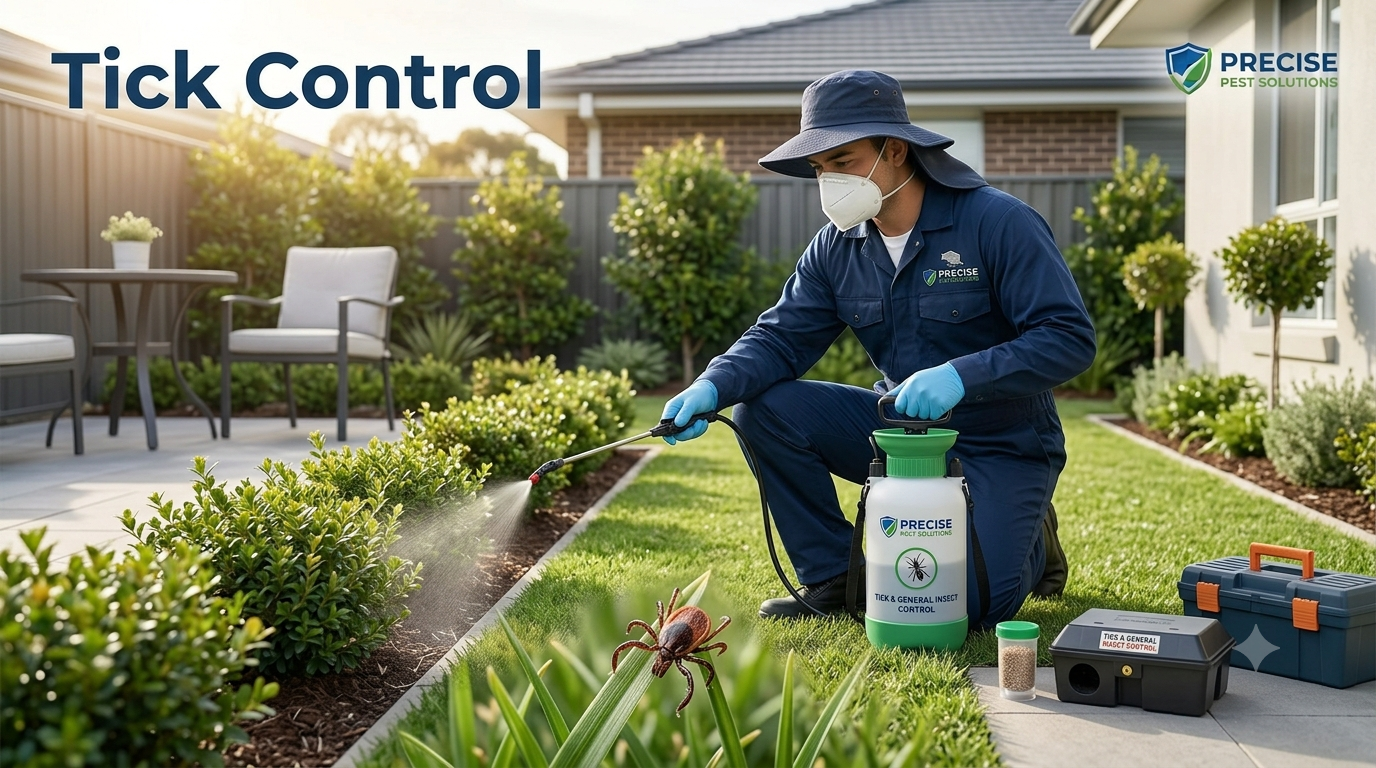
Ticks are small parasites that can become a serious concern around homes, gardens, wooded areas, and properties with frequent outdoor activity. Because ticks can survive in grassy, shaded, and humid environments, preventing them requires more than simply removing visible pests. Effective Tick Control services in Illinois can help property owners identify areas of tick activity and develop targeted prevention strategies. Alongside professional pest management, maintaining your yard, reducing tick habitats, protecting pets, and practicing personal precautions can significantly reduce the risk of tick encounters.
Understanding Tick Infestations
Ticks are external parasites that feed on the blood of humans and animals. They are commonly found in areas with vegetation, leaf litter, tall grass, and moisture.
Ticks do not fly or jump. Instead, they often wait on vegetation and attach themselves to passing people or animals. This behavior makes yards, trails, wooded edges, and overgrown areas potential tick habitats.
Common locations where ticks may be encountered include:
-
Tall grass
-
Leaf piles
-
Dense shrubs
-
Wooded areas
-
Overgrown property edges
-
Areas frequented by wildlife
-
Moist, shaded sections of a yard
Understanding where ticks are likely to live is the first step toward developing an effective tick prevention plan.
Keep Grass Short and Well Maintained
One of the simplest ways to reduce tick-friendly conditions is to maintain your lawn regularly. Tall grass and overgrown vegetation can provide suitable environments for ticks and their hosts.
Mow your lawn consistently and keep grass at an appropriate height. Pay particular attention to areas around patios, walkways, children's play spaces, and outdoor seating areas.
Maintaining a well-groomed lawn does not eliminate ticks completely, but it can reduce favorable habitat around frequently used areas.
Remove Leaf Litter and Yard Debris
Leaf litter, branches, weeds, and other organic debris can create cool, humid environments where ticks may thrive. Regularly removing these materials can help reduce potential tick habitats.
Keep leaves from accumulating around the foundation of your home and clean up piles of grass clippings, fallen branches, and other debris.
If you have a wooded property, create a clear transition between heavily wooded areas and recreational spaces. This can help reduce the movement of ticks from natural habitats into areas where people spend time.
Create a Barrier Around Recreational Areas
A physical separation between lawns and wooded or heavily vegetated areas can be useful for tick management. Consider creating a maintained border using suitable landscaping materials such as gravel or wood chips.
The goal is to reduce direct contact between frequently used areas and tick-friendly vegetation.
Keep playgrounds, patios, decks, and outdoor seating areas away from dense vegetation whenever possible. Regularly inspect these spaces for signs of pest activity.
Control Moisture Around Your Property
Ticks generally prefer environments that provide adequate moisture and protection from extreme temperatures. Excessive moisture can therefore contribute to favorable conditions.
Inspect your property for areas where water collects. Clean gutters regularly, correct drainage problems, and avoid allowing standing water to remain around landscaping.
Proper irrigation practices can also help prevent unnecessarily damp areas. Water plants according to their needs rather than creating consistently wet sections of the yard.
Keep Shrubs and Vegetation Trimmed
Dense shrubs and overgrown vegetation can provide hiding places for ticks and wildlife. Trim bushes and maintain plants so that they do not become excessively dense around frequently used areas.
Avoid allowing vegetation to remain in direct contact with exterior walls when possible. Keeping plants maintained can also improve visibility, making it easier to identify tick activity and other pest problems.
Reduce Wildlife Activity
Wildlife such as deer, rodents, and other animals can contribute to tick populations by serving as hosts. If these animals regularly enter your property, they may introduce ticks into areas where people and pets spend time.
To discourage wildlife:
-
Keep garbage containers securely closed.
-
Avoid leaving pet food outdoors.
-
Clean up fallen fruit.
-
Remove unnecessary food sources.
-
Use appropriate fencing where practical.
-
Keep vegetation maintained.
Wildlife management can be an important part of an integrated tick prevention strategy.
Protect Your Pets
Dogs and cats that spend time outdoors can pick up ticks and bring them inside. Regularly inspect pets after outdoor activities, especially around the ears, neck, legs, and other areas where ticks may attach.
Discuss appropriate tick-prevention products with your veterinarian. Different products are designed for different animals, and some products intended for one species may be unsafe for another.
Wash pet bedding regularly and inspect sleeping areas for signs of ticks. Keeping pets protected can help reduce the possibility of ticks entering the home.
Take Precautions When Spending Time Outdoors
Personal protection is another important part of tick prevention. When hiking, gardening, camping, or working in areas with tall grass or vegetation, consider wearing long sleeves, long pants, and appropriate footwear.
Stay on maintained trails when possible and avoid brushing against tall grass and dense vegetation.
After spending time outdoors, check your clothing and body for ticks. Pay particular attention to areas such as the hairline, behind the ears, waist, underarms, and legs.
Promptly removing an attached tick can help reduce the duration of exposure.
Inspect Outdoor Equipment and Clothing
Ticks can sometimes be transported on clothing, bags, camping equipment, and other outdoor items. After spending time in potentially tick-infested areas, inspect these items before bringing them into the house.
Outdoor gear should be stored appropriately and checked regularly. Clothing should be handled according to appropriate laundering and drying instructions.
Developing a consistent inspection routine is especially useful for people who frequently spend time hiking, gardening, hunting, or working outdoors.
Inspect Your Property Regularly
Regular property inspections can help identify conditions that encourage ticks. Walk around your yard and look for areas with:
-
Tall grass
-
Dense vegetation
-
Leaf accumulation
-
Wildlife activity
-
Excessive moisture
-
Unmaintained borders
-
Overgrown landscaping
Correcting these conditions early can make long-term tick management easier.
Consider Professional Tick Control
DIY prevention can significantly reduce tick-friendly conditions, but persistent activity may require professional assistance. Professional Tick Control services in Illinois can provide property inspections and targeted pest management designed to address areas where ticks are most likely to occur.
A professional approach may involve identifying tick habitats, assessing vegetation and property conditions, applying appropriate treatments where necessary, and recommending long-term preventive measures.
Professional treatment can be particularly useful for properties located near wooded areas, large natural spaces, or locations with recurring wildlife activity.
Follow an Integrated Pest Management Approach
Long-term tick management is most effective when several preventive strategies are combined rather than relying on a single treatment.
An integrated approach may include:
-
Property inspection – Identify areas where ticks and their hosts may be present.
-
Habitat modification – Reduce tall grass, leaf litter, dense vegetation, and excess moisture.
-
Wildlife management – Reduce conditions that attract potential tick hosts.
-
Personal protection – Use appropriate clothing and conduct tick checks.
-
Pet protection – Maintain regular tick-prevention practices recommended by a veterinarian.
-
Professional treatment – Address persistent tick activity with targeted pest management.
Combining these measures can provide more consistent long-term protection.
Maintain Prevention Throughout the Year
Tick activity can vary depending on environmental conditions and seasonal patterns. Rather than waiting until ticks become noticeable, maintain preventive practices throughout the year.
Regular lawn care, landscaping maintenance, wildlife deterrence, and property inspections should become part of your routine.
Before periods of increased outdoor activity, inspect your property carefully and address areas that may provide suitable tick habitat.
When Should You Contact a Professional?
Professional help may be appropriate when ticks continue appearing despite regular yard maintenance or when the property has conditions that make tick management difficult.
Consider contacting a pest management professional if:
-
You frequently find ticks around your yard.
-
Pets repeatedly bring ticks indoors.
-
Your property borders wooded or heavily vegetated areas.
-
Wildlife regularly enters your yard.
-
Tick activity continues despite preventive measures.
-
You need help identifying potential tick habitats.
A professional inspection can help determine the most appropriate approach for your property.
Final Thoughts
Long-term tick prevention requires consistent attention to both the property and personal habits. Maintaining short grass, removing leaf litter, trimming vegetation, controlling moisture, reducing wildlife attractants, and protecting pets can all help make your property less favorable to ticks.
Personal precautions are equally important when spending time outdoors. Inspecting clothing, equipment, pets, and your body after outdoor activities can help identify ticks before they become a bigger concern.
For properties with persistent activity, professional Tick Control services in Illinois can complement these preventive efforts through targeted inspections and treatment strategies. By combining professional pest management with regular property maintenance and responsible outdoor practices, homeowners can significantly reduce tick activity and create safer, more comfortable outdoor spaces.

 English
 Arabic
 French
 Portuguese
 Deutsch
 Turkish
 Dutch
Dutch
 Italiano
 Russian
 Romaian
 Portuguese (Brazil)
 Greek
Greek
