


 About Urh Social
 Terms of Service
 سياسة الخصوصية
 Contact
What Services Does Summit Dog & Cat Hospital Provide for Pets?

When pet owners look for reliable veterinary care, they usually want one thing first: a place that can care for their pet through every stage of life. From a puppy’s first exam to a senior cat’s ongoing health needs, the right veterinary team should offer preventive care, diagnostics, treatment, surgery, dental support, and guidance when urgent concerns arise.
Summit Dog & Cat Hospital provides a wide range of veterinary services for pets in Summit, New Jersey and nearby communities. The hospital offers wellness care, vaccinations, diagnostics, dental care, surgery, grooming, boarding, medical boarding, urgent care support, exotic pet care, and compassionate end-of-life services. For pet owners searching for a trusted cat and dog hospital, the goal is not only to find treatment when something goes wrong, but also to build a long-term relationship with a veterinary team that understands their pet’s health history.
This guide explains the major services available, when each service may be needed, and how pet owners can use veterinary care proactively to support a healthier and more comfortable life for their animals.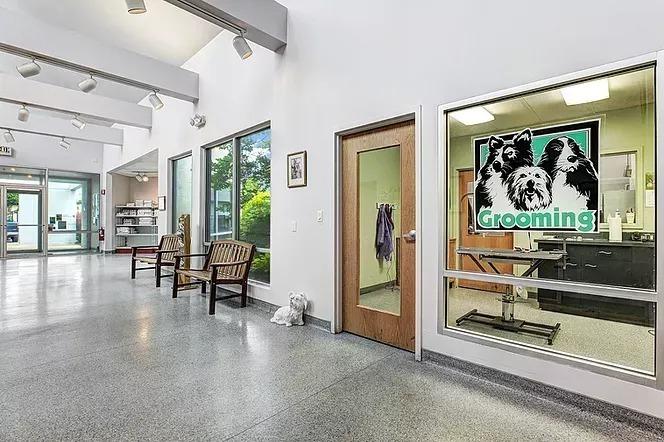
Complete Veterinary Care for Dogs and Cats
A full-service veterinary hospital helps pet owners manage both routine health and unexpected medical problems. At Summit Dog & Cat Hospital, care includes preventive medicine, sick visits, diagnostic testing, treatment planning, surgery, dental care, boarding, grooming, and more.
The hospital’s veterinary services highlights several core areas of care, including dental care, pet boarding, grooming, spaying and neutering, and general veterinary services. For owners who want one place for ongoing pet care, this creates a more convenient and consistent experience.
Veterinary care is most effective when it is not limited to emergencies. Regular visits help veterinarians detect changes in weight, dental health, mobility, skin condition, appetite, behavior, and internal health before they become more serious. This is especially important for senior pets, pets with chronic conditions, and breeds that may be more prone to dental, orthopedic, skin, or respiratory issues.
Main Services Provided by Summit Dog & Cat Hospital
The services offered by Summit Dog & Cat Hospital can be grouped into several practical categories. Each category supports a different part of your pet’s health, from everyday wellness to more advanced treatment needs.
|
Service Category |
What It Includes |
Why It Matters |
|
Preventive care |
Wellness exams, vaccines, parasite prevention, health screenings |
Helps identify problems early and supports long-term health |
|
Diagnostics |
Bloodwork, imaging, ultrasound, lab testing, health evaluations |
Helps veterinarians understand what is happening inside the body |
|
Surgery |
Spay and neuter, soft tissue procedures, orthopedic care, mass removal |
Treats medical problems that cannot be managed through medication alone |
|
Dental care |
Oral exams, professional cleanings, dental treatment planning |
Helps reduce pain, infection, bad breath, and dental disease |
|
Dermatology |
Allergy care, itching, skin infections, ear problems |
Helps pets with chronic discomfort, scratching, licking, or hair loss |
|
Boarding and grooming |
Dog boarding, cat boarding, grooming, medical boarding |
Supports pet care when owners are away or pets need professional hygiene |
|
Urgent care guidance |
Same-day support when available, emergency guidance, referral options |
Helps owners respond quickly when a pet is sick or injured |
|
Exotic pet care |
Routine care for birds, reptiles, rabbits, rodents, and other pets |
Supports species with specialized diet, habitat, and medical needs |
This broad care model is one reason pet owners may search for summit dog and cat when they need a veterinary hospital that can handle multiple needs under one roof.
Preventive Wellness Exams
Preventive wellness exams are one of the most important services a veterinary hospital can provide. A wellness visit gives the veterinarian a chance to evaluate your pet’s overall health, identify early warning signs, and recommend care based on your pet’s age, breed, lifestyle, and medical history.
During a wellness exam, the veterinary team may check your pet’s weight, eyes, ears, mouth, skin, coat, heart, lungs, abdomen, joints, mobility, and behavior. The goal is to look for subtle changes that may not be obvious at home.
For example, a dog that gains weight slowly over time may be developing joint strain, thyroid concerns, or lifestyle-related health risks. A cat that loses weight gradually may have dental disease, kidney disease, thyroid disease, or another internal condition. A wellness exam allows the veterinary team to notice these patterns and recommend the next steps.
Pet owners can learn more about preventive care through the hospital’s comprehensive veterinary care, which explains the value of proactive care and early detection.
Why Wellness Visits Matter
Wellness care is especially useful because many pets hide symptoms. Cats in particular may mask pain or illness until a condition becomes advanced. Dogs may continue playing, eating, or acting normally even when early disease is present.
Routine exams help create a health baseline. Once your veterinarian knows what is normal for your pet, it becomes easier to spot changes later. This is one of the most valuable parts of long-term veterinary care.
Vaccinations and Parasite Prevention
Vaccinations help protect pets from preventable infectious diseases. Depending on your pet’s age, lifestyle, travel habits, boarding needs, and exposure risk, your veterinarian may recommend core and lifestyle-based vaccines.
Dogs may need vaccines for diseases such as rabies, distemper, parvovirus, adenovirus, leptospirosis, Bordetella, and Lyme disease, depending on risk. Cats may need vaccines such as rabies, feline viral rhinotracheitis, calicivirus, panleukopenia, and feline leukemia when appropriate.
Parasite prevention is another key part of veterinary care. Fleas, ticks, heartworms, and intestinal parasites can affect both comfort and long-term health. In some cases, parasites can also create risks for people in the home. Your veterinarian can recommend prevention based on your pet’s species, weight, medical condition, and lifestyle.
For pets that go outdoors, visit parks, attend grooming or boarding facilities, or live with other animals, prevention should be part of the routine care plan.
Sick Visits and Medical Treatment
Not every veterinary visit is planned. Pets may suddenly develop vomiting, diarrhea, coughing, limping, itching, appetite loss, eye redness, ear odor, urinary issues, or behavior changes. Sick visits help determine what is causing the problem and what treatment is needed.
A sick visit may include a physical exam, medical history review, bloodwork, urine testing, fecal testing, imaging, medication, or referral if advanced care is needed. The goal is to identify whether the issue is minor, moderate, urgent, or potentially serious.
Owners should call a veterinarian when symptoms last more than a short period, worsen quickly, or involve pain, weakness, breathing changes, repeated vomiting, blood, collapse, or inability to eat or drink. Prompt evaluation can prevent small issues from becoming larger ones.
Diagnostic Services
Diagnostics help veterinarians move beyond visible symptoms. A pet may look normal on the outside while changes are happening internally. Diagnostic testing gives the medical team a clearer picture of organ function, infection, inflammation, hydration, blood cell levels, and other health markers.
Common diagnostic tools may include bloodwork, urine testing, fecal testing, digital imaging, ultrasound, and other laboratory evaluations. For example, a pet with vomiting may need bloodwork to check liver, kidney, pancreas, or electrolyte values. A pet with urinary accidents may need urine testing to check for infection, crystals, or kidney-related concerns.
Abdominal Ultrasound and Imaging
Abdominal ultrasound can be helpful when a veterinarian needs to examine internal organs such as the liver, spleen, kidneys, bladder, stomach, intestines, pancreas, or reproductive organs. It may be recommended for symptoms such as vomiting, weight loss, abdominal pain, urinary problems, abnormal bloodwork, or suspected internal masses.
Diagnostic imaging does not replace a physical exam, but it can provide information that cannot be seen through observation alone. This makes it an important part of modern veterinary medicine.
Pet Dental Care
Dental health is often overlooked, but it affects much more than breath. Dental disease can cause pain, infection, difficulty chewing, tooth loss, gum inflammation, and bacteria that may affect other parts of the body. Dogs and cats can both develop tartar buildup, gingivitis, fractured teeth, abscesses, and periodontal disease.
The hospital’s dental care information explains that dental services may include professional cleanings, dental exams, and treatment plans for problems such as tartar, gingivitis, or loose teeth.
Signs that your pet may need dental care include:
-
Bad breath
-
Drooling
-
Red or swollen gums
-
Loose teeth
-
Pawing at the mouth
-
Dropping food while eating
-
Chewing on one side
-
Bleeding from the mouth
-
Decreased appetite
-
Facial swelling
Why Professional Dental Care Is Different From Home Care
At-home brushing, dental chews, and oral rinses can support dental health, but they cannot fully treat advanced dental disease. Professional dental evaluation allows the veterinary team to examine the mouth more thoroughly and determine whether cleaning, imaging, extractions, or other treatments are needed.
For many pets, dental care becomes part of a broader wellness plan. This is especially true for small dog breeds, senior pets, and cats with chronic oral inflammation.
Surgery Services
Surgery is an important part of veterinary care when a condition cannot be treated with medication or routine care alone. Summit Dog & Cat Hospital provides surgical services, including spaying, neutering, and other procedures based on the pet’s health needs.
Surgical care may involve pre-surgical evaluation, bloodwork, anesthesia planning, pain management, monitoring, discharge instructions, and follow-up care. These steps help reduce risk and support a smoother recovery.
Pet owners can also review the hospital’s online forms, including surgical information materials that help prepare for surgery day.
Common Reasons Pets May Need Surgery
Pets may need surgery for many reasons, including reproductive health, injury repair, tumor or mass removal, bladder stones, wound care, orthopedic issues, or eyelid problems such as entropion. A veterinarian will usually explain the diagnosis, treatment options, risks, recovery expectations, and home-care instructions before the procedure.
Surgical planning is especially important for older pets or pets with existing medical conditions. Pre-anesthetic testing can help the veterinary team make safer decisions about anesthesia and recovery.
Spaying and Neutering
Spaying and neutering are common surgeries that can help prevent unwanted litters and reduce certain health and behavior risks. For female pets, spaying may reduce the risk of uterine infections and certain reproductive conditions. For male pets, neutering may reduce the risk of testicular disease and some hormone-related behaviors.
The right timing depends on species, breed, size, lifestyle, and overall health. Pet owners should talk with their veterinarian about the best plan for their dog or cat.
A hospital that offers both routine wellness and surgery can guide owners before, during, and after the procedure. This continuity helps the veterinary team understand the pet’s full medical history.
Dermatology and Allergy Care
Skin and ear problems are common reasons pets visit a veterinarian. Dogs and cats may develop itching, licking, scratching, redness, hair loss, scabs, ear odor, ear discharge, or recurring infections. These signs may be linked to allergies, parasites, infections, food sensitivities, hormonal conditions, or environmental triggers.
The hospital’s dermatology discusses skin-related concerns such as allergies, fleas, ticks, rashes, dry skin, and excessive scratching or licking.
Signs Your Pet May Need Dermatology Care
A pet may need veterinary dermatology support if symptoms are persistent, recurring, or uncomfortable. Common signs include:
-
Constant scratching
-
Licking paws
-
Red or inflamed skin
-
Ear infections
-
Hair loss
-
Hot spots
-
Skin odor
-
Flaky skin
-
Bumps or scabs
-
Rubbing the face or body on furniture
Allergy care often requires a step-by-step approach. The veterinarian may check for parasites, infections, diet-related triggers, seasonal allergies, or other medical causes. Treatment may include medication, topical therapy, parasite prevention, diet changes, ear treatment, or long-term allergy management.
Grooming Services
Grooming is not only about appearance. Professional grooming can support skin health, coat comfort, hygiene, and early detection of issues such as mats, skin irritation, lumps, fleas, ticks, ear problems, or overgrown nails.
For cats, grooming may be especially helpful when they develop mats, shed heavily, have long coats, are older, or struggle to groom themselves. Pet owners searching for grooming through a summit pet hospital may be looking for a place that understands both comfort and medical safety.
The hospital’s services include grooming, which can be useful for pets that need more than a basic bath or trim. Veterinary-supervised grooming can be especially valuable for senior pets, anxious pets, pets with skin problems, or animals with medical needs that require extra care during handling.
Boarding and Medical Boarding
Boarding gives pets a safe place to stay when owners travel or cannot care for them temporarily. At a veterinary hospital, boarding may offer an added layer of reassurance because trained staff are familiar with animal health, medication needs, and warning signs.
The hospital’s boarding explains boarding options for pets, including the value of care in a veterinary setting. This can be helpful for pets that need medication, monitoring, or a more structured environment.
Medical boarding is especially useful for pets with conditions such as diabetes, seizure history, chronic medication needs, mobility concerns, or recovery from illness. Instead of relying on a standard boarding facility, owners may prefer a veterinary environment where staff can better respond to health changes.
|
Pet Situation |
Why Veterinary Boarding May Help |
|
Pet takes daily medication |
Staff can follow medication instructions and monitor behavior |
|
Senior pet needs extra support |
Older pets may need gentler handling and closer observation |
|
Cat or dog has diabetes |
Feeding schedules and medication timing may be important |
|
Pet has a seizure history |
Staff can watch for warning signs and respond appropriately |
|
Pet recently had surgery |
Medical boarding may support safer rest and monitoring |
|
Pet becomes stressed easily |
A structured setting may reduce uncertainty for the owner |
For many families, boarding at a veterinary hospital provides peace of mind because pet care and medical awareness are available in one place.
Urgent Care and Emergency Guidance
Some pet symptoms need quick attention. While not every concern is a life-threatening emergency, sudden changes should be taken seriously. The hospital provides urgent and select emergency care support for pets in Summit, NJ and nearby communities when appropriate.
Their emergency and urgent care FAQ explains that pet owners should contact the hospital when a dog or cat needs prompt attention. For after-hours or life-threatening emergencies, the hospital may guide owners toward emergency facilities.
When to Call a Veterinarian Quickly
Pet owners should contact a veterinarian promptly if they notice:
-
Difficulty breathing
-
Repeated vomiting or diarrhea
-
Collapse or extreme weakness
-
Inability to urinate
-
Severe limping or pain
-
Eye injury
-
Seizures
-
Suspected poisoning
-
Deep wounds or bleeding
-
Sudden swelling
-
Refusal to eat or drink
-
Bloated abdomen
-
Pale gums
-
Heatstroke symptoms
Fast communication matters. Even when a pet does not need emergency hospitalization, early guidance can help owners decide whether the pet needs a same-day visit, monitoring at home, or referral to an emergency hospital.
Exotic Pet Care
Although the name focuses on dogs and cats, the hospital also discusses routine care for exotic animals. This may include rabbits, reptiles, birds, rodents, and other non-traditional pets. Exotic pets often need specialized care because their diets, enclosures, temperatures, behavior, and symptoms can be very different from dogs and cats.
The hospital’s routine medical care for exotic animals explains the importance of proper diet, habitat, bedding, temperature control, and routine medical support for exotic pets.
Exotic animals may hide illness even more than dogs and cats. A bird that sits quietly, a rabbit that stops eating, or a reptile with poor appetite may already be dealing with a serious issue. Routine exams can help identify health concerns early and allow owners to ask questions about enclosure setup, lighting, diet, hydration, and behavior.
End-of-Life and Quality-of-Life Support
One of the most sensitive parts of veterinary care is helping families understand quality of life. Pets with chronic pain, advanced illness, severe mobility problems, appetite loss, or ongoing decline may need compassionate guidance.
The hospital’s euthanasia information discusses support for pet owners making difficult decisions. This kind of care requires patience, empathy, and honest communication. A veterinary team can help owners understand whether treatment, comfort care, hospice-style support, or euthanasia may be appropriate.
Quality-of-life discussions are never easy, but they can help prevent unnecessary suffering and give families a clearer path during an emotional time.
Why a Full-Service Veterinary Hospital Matters
A full-service veterinary hospital gives pet owners continuity. Instead of visiting one place for vaccines, another for surgery, another for boarding, and another for dental care, owners can often keep more of their pet’s care connected through one medical team.
This matters because pets cannot explain their symptoms. A veterinarian who knows the pet’s health history may notice changes sooner. The team may already understand previous bloodwork, past dental issues, behavior changes, medication reactions, surgical history, or chronic conditions.
For owners looking for a cat and dog hospital, the best choice is often one that provides both preventive care and problem-focused treatment. This allows the veterinary team to support the pet through routine checkups, illness, aging, procedures, and recovery.
How to Know Which Service Your Pet Needs
Pet owners are not expected to diagnose their animals at home. However, knowing which type of service may be needed can help you act sooner.
|
If Your Pet Has This Need |
Service to Ask About |
|
Annual checkup, vaccines, or health screening |
Wellness exam |
|
Bad breath, chewing pain, or loose teeth |
Dental care |
|
Itching, licking, hair loss, or ear odor |
Dermatology or allergy care |
|
Vomiting, diarrhea, coughing, or appetite loss |
Sick visit |
|
Limping, swelling, injury, or pain |
Medical exam or diagnostic imaging |
|
Surgery recommendation from a veterinarian |
Surgical consultation |
|
Travel plans or temporary care needs |
Boarding |
|
Medication needs during owner travel |
Medical boarding |
|
Matted coat, hygiene issues, or nail concerns |
Grooming |
|
Rabbit, reptile, bird, or rodent health concern |
Exotic pet care |
|
Chronic pain or declining quality of life |
Quality-of-life consultation |
When in doubt, calling the veterinary office is the safest first step. The team can help decide whether your pet should be seen immediately, scheduled for a regular visit, or referred for emergency care.
Local Care for Summit, NJ Pet Owners
Local access is important when pets need care. A nearby hospital can make routine visits easier and urgent situations less stressful. Summit Dog & Cat Hospital serves pet owners in Summit, NJ and nearby communities, making it a practical option for families who want consistent veterinary support close to home.
For pet owners searching online for summit dog and cat hospital, the service range matters because it shows that the hospital can support many common pet health needs. From wellness exams and dental care to surgery, grooming, boarding, and urgent care guidance, the hospital provides a wide foundation of care for dogs, cats, and some exotic pets.
Owners can visit the hospital’s appointment request to request a visit or use the contact to find location and phone details.
How These Services Support Different Life Stages
Veterinary care changes as pets age. A puppy or kitten may need vaccines, parasite prevention, spaying or neutering, nutrition guidance, and early behavior advice. An adult pet may need routine wellness care, dental cleanings, weight management, allergy support, or treatment for injuries and infections. A senior pet may need more frequent monitoring, bloodwork, pain management, dental evaluation, mobility support, or quality-of-life guidance.
This life-stage approach is one of the main benefits of choosing a complete veterinary provider. The same team can help adjust care as your pet’s needs change.
Puppies and Kittens
Young pets need a strong start. Veterinary care often includes physical exams, vaccines, parasite testing, deworming, nutrition advice, microchipping, and spay or neuter planning. Early visits also help pets become more comfortable with the veterinary environment.
Adult Dogs and Cats
Adult pets benefit from annual exams, dental care, weight checks, parasite prevention, and early detection screening. Even when pets seem healthy, small changes can point to developing issues.
Senior Pets
Senior pets may need more frequent visits because age-related problems can develop gradually. Arthritis, dental disease, kidney disease, thyroid disease, diabetes, heart disease, and cancer are more common in older animals. Regular veterinary care can help manage these issues earlier and improve comfort.
What Pet Owners Should Expect From a Veterinary Visit
A good veterinary visit should feel organized and informative. The team may ask about appetite, water intake, bathroom habits, activity level, behavior, coughing, vomiting, stool quality, medications, diet, and any recent changes at home.
The veterinarian will examine the pet and discuss findings. If needed, they may recommend diagnostic tests, medication, follow-up care, dental evaluation, grooming, imaging, or a surgical consultation. Owners should feel comfortable asking questions about treatment options, recovery, prevention, and cost expectations.
For many pet owners, a trusted summit pet hospital is not just a place to go when a pet is sick. It is a long-term health partner that helps prevent problems, treat illness, and guide important decisions throughout the pet’s life.
Final Thoughts
Summit Dog & Cat Hospital provides a broad range of services for pets, including wellness exams, vaccinations, diagnostics, dental care, surgery, dermatology, grooming, boarding, medical boarding, urgent care guidance, exotic pet care, and end-of-life support. This makes the hospital a practical choice for owners who want comprehensive care from a local veterinary team.
For dogs and cats, regular veterinary care can help prevent disease, detect problems early, treat discomfort, and support a better quality of life. For exotic pets, routine medical guidance can help owners manage diet, habitat, temperature, behavior, and species-specific health needs.
Whether your pet needs a routine exam, dental evaluation, surgery consultation, grooming appointment, boarding stay, or medical assessment, a full-service veterinary hospital can provide the structure and support needed to care for your pet with confidence.
FAQs
Q: What services does summit dog and cat hospital provide?
A: summit dog and cat hospital provides wellness care, vaccinations, dental care, diagnostics, surgery, grooming, boarding, medical boarding, urgent care guidance, and exotic pet care. Services may vary by pet need, so owners should contact the hospital for appointment guidance.
Q: Is Summit Dog & Cat Hospital only for dogs and cats?
A: No. While the hospital mainly focuses on dogs and cats, it also provides information about routine medical care for exotic pets, including rabbits, reptiles, birds, and rodents. Exotic pet owners should call first to confirm care availability.
Q: Does Summit Dog & Cat Hospital offer pet dental care?
A: Yes. The hospital offers dental care services such as oral exams, professional cleanings, and treatment planning for concerns like tartar, gingivitis, loose teeth, and bad breath. Dental care helps protect comfort, eating ability, and long-term health.
Q: Can I board my pet at Summit Dog & Cat Hospital?
A: Yes. The hospital offers pet boarding and medical boarding options. Medical boarding may be helpful for pets that need medication, monitoring, or extra support due to age, chronic illness, surgery recovery, or special health needs.
Q: Why choose a local cat and dog hospital for ongoing care?
A: A local cat and dog hospital can keep your pet’s medical history in one place, making it easier to track health changes over time. Consistent care supports early diagnosis, preventive planning, and better communication during illness or emergencies.

 English
 French
 Spanish
 Portuguese
 Deutsch
 Turkish
 Dutch
Dutch
 Italiano
 Russian
 Romaian
 Portuguese (Brazil)
 Greek
Greek
