


 About Urh Social
 Terms of Service
 Datenschutzbestimmungen
 Contact
How to Select Tuck Boxes That Balance Protection, Presentation, and Practicality
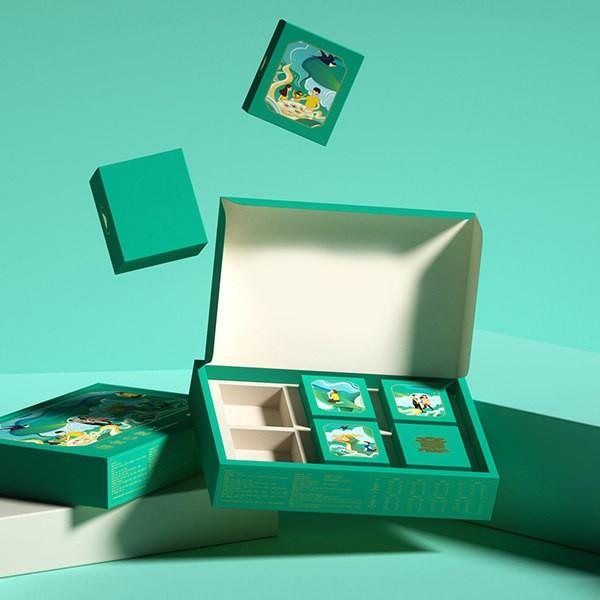
Selecting the ideal packaging for your retail product line is one of the most critical operational decisions your business will make. Packaging is no longer just a passive container meant to get an item from point A to point B. It is an active sales tool, an essential brand ambassador, and your product’s primary line of defense against transit damage.
However, landing on the right packaging solution requires navigating a constant balancing act. Among all retail paperboard formats, Tuck Boxes remain the undisputed industry standard across cosmetics, pharmaceuticals, food items, consumer electronics, and subscription products. These versatile paperboard cartons ship flat to conserve warehouse space and feature integrated flaps that tuck neatly into the top or bottom of the box to create a clean, secure closure.
To help you get the maximum return on your packaging investment, this comprehensive guide breaks down how to select custom boxes that hit the exact sweet spot between structural protection, retail presentation, and everyday operational practicality.
1. Prioritizing Protection: Engineering Structural Strength and Security
Protection is the fundamental job of any packaging unit. A crushed corner, a torn top flap, or a broken bottom seal ruins the customer experience long before they ever get a chance to evaluate the quality of your product. Choosing the right structural foundation ensures your merchandise arrives at its final retail destination in pristine condition.
Choosing the Right Paperboard Caliper (Thickness)
Paperboard thickness is measured in points (pt), where one point equals one-thousandth of an inch (0.001"). Selecting the appropriate paperboard weight depends heavily on your product's physical mass and fragility:
-
14pt to 16 pt Paperboard: Ideal for lightweight, non-fragile merchandise such as lip balms, small sheet masks, playing cards, individual blister packs, or small tea boxes.
-
18pt to 20 pt Paperboard: The versatile sweet spot for standard retail products, including serum bottles, small cream jars, supplement bottles, and light consumer electronics.
-
22pt to 24pt+ Paperboard: Essential for heavier items like glass dropper bottles, candle containers, or multi-piece retail kits that require high side-wall rigidity to resist crushing under stack weight.
Matching Closure Styles to Product Mass
The bottom closure of your carton bears the entire weight of the contents inside. Choosing the wrong closure format can lead to bottom-out failures during handling:
-
Friction Tuck End: Standard top and bottom flaps that rely on friction to stay closed. They are fast to fold and highly economical, making them perfect for lightweight goods.
-
Snap-Lock (1-2-3 Bottom): Features four interlocking bottom flaps that assemble manually in three quick steps. This format provides enhanced structural support for medium-weight products.
-
Auto-Bottom (Crash-Lock): Features pre-glued bottom panels that expand and lock into place instantly when the flat box is squeezed. This structure provides the maximum weight-bearing capacity for heavy glass or liquid containers.
2. Improving Appearance: Visually Marketing, Finishes, and Printing
Once your structural protection is secured, your packaging must perform its second main duty: driving retail sales. When shoppers walk down a store aisle, your Tuck Boxes have roughly three seconds to capture their visual attention and communicate your brand value.
High-Fidelity Color Printing
Clean artwork and vivid graphics build instant consumer trust. Choosing between printing methods depends on your production scale:
-
Offset Lithography: The golden standard for large-volume packaging runs. Offset printing delivers ultra-crisp image resolution, smooth gradients, and exact color consistency across tens of thousands of units using precise Pantone Matching System (PMS) spot colors.
-
Digital Printing: Eliminates traditional metal plate setup fees, making it the most cost-effective choice for short print runs, limited-edition product releases, or rapid prototyping.
Protective Coatings and Tactile Enhancements
Adding specialty surface treatments turns standard cardstock into an engaging unboxing experience. Finishes also shield your underlying print artwork from shipping scuffs, moisture, and handling friction:
-
Gloss Lamination: Adds a highly polished, reflective sheen that makes bright primary colors pop under store lights. It provides a smooth, water-resistant surface that sheds condensation easily.
-
Matte Lamination: Provides a calm, non-glare visual texture that creates an instant feeling of high-end sophistication. It is ideal for minimalist, modern brand aesthetics.
-
Soft-Touch Lamination: An upgraded matte finish that imparts a velvety, suede-like physical texture. The moment a customer picks up the box, the tactile sensation signals premium quality.
-
Spot UV Coating: Applies a high-gloss clear liquid layer over specific design elements such as a logo, emblem, or product title, while keeping the surrounding background matte. The resulting contrast instantly draws the eye to your key brand assets.
-
Hot Foil Stamping: Utilizes heat and pressure to transfer metallic foil (gold, silver, rose gold, or copper) onto the board, creating a metallic shine perfect for luxury skincare, cosmetics, and spirits.
3. Ensuring Practicality: Assembly Speed, Supply Chain, and Fulfillment
A box can look visually stunning and feel physically indestructible, but if it takes too long to assemble or hogs your valuable warehouse floor space, it will severely strain your operational margins.
Fulfillment Line Efficiency
If your fulfillment team packs hundreds or thousands of orders daily, assembly speed directly impacts your labor costs per unit:
-
Straight Tuck End (STE): Both top and bottom flaps fold toward the back of the box. This creates a completely seamless front panel with no exposed paper edges, ideal for high-end cosmetics.
-
Reverse Tuck End (RTE): Top and bottom flaps fold in opposite directions. Because RTE templates interlock tightly on master paperboard sheets during manufacturing, they reduce paper waste and offer lower unit production costs.
-
Auto-Bottom Assembly: While auto-bottom styles carry a slightly higher manufacturing unit price due to factory pre-gluing, they pop open in a fraction of a second. This drastically cuts labor hours on high-speed packaging lines, easily offsetting the initial box cost.
Flat-Packed Storage and Inbound Freight Savings
Unlike rigid boxes or hard plastic shells that ship pre-assembled and take up massive shipping volumes, folding paperboard Tuck Boxes ship completely flat. A single pallet can hold tens of thousands of flat-packed boxes. This flat-packed nature minimizes your inbound freight expenses, simplifies inventory counts, and leaves maximum floor space open for actual inventory storage.
4. Designing for Sustainability and Circular Procurement
Modern consumers are increasingly environmentally conscious. Buyers actively favor brands that utilize eco-responsible packaging while penalizing companies that rely on excessive plastic wrap or non-recyclable materials.
Transitioning your Tuck Boxes to eco-friendly specifications strengthens your brand image while meeting global sustainability mandates:
-
FSC-Certified Substrates: Ensures that all raw paperboard fibers are sourced from responsibly managed forests that protect biodiversity and prevent deforestation.
-
Post-Consumer Recycled (PCR) Paperboard: Incorporates recycled paper waste back into production lines, lowering the carbon footprint of your raw materials.
-
Plant-Based Inks & Water-Based Coatings: Replacing petroleum-based solvent inks with soy- or vegetable-based inks reduces volatile organic compound (VOC) emissions during manufacturing. Furthermore, using water-based aqueous (AQ) coatings ensures that your finished paperboard cartons remain fully repulpable in municipal recycling programs.
Structural Selection Checklist
To streamline your decision-making process when ordering custom packaging, evaluate your choices against these primary criteria:
-
Weight & Dimensions: Match your product's mass to the right board caliper (16pt, 18pt, or 24pt) and choose an appropriate base structure (Friction Tuck, Snap-Lock, or Auto-Bottom).
-
Retail Display Environment: Choose a print finish (Gloss, Matte, or Soft-Touch) that contrasts effectively against competing products on retail shelves.
-
Fulfillment Logistics: Calculate labor costs against assembly speeds invest in auto-bottom boxes for fast-paced fulfillment environments.
-
Environmental Compatibility: Specify certified recyclable materials and non-toxic inks to meet sustainable packaging guidelines.
Frequently Asked Questions
What is the main structural difference between straight tuck and reverse tuck boxes?
On a straight tuck box, both top and bottom closure flaps fold toward the back of the carton, leaving an uninterrupted, clean front surface. On a reverse tuck box, the top flap folds toward the back while the bottom flap folds toward the front. Reverse tuck layouts interlock more efficiently on raw production sheets, making them slightly more cost-effective for large production runs.
How do I determine the exact paperboard thickness needed for my products?
Determining board calipers requires analyzing your product's weight, fragility, and container material. Lightweight goods under four ounces perform well in 16pt board. Items weighing between four and eight ounces usually require 18pt to 20pt board, while heavy glass bottles or dense items over eight ounces call for 22pt to 24pt board or corrugated structures.
Are protective surface finishes like Spot UV and lamination eco-friendly?
Modern packaging technology offers eco-friendly alternatives to traditional plastic laminates. Water-based aqueous coatings, eco-friendly Spot UV liquids, and thin cellulose laminates protect your print graphics while allowing paperboard to repulp cleanly in municipal recycling systems.
Order Custom Tuck Boxes with Ibex Packaging
Balancing structural protection, brand presentation, and fulfillment practicality does not have to be a complicated process. By choosing the right paperboard caliper, functional closure style, and eye-catching print finishes, your Tuck Boxes will safeguard your inventory, optimize your packaging line, and drive stronger retail sales.
At Ibex Packaging, we take the guesswork out of custom packaging procurement. From precision dieline design and paperboard selection to high-definition offset printing and custom finishing, our team helps you engineer boxes tailored specifically to your business goals.
Start Designing Your Custom Tuck Boxes with Ibex Packaging Today!

 English
 Arabic
 French
 Spanish
 Portuguese
 Turkish
 Dutch
Dutch
 Italiano
 Russian
 Romaian
 Portuguese (Brazil)
 Greek
Greek
