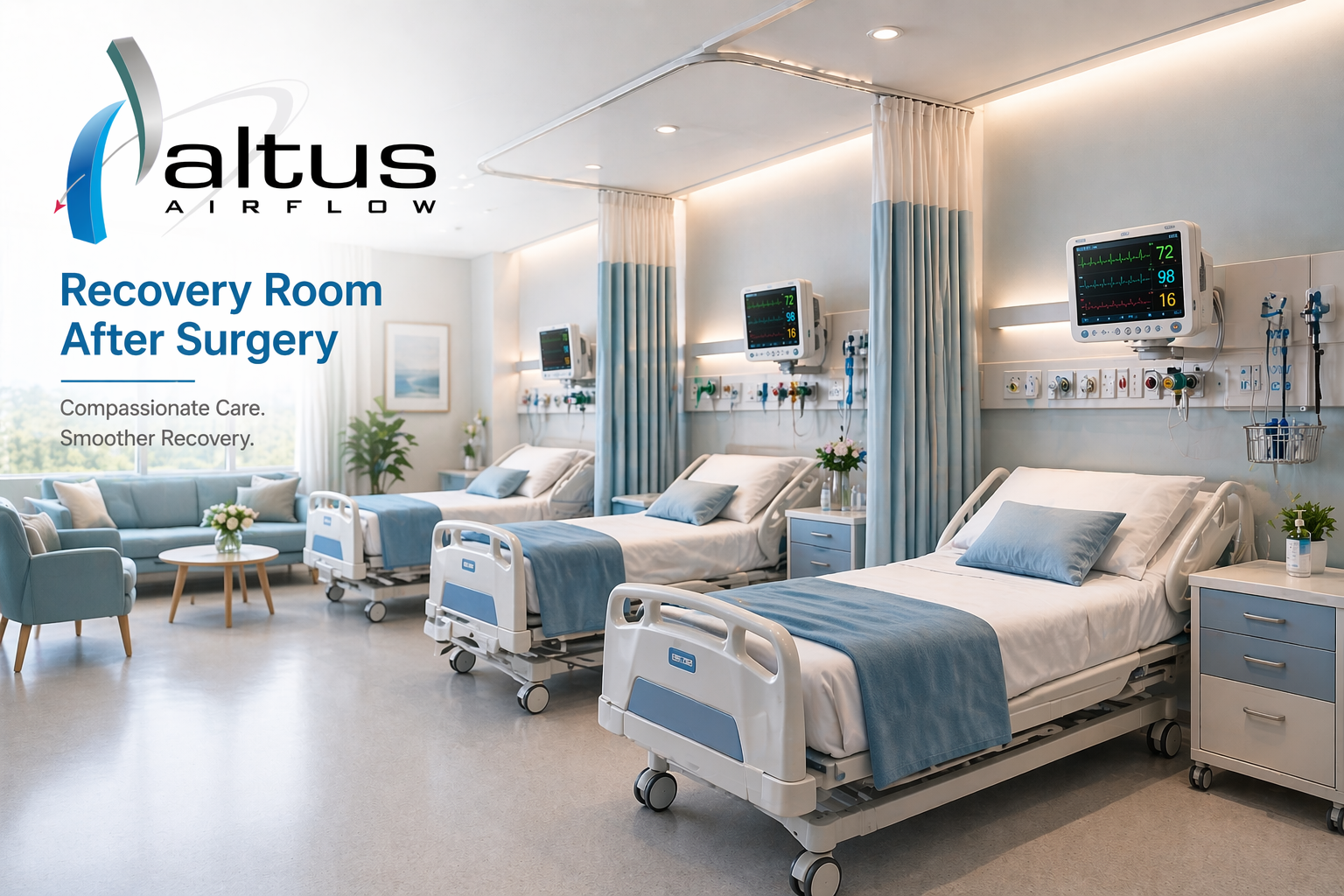
A Recovery Room After Surgery plays an important role in helping patients safely recover after surgical procedures. It provides a controlled medical environment where healthcare professionals closely observe patients as they recover from anesthesia and adjust after surgery. During this stage, patients may require monitoring, medication support, oxygen therapy, pain management, and immediate medical attention if complications occur. A properly managed recovery area helps improve patient safety, supports faster stabilization, and ensures a smooth transition to further treatment or discharge.
Continuous Monitoring of Patient Condition
One of the primary ways recovery rooms support patients is through continuous monitoring.
Healthcare professionals regularly check vital signs such as heart rate, blood pressure, oxygen saturation, respiratory rate, ECG, and body temperature. Advanced monitoring equipment provides accurate information about the patient's condition after surgery.
Regular observation allows medical teams to identify early warning signs and provide timely care when needed.
Safe Recovery From Anesthesia
Anesthesia recovery requires careful medical supervision.
After surgery, patients may experience temporary effects from anesthesia, including drowsiness, reduced reflexes, or changes in breathing patterns. Healthcare professionals monitor consciousness levels and ensure patients gradually regain normal functions.
Proper anesthesia management helps reduce risks and supports a safer recovery process.
Pain Management Support
Managing post-operative pain is an essential part of recovery care.
Medical teams assess patient comfort levels and provide prescribed pain medications or other pain relief methods. Effective pain control helps patients rest comfortably and supports the body's healing process.
Proper pain management improves recovery quality and patient experience.
Respiratory Support and Oxygen Therapy
Some patients require additional breathing support after surgery.
A Recovery Room After Surgery provides oxygen therapy and respiratory monitoring through equipment such as oxygen masks, nasal cannulas, and other respiratory devices. Healthcare professionals monitor oxygen levels to ensure stable breathing.
Respiratory support helps prevent complications and promotes safer recovery.
Medication and Fluid Management
Patients may require medications and intravenous fluids during the recovery period.
Healthcare professionals administer antibiotics, pain medicines, fluids, and other prescribed treatments while observing the patient's response. Proper management ensures that patients receive the required care at the right time.
Accurate medication and fluid administration support effective healing.
Surgical Site Observation
Monitoring the surgical area helps prevent complications.
Medical staff regularly check wound dressings and observe signs such as bleeding, swelling, drainage, or infection. Any concerns are immediately communicated to doctors for appropriate action.
Regular wound assessment supports proper healing after surgery.
Early Detection of Complications
Recovery rooms allow healthcare teams to identify possible problems quickly.
Patients are observed for complications such as breathing difficulties, abnormal heart rhythms, allergic reactions, excessive bleeding, nausea, or changes in consciousness. Early detection allows immediate medical response.
Quick intervention improves patient safety and recovery outcomes.
Nursing Care and Assistance
Professional nursing support is essential during recovery.
Nurses monitor patient progress, administer medications, assist with positioning, maintain medical records, and provide comfort. They also communicate important updates to doctors and surgical teams.
Dedicated nursing care ensures continuous attention throughout recovery.
Infection Prevention and Hygiene
A clean healthcare environment supports safer recovery.
Recovery rooms follow strict infection control practices, including proper cleaning procedures, equipment sterilization, ventilation management, and hygiene protocols.
These measures help reduce infection risks and protect recovering patients.
Patient Comfort and Positioning Support
Comfortable surroundings contribute to better recovery.
Healthcare professionals provide suitable positioning, maintain privacy, manage room conditions, and ensure patients remain comfortable during observation.
A supportive environment helps patients feel secure after surgery.
Preparation for Further Care
Recovery rooms help patients transition safely to the next stage of treatment.
Before transfer or discharge, healthcare professionals evaluate vital signs, pain levels, breathing ability, and overall recovery progress. This assessment ensures patients are ready for continued care.
Proper evaluation supports a smooth transition after surgery.
Conclusion
A recovery environment supports patients through continuous monitoring, anesthesia recovery care, pain management, respiratory support, medication administration, infection prevention, nursing assistance, and emergency preparedness. These services help healthcare professionals provide safe observation and effective post-operative support while allowing patients to recover comfortably after surgical procedures.
FAQs
1. How does a Recovery Room After Surgery help recovery?
A Recovery Room After Surgery helps recovery through patient monitoring, anesthesia observation, pain management, oxygen support, medication administration, surgical site assessment, infection prevention, and professional nursing care.
2. Why are patients monitored after surgery?
Monitoring helps healthcare professionals detect complications early and provide immediate medical support when required.
3. How does pain management support recovery?
Pain control improves comfort, allows better movement, and helps patients recover more effectively after surgery.
4. What respiratory support is provided after surgery?
Patients may receive oxygen therapy, breathing assistance, and respiratory monitoring depending on their medical condition.
5. Why is infection prevention important in recovery rooms?
Infection prevention measures help maintain a safe environment and reduce the risk of post-operative infections.



 About Urh Social
 Terms of Service
 Privacy Policy
 Contact

 Arabic
 French
 Spanish
 Portuguese
 Deutsch
 Turkish
 Dutch
Dutch
 Italiano
 Russian
 Romaian
 Portuguese (Brazil)
 Greek
Greek
