


 About Urh Social
 Terms of Service
 Πολιτική Ιδιωτικότητας
 Contact
Signs a House Needs a Structural Upgrade Before Remodeling
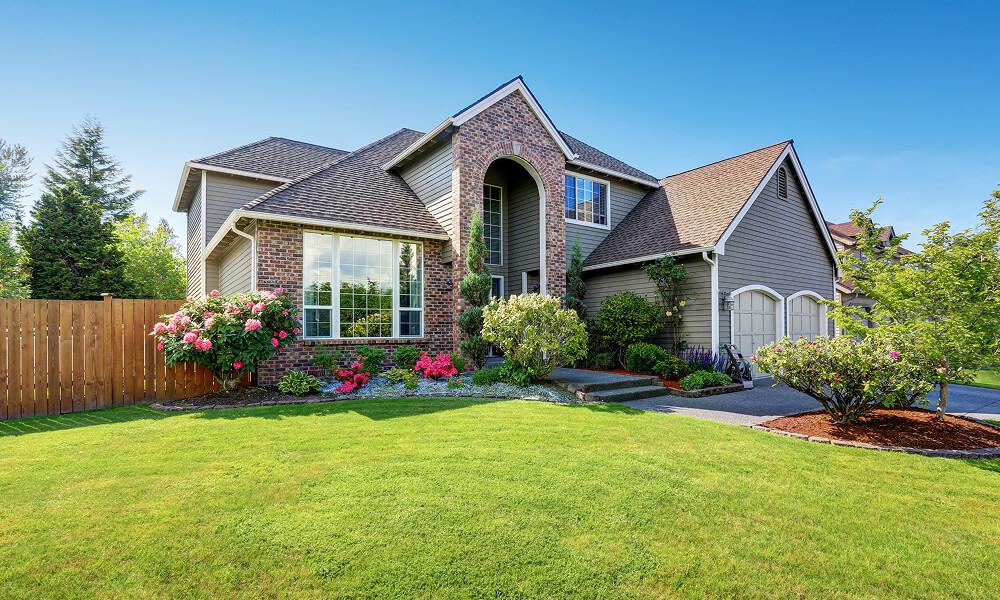
Signs a House Needs a Structural Upgrade Before Remodeling
Before you pick out cabinet finishes or fall in love with a paint color, there's a less glamorous question worth answering first: is the bones of your house actually ready for this remodel? Skipping this step is one of the most expensive mistakes homeowners make. Here's how to spot the warning signs early.
Why Structural Assessment Comes First
Remodeling projects tend to focus on the visible layer of a home: floors, walls, fixtures, and finishes. But every one of those sits on top of a structural system that has to support new loads, new layouts, and sometimes entirely new configurations. If that system is already strained, adding a kitchen island, knocking down a wall, or building a second story will only expose the problem faster and at a much higher cost.
A remodel is also the ideal time to deal with structural issues, since walls and floors are already opened up. Waiting until after the cosmetic work is done means paying to redo finished work just to fix what's underneath it.
Cracks That Go Beyond Cosmetic
Small hairline cracks in drywall are normal as a house settles over time. But certain cracks are trying to tell you something more serious.
Watch for cracks that are wider than a quarter inch, that run diagonally from the corners of doors and windows, or that appear in a stair-step pattern along brick or block walls. Cracks in the foundation itself, especially horizontal ones, are a bigger red flag than vertical cracks. If a crack keeps reappearing after being patched, that's a sign the underlying movement hasn't stopped.
Doors and Windows That Don't Behave
If doors and windows have started sticking, no longer latch properly, or have visible gaps around the frame that weren't there before, the frame itself may have shifted. This usually points to movement in the foundation or the framing around the opening. It's easy to blame humidity or an old house settling, but if multiple doors and windows across different rooms are showing the same symptoms, it's worth having someone look at the structure rather than just planing down a door.
Uneven or Sloping Floors
Floors are supposed to be flat. If you notice a ball rolling on its own toward one side of a room, furniture that looks subtly tilted, or a sensation of walking downhill in one part of the house, that's usually a sign of foundation settlement or a failing floor joist system. A little unevenness in an older home isn't automatically alarming, but a slope that has gotten noticeably worse, or one that's isolated to a single area, deserves a closer look before you build anything on top of it.
Sagging Rooflines or Ceilings
Look at your roofline from the street. A ridge that dips in the middle, rafters that sag, or a roof that looks visibly different from neighboring homes of the same style can point to a weakened structural frame. Indoors, ceilings that bow, sag, or show water staining paired with sagging often indicate that the framing above has been compromised, whether from water damage, undersized lumber, or age.
Bouncy or Soft Floors
If floors feel spongy, bounce when you walk across them, or flex noticeably under furniture, the floor joists underneath may be undersized, damaged, or spaced too far apart for the load they're carrying. This is especially important to catch before a remodel that adds weight, like stone countertops, a soaking tub, or additional living space above.
Basement and Crawl Space Clues
Basements and crawl spaces reveal a lot that finished rooms hide. Signs to look for include bowing or leaning foundation walls, gaps where the foundation meets the framing, damp or musty conditions that suggest water intrusion, and visible rot or insect damage on wood framing members. Support posts or piers that look out of plumb, or that show signs of shifting, are also worth flagging.
Cracked or Separating Exterior Brick and Stucco
On the outside of the house, look for cracks in brick veneer or stucco, especially ones that follow a stair-step pattern through mortar joints. Gaps where the chimney meets the house, or a chimney that's leaning away from the structure, often point to differential settlement between two parts of the foundation.
Previous DIY Changes Without Permits
If a past owner removed a wall, added a room, or modified the structure without pulling permits or hiring a structural engineer, there's no guarantee it was done safely. This is one of the trickiest issues because it's often invisible until the remodel opens the walls back up. If you know or suspect there's been unpermitted work, it's worth having it evaluated before building further on top of it.
Water Damage History
Any history of flooding, chronic moisture, or long-term leaks around the foundation or framing is a signal to have the structure checked. Water is one of the most common causes of hidden structural decay, since it can rot wood framing and corrode metal connectors long before any of it becomes visible on the surface.
What to Do With These Signs
Noticing one or two minor signs doesn't necessarily mean a full structural overhaul is needed. But if you're planning a remodel and any of the following apply, it's worth bringing in a structural engineer or qualified contractor before finalizing your design plans:
- Multiple signs are present at once
- The signs are worsening over time
- The remodel plan involves removing walls, adding a second story, or increasing structural loads
- The home is older or has an unknown renovation history
- You're combining spaces, like an open-concept conversion, that changes how weight is distributed
A structural assessment typically involves an inspection of the foundation, framing, and load paths, sometimes paired with an evaluation of soil conditions if foundation movement is suspected. The cost of this assessment is small compared to what it costs to fix a structural failure after finishes are already in place.
The Bigger Picture
A remodel is an investment, and like any investment, it's only as strong as its foundation, sometimes literally. Catching structural issues early protects your budget, your timeline, and ultimately your safety. If your home is showing any combination of these signs, treat it as useful information rather than a setback. Addressing it before the pretty stuff begins means the eventual remodel will actually last as long as you're hoping it will.

 English
 Arabic
 French
 Spanish
 Portuguese
 Deutsch
 Turkish
 Dutch
Dutch
 Italiano
 Russian
 Romaian
 Portuguese (Brazil)
