


 About Urh Social
 Terms of Service
 Datenschutzbestimmungen
 Contact
The Future of Smiles: How China’s Dental Market is Set to Double by 2034
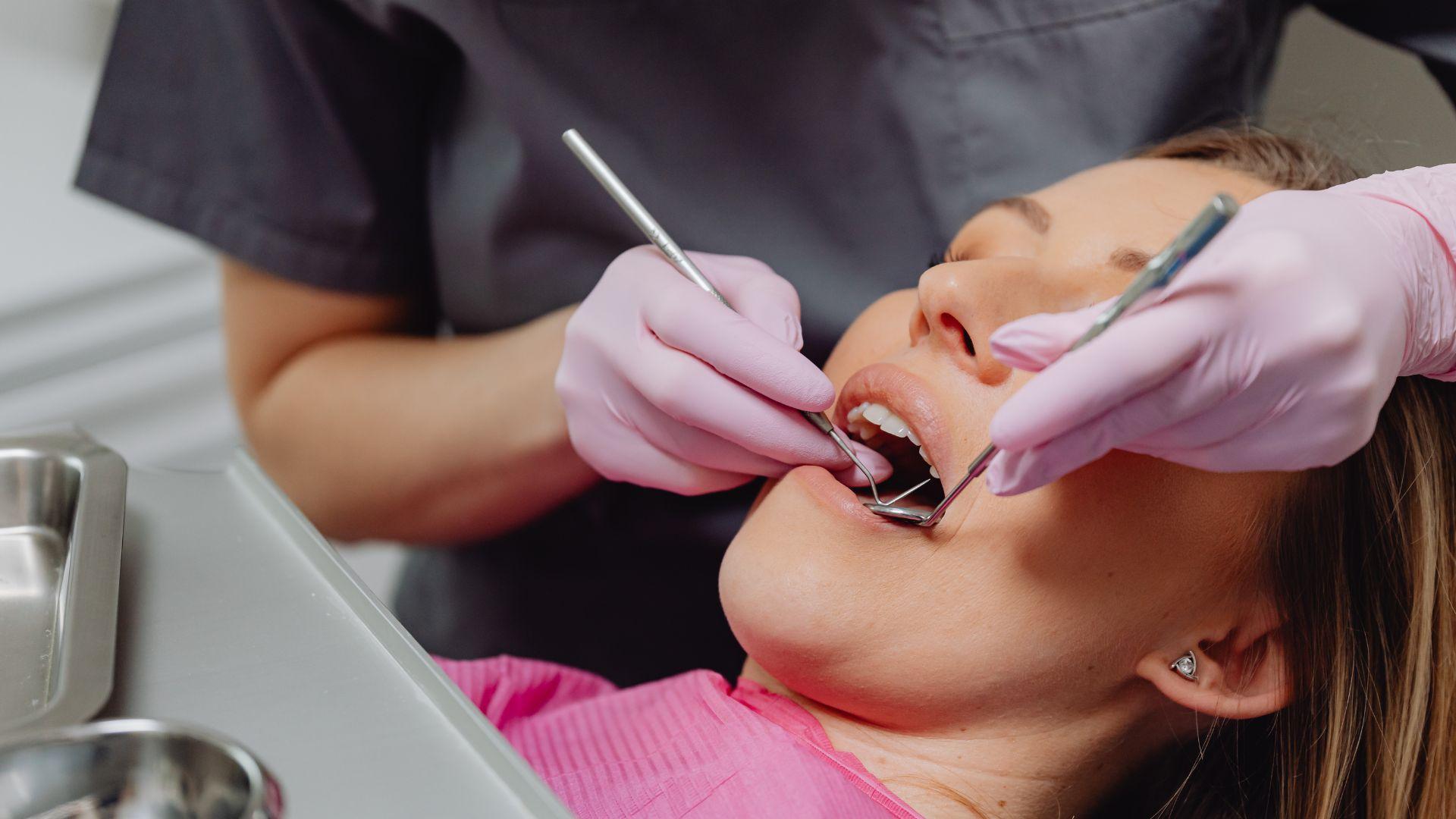
In the bustling urban centers of Beijing and the rapidly modernizing landscapes of Zhejiang, a quiet revolution is taking place. It is not occurring in high-tech laboratories alone, but in the everyday choices of millions of citizens prioritizing their oral health. As China undergoes a profound demographic and economic transformation, the nation’s dental industry has emerged as one of the most dynamic sectors in global healthcare.
This shift is more than just a trend—it is a measurable surge in demand and infrastructure. According to insights from Renub Research, the China dental market is projected to witness substantial growth, expanding from US$ 7.83 Billion in 2025 to US$ 14.26 Billion by 2034. This trajectory reflects a steady Compound Annual Growth Rate (CAGR) of 6.89% throughout the forecast period of 2026–2034. But what is fueling this momentum, and how will it reshape the way the world’s most populous nation approaches dentistry?
Download Free Sample Report:https://www.renub.com/request-sample-page.php?gturl=china-dental-market-p.php
The Evolution of Oral Healthcare in China
Dental care, once categorized primarily as a remedial necessity, has evolved into a comprehensive pillar of wellness in China. It now encompasses everything from routine hygiene and preventive check-ups to advanced cosmetic procedures, complex surgical interventions, and digital orthodontics.
This transition is driven by a simple but powerful realization: oral health is a gateway to systemic well-being. Science increasingly links poor oral hygiene to chronic conditions such as cardiovascular disease and diabetes. As the Chinese public becomes more health-literate, the demand for specialized, high-quality dental services has transitioned from a luxury to a fundamental expectation.
The Primary Drivers of Market Expansion
Several macroeconomic and social factors are acting as catalysts for this growth.
1. Rising Awareness and National Initiatives
Public consciousness regarding dental health has never been higher. This is largely the result of deliberate government policy and community-level education. For instance, in May 2025, the Chinese Red Cross Foundation, in partnership with Royal Future Technology Development Co., launched the ‘Oral Health and Nutrition Promotion Program’ in Beijing.
This initiative aligns with the ‘Healthy China 2030’ plan, which frames public health as a national strategic priority. Through expert seminars, screening camps, and digital awareness campaigns, the state is actively dismantling old stigmas and encouraging proactive dental management.
2. The Rise of the Middle-Class Aesthetic
China’s burgeoning middle class is shifting the market dynamics of cosmetic dentistry. As disposable income grows, younger generations are increasingly investing in their appearance, driving demand for teeth whitening, veneers, and clear aligners.
Furthermore, the industry is becoming more accessible. The introduction of the first "national tender for dental implants" was a game-changer. By reducing average hospital prices by 55%, the government has effectively moved implants from the "luxury" category to an affordable service for the middle-income majority. This move alone is expected to expand the addressable audience by 30% by 2030, fundamentally reshaping the business model for private clinics and manufacturers alike.
3. The Aging Population and Restorative Demand
With over 280 million people aged 60 and above, China faces a significant demand for restorative dentistry. As tooth loss and periodontal issues increase with age, the need for bridges, crowns, and sophisticated implant technology is skyrocketing. Provinces like Jiangsu and Guangdong are leading the charge, where high levels of health awareness and disposable income are fueling a surge in the adoption of prosthodontics.
Regional Hotspots: Where Growth is Concentrated
The dental market in China is not uniform; it is a tapestry of regional hubs, each with its own character.
-
Beijing: As the capital, Beijing serves as the benchmark for quality. Its high concentration of elite hospitals and educated residents makes it the most important market for premium and complex dental care.
-
Shanghai: A financial and innovation hub, Shanghai is the epicenter of the aesthetic and cosmetic dental revolution. The prevalence of international dental brands and high-end private clinics makes it a leader in treatment innovation.
-
Zhejiang: Driven by rapid industrialization and robust healthcare infrastructure in cities like Hangzhou and Ningbo, Zhejiang is emerging as a top-tier market for dental consumables and digital dentistry.
-
Tianjin: Benefiting from its geographical proximity to Beijing, Tianjin is seeing a steady transfer of expertise and technology, fueling a balanced growth between public healthcare facilities and a rising private sector.
Persistent Challenges: The Path Toward Equity
Despite the optimistic forecast, the market faces structural hurdles. The most prominent is the uneven distribution of resources. While tier-one cities like Shanghai enjoy world-class facilities, rural and lesser-known cities often grapple with a shortage of trained specialists and longer waiting times in public hospitals.
Additionally, the cost of advanced procedures remains a barrier for many. While insurance coverage is improving, many premium cosmetic and surgical procedures are not fully covered by public schemes. Bridging the gap between the affordability of basic services and the high cost of specialized care remains the industry's most significant hurdle.
The Technology Factor: Radiology and Digital Systems
Modern dentistry in China is becoming synonymous with "Digital Dentistry." The demand for Dental Radiology Equipment—specifically cone-beam CT systems and digital intraoral X-rays—is exploding as practitioners seek precision in their diagnoses.
Investment in Dental Systems and Parts (chairs, handpieces, and compressors) is also rising. As private clinics compete to attract patients, efficiency has become the name of the game. Clinics are investing in high-tech, integrated workflows that minimize patient discomfort and maximize clinical outcomes.
FAQs: Understanding the Market with Renub Research
1. What is the projected market size of the China dental market by 2034? According to Renub Research, the market is expected to reach US$ 14.26 Billion by 2034, growing from US$ 7.83 Billion in 2025.
2. What is the anticipated growth rate (CAGR) for the China dental market from 2026 to 2034? The market is expected to follow a healthy Compound Annual Growth Rate (CAGR) of 6.89% during the 2026–2034 forecast period.
3. Which demographic factor is significantly driving the demand for restorative dentistry in China? The rapidly aging population, with over 280 million citizens aged 60 and above, is a primary driver, leading to increased demand for tooth prostheses, crowns, and implants.
4. How did the national tender for dental implants impact the market? The national tender successfully reduced average hospital prices by 55%, making implants accessible to a much broader segment of the middle-income population and expanding the addressable market by approximately 30%.
5. Which regions in China are identified as key hubs for dental market growth? Beijing and Shanghai are the primary hubs for premium and aesthetic care, while Zhejiang and Tianjin are seeing robust growth due to improved healthcare infrastructure and rising urbanization.
6. What role does government policy play in the growth of the China dental market? Government initiatives, such as the ‘Healthy China 2030’ plan and the ‘Oral Health and Nutrition Promotion Program,’ are essential in shifting the public focus toward preventive dentistry and regular screenings.
7. What are the key equipment segments currently seeing high demand in China? There is a significant surge in demand for digital dental radiology equipment (such as cone-beam CT) and high-efficiency dental systems (including digital chairs and advanced handpieces) as clinics modernize their operations.
Final Thoughts: A Future Built on Innovation
The narrative of China’s dental market is one of transition—from basic care to high-tech excellence, and from urban privilege to broader accessibility. As the nation aligns its healthcare infrastructure with the rising aspirations of its citizens, the dental sector is set to become a vital contributor to the country’s overall health economy.
For stakeholders, the opportunity lies in addressing the disparities between regions and focusing on the rising demand for value-added, tech-driven services. With the market projected to nearly double in the next decade, the focus must remain on sustainability, education, and the democratization of care. By continuing to prioritize oral health as a pillar of national policy, China is not only improving the smiles of its people but is also securing a healthier, more confident future for the next generation.

 English
 Arabic
 French
 Spanish
 Portuguese
 Turkish
 Dutch
Dutch
 Italiano
 Russian
 Romaian
 Portuguese (Brazil)
 Greek
Greek
