


 About Urh Social
 Terms of Service
 Privacy Policy
 Contact
Global Cotton Market: Strategic Outlook, Trends, and Forecast (2026–2034)
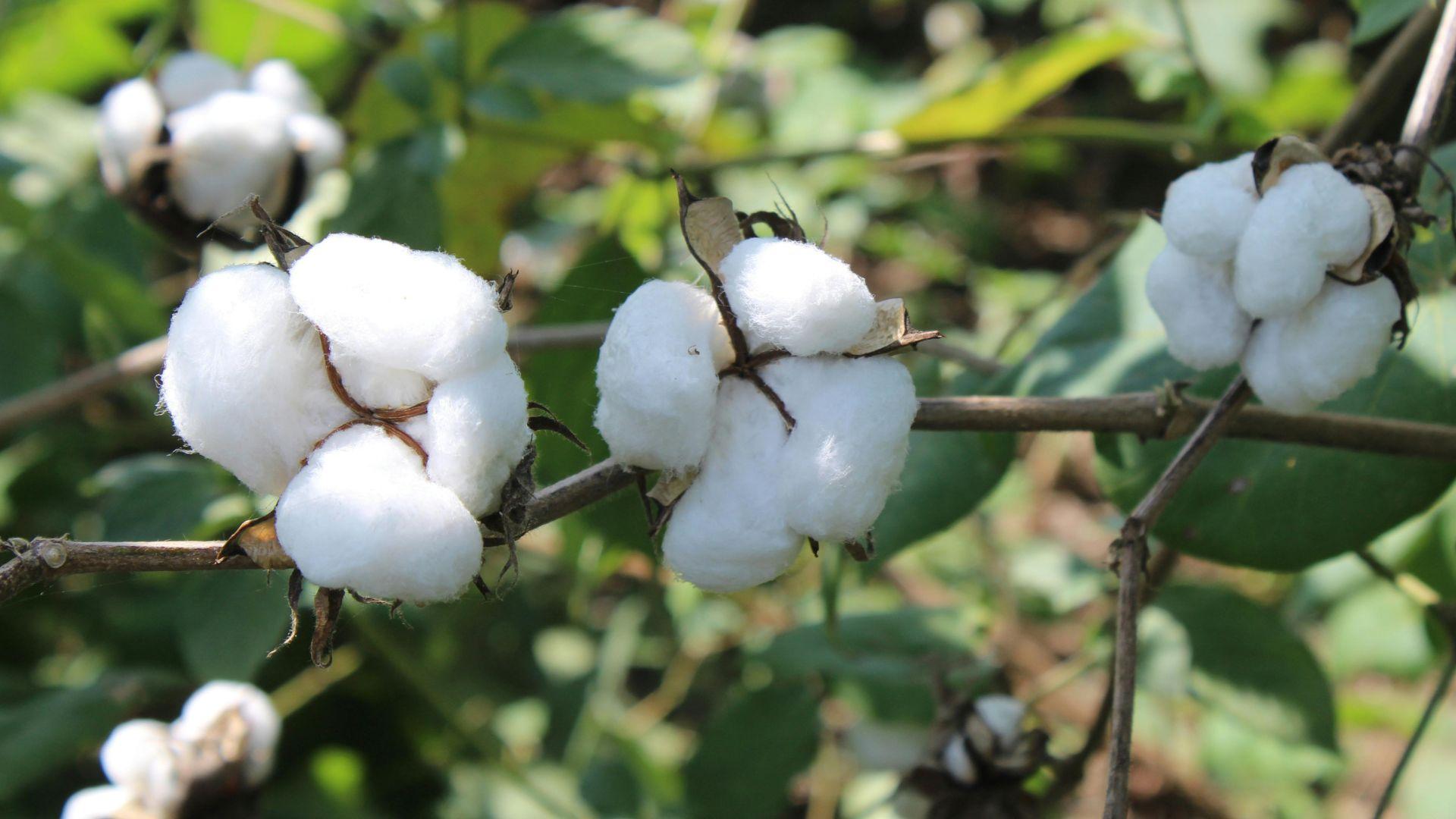
The global cotton market stands as a cornerstone of the textile and agricultural sectors, bridging the gap between field-grown natural fiber and the sophisticated demands of the modern apparel industry. As consumer preferences tilt decisively toward sustainable, biodegradable, and natural materials, cotton has reaffirmed its position as a vital commodity.
According to market analysis, the global cotton market is projected to reach US$ 62.9 Billion by 2034, growing from US$ 43.81 Billion in 2025. This represents a steady Compound Annual Growth Rate (CAGR) of 4.1% during the 2026–2034 forecast period. This growth is underpinned by an expanding global middle class, urbanization, and a paradigm shift toward eco-conscious textile sourcing.
Download Free Sample Report: https://www.renub.com/request-sample-page.php?gturl=global-cotton-market-p.php
Industry Overview: The Fiber of Modern Life
Cotton’s enduring popularity stems from its inherent versatility: it is soft, breathable, durable, and fully biodegradable. These natural properties make it indispensable across diverse applications, including high-fashion apparel, essential home furnishings, industrial textiles, and personal care products.
The industry is currently undergoing a structural evolution. Technological advancements—ranging from precision mechanized harvesting to genetic improvements in seed resilience—are enhancing farm-level productivity. Simultaneously, the manufacturing sector is under pressure to adopt "green" processing methods. Organic cotton cultivation and sustainable textile finishing are no longer niche interests; they are becoming standard requirements driven by both regulatory bodies and consumer transparency expectations.
Trade Dynamics and Regional Roles
The global cotton supply chain is defined by its geographic specialization:
-
India: Serves as a vital link, balancing massive production with significant domestic manufacturing and exports. Government initiatives, such as the Cotton Technology Mission and the "Kasturi Cotton Bharat" program, are actively working to improve fiber quality, traceability, and farmer earnings.
-
China: Remains the world's largest importer, acting as the primary engine for global cotton consumption due to its immense garment manufacturing infrastructure.
-
Trade Sensitivity: Price fluctuations in the global market, currency exchange rates, and shifts in demand from manufacturing hubs like Bangladesh and Vietnam create a ripple effect that dictates local pricing in producing nations.
Primary Growth Drivers
1. Yield Gains Facilitated by Biotechnology
Modern cotton cultivation is increasingly data-driven. Currently, approximately 78.4% of the global cotton crop is genetically modified, resulting in average yield increases of 15% to 25% over conventional varieties.
-
US Productivity: Farmers maintain high efficiency (near 950 kg/ha) through sophisticated insect and herbicide-resistant traits.
-
Drought Tolerance: Innovations such as gene-editing technologies developed by Texas A&M University have successfully produced lines capable of maintaining 90% output even under a 40% water reduction, providing a crucial buffer against climate volatility.
2. The Rise of Organic Cotton
Sustainability has moved from a marketing buzzword to a market requirement. In 2024–2025, global organic lint production reached 342,000 metric tons.
-
Price Premium: Organic fiber commands 20%–30% higher prices than conventional cotton.
-
Major Producers: India leads the charge, accounting for 51% of global organic production, followed by Turkey (12%) and China (10%). Major brands, including Patagonia, are incentivizing this shift by offering floor prices up to 25% higher than local benchmarks to secure GOTS-certified lint.
3. Government Support and Price Stabilization
To protect the livelihoods of millions of smallholder farmers, governments have implemented robust support systems:
-
India: Guaranteed pricing models ensure a 50% cost-plus return for producers.
-
China: The national reserve system continues to buffer domestic pricing while influencing global import flows.
-
United States: Utilization of revenue insurance and Agriculture Risk Coverage programs (enrolling 85% of farmland) provides stability against market volatility.
Market Challenges: Navigating Uncertainty
Despite positive growth, the industry faces persistent headwinds:
-
Climate Variability: Cotton is notoriously sensitive to water availability. Droughts, floods, and shifting rainfall patterns threaten the stability of supply, often leading to raw material price spikes.
-
Synthetic Competition: Polyester and nylon continue to pose a competitive threat due to their low production costs and durability. Fast-fashion segments, in particular, remain price-sensitive, often choosing synthetic blends over 100% cotton to maintain margins.
-
Certification Costs: For smallholder farmers in developing regions, the high cost of organic certification and licensing for biotech seeds remains a significant barrier to entry.
Regional Market Spotlights
-
United States: A global leader in agricultural efficiency. The US market leverages advanced irrigation and supply chain infrastructure to maintain a competitive edge, with a strong shift toward sustainable/organic branding.
-
United Kingdom: Driven primarily by the retail and fashion sectors. The UK market is a bellwether for consumer sentiment, where demand for ethically sourced and traceable cotton fabrics is higher than in most other markets.
-
India: The agricultural heartland. With over 6 million producers, India is focusing on moving up the value chain through the "Kasturi Cotton Bharat" program, which uses QR-coded, traceable bales to boost global market acceptance.
-
United Arab Emirates: A strategic distribution and trading hub. While local cultivation is minimal, the UAE is vital for the re-export of luxury textiles and serves as an important junction for global textile trade flows.
Recent Industry Developments
-
December 2025: India launched a five-year Cotton Productivity Mission to modernize procurement and certification through digital, traceable, QR-coded bale systems.
-
July 2025: Corteva Agriscience introduced two new high-yield, versatile Upland cotton cultivars (PHY 357 W3FE and PHY 433 W3FE) designed for the US Cotton Belt.
-
June 2025: The Better Cotton Initiative (BCI) overhauled its product labeling and shifted to a third-party certification model, signaling a broader industry push for verifiable, transparent supply chain claims.
Summary of Key Market Players
The global market is supported by integrated players that handle everything from ginning and spinning to retail supply. Key entities include:
-
Aarti International Limited
-
Coats Group plc
-
Damodar Group
-
Fortex
-
Huafang Group
-
KPR Mill Limited
-
Maharaja Shree Umaid Mills Limited
-
Nahar Spinning of Companies
-
Nitin Spinners Ltd.
-
Weiqiao Textile Company Limited
Frequently Asked Questions (FAQs)
1. What is the projected market size of the global cotton industry by 2034? The global cotton market is expected to reach US$ 62.9 billion by 2034, growing from US$ 43.81 billion in 2025.
2. What is the expected CAGR for the cotton market during the 2026–2034 period? The market is anticipated to grow at a CAGR of 4.1%.
3. What is the primary factor driving the increase in cotton yields? Yield gains are largely driven by the adoption of genetically modified (GM) cotton, which now covers 78.4% of the global crop, alongside advancements in irrigation and drought-tolerant gene-editing technologies.
4. How much of the global cotton production is currently organic? As of the 2024–2025 period, organic lint accounts for approximately 1.4% of global production, with India being the leading producer at 51% of the total.
5. What is the purpose of India's "Kasturi Cotton Bharat" program? It is designed to improve the quality of Indian cotton, ensure traceability through QR-coded bales, and foster international acceptance, ultimately aiming to reduce the country’s reliance on high-quality imports.
6. Why do synthetic fibers pose a challenge to the cotton market? Synthetic fibers like polyester and nylon are cheaper to produce and offer high durability, often forcing cotton producers to compete on price, especially in the fast-fashion manufacturing segment.
7. How has the Better Cotton Initiative (BCI) recently changed its operations? In June 2025, BCI shifted to a third-party certification method for its labels to enable more verifiable and credible supply chain claims for sustainable cotton.

 Arabic
 French
 Spanish
 Portuguese
 Deutsch
 Turkish
 Dutch
Dutch
 Italiano
 Russian
 Romaian
 Portuguese (Brazil)
 Greek
Greek
