


 About Urh Social
 Terms of Service
 Politique de confidentialité
 Contact
North America Drone Market Size and Forecast 2026–2034
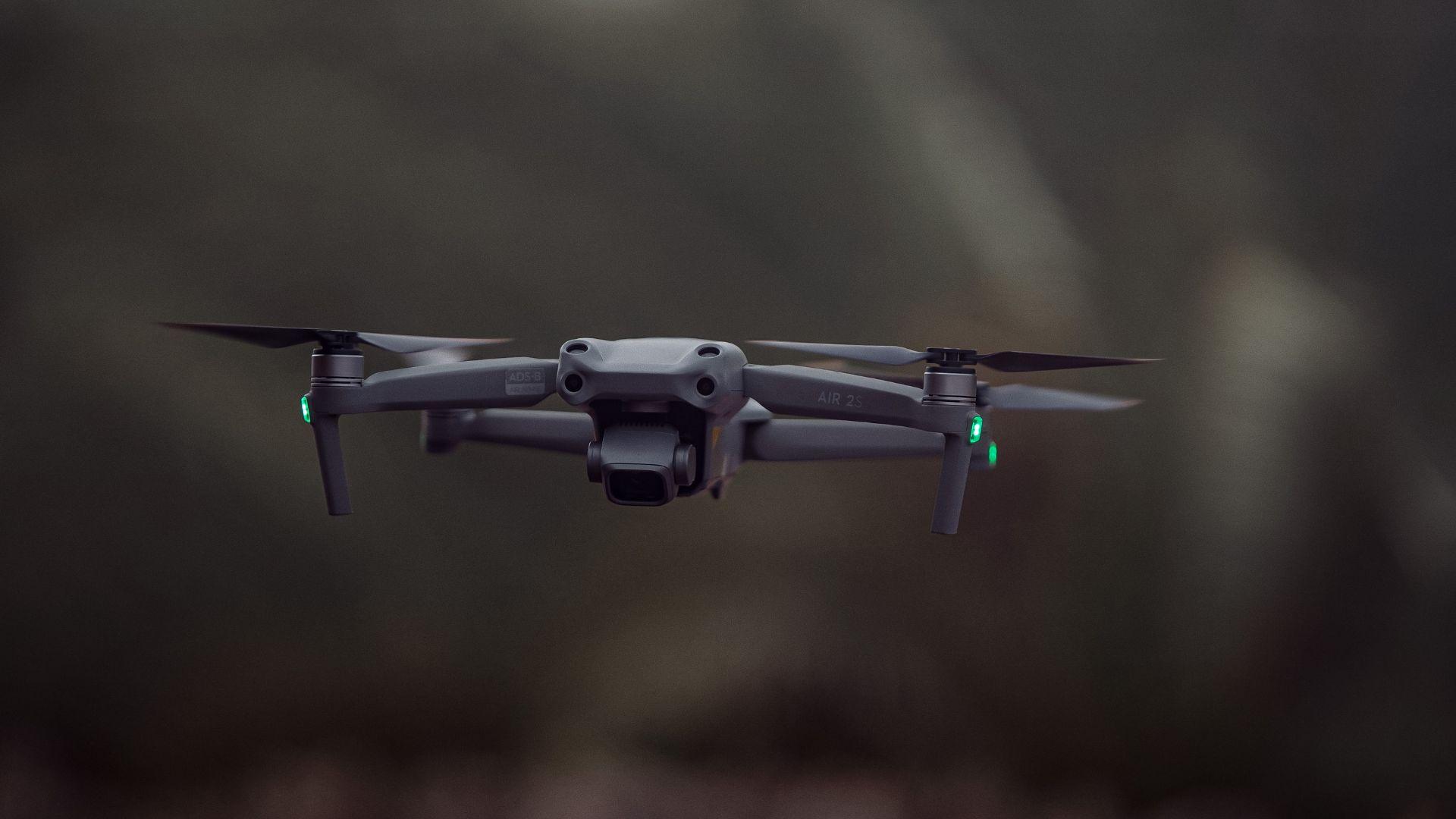
Industry Overview: The Drone Revolution
The North American drone market is undergoing a fundamental transformation, evolving from a niche hobbyist landscape into an essential pillar of industrial, defense, and commercial operations. As of 2025, the market is valued at US$ 12.35 billion, with an expected compound annual growth rate (CAGR) of 10.22% through 2034.
Drones, or Unmanned Aerial Vehicles (UAVs), are now critical tools for real-time data acquisition and tactical operations. Whether performing precision agricultural monitoring, high-stakes infrastructure inspections, or advanced defense reconnaissance, drones are increasingly recognized for their ability to provide cost-effective, safe, and efficient aerial insights.
Market Statistics: The U.S. Landscape
The United States remains the central hub for global drone innovation and utilization. Current FAA data highlights the scale of this adoption:
-
Total Registrations: Over 855,000 drones are currently registered in the U.S.
-
Operational Volume: 2024 saw more than 38 million drone flights, with commercial operations accounting for over 16 million of those flights.
-
Professional Workforce: Over 405,000 individuals have secured Part 107 Remote Pilot Certificates, underscoring a massive growth in professional drone operators.
-
Industry Dominance: DJI remains a significant presence in the market, representing over 96% of detected drone operations in monitored U.S. airspace.
Key Growth Drivers
The sector’s growth is fueled by three primary catalysts:
-
Commercial Diversification: Beyond photography, drones are revolutionizing sectors like agriculture (precision spraying), construction (3D mapping), and energy (utility inspections).
-
AI and Autonomy: The integration of AI-powered analytics allows drones to process data in real-time. Modern platforms can now identify anomalies, monitor environmental hazards, and automate complex navigation tasks without human intervention.
-
Defense and Public Safety: Geopolitical shifts have increased demand for autonomous combat and reconnaissance systems. Simultaneously, public safety agencies are deploying "Drone-as-First-Responder" (DFR) platforms to dramatically reduce emergency response times.
Regional Performance
-
United States: The leader in innovation and defense procurement. Recent U.S. Coast Guard trials using autonomous sail drones on the Great Lakes exemplify the shift toward specialized, multi-function platforms.
-
Canada: A leader in integrating drones into environmental and resource management. A recent landmark agreement between Canada and Ukraine to manufacture military drones in North America marks a significant shift in regional industrial capabilities.
-
Mexico: Rapidly adopting drones for pharmaceutical logistics and precision agriculture, with recent partnerships like the Wingcopter and Sincronía Logística project significantly enhancing medical delivery reach.
Challenges to Market Expansion
-
Regulatory & Airspace Complexity: Integrating drones into the National Airspace System (NAS) remains the industry's largest technical hurdle. Balancing innovation with the safety of manned aircraft requires constant policy updates and uniform standards across jurisdictions.
-
Cybersecurity & Data Privacy: As drones capture vast amounts of high-resolution data, they become targets for cyberattacks. Protecting the integrity of this data and addressing public concerns regarding surveillance are critical for long-term social and regulatory acceptance.
Recent Technological Breakthroughs
The market has seen a rapid rollout of next-generation hardware throughout 2025–2026:
-
BRINC Guardian: Launched in March 2026, this 911-response platform features the world’s first satellite-connected drone system.
-
Zero Zero Robotics (HoverAir Aqua): The world’s first fully waterproof self-flying drone, opening new frontiers in marine and water sports applications.
-
Lockheed Martin: Successfully demonstrated containerized missile launches and drone interception capabilities in mid-2026, meeting the critical need for mobile, low-cost counter-drone solutions.
Leading Players in the North American Ecosystem
The competitive landscape is defined by firms that bridge the gap between defense and commercial innovation:
-
AeroVironment Inc.
-
Teledyne FLIR LLC
-
Drone Delivery Canada
-
Boeing Company
-
Intel Corporation
-
Alphabet Inc. (Wing)
Final Thoughts
North America is positioned to remain the global epicenter for drone development through the next decade. As the industry shifts from visual-line-of-sight operations toward fully autonomous, AI-driven fleets, the economic impact will be profound. For businesses and government agencies alike, the challenge will be to navigate the evolving regulatory landscape while continuing to invest in the robust cybersecurity and sensor technologies that will define the next generation of aerial capabilities.

 English
 Arabic
 Spanish
 Portuguese
 Deutsch
 Turkish
 Dutch
Dutch
 Italiano
 Russian
 Romaian
 Portuguese (Brazil)
 Greek
Greek
