


 About Urh Social
 Terms of Service
 سياسة الخصوصية
 Contact
Spiders Control Guide for Maintaining a Comfortable Living Space
Introduction
Spiders are among the most common pests found in homes and commercial properties. While many species are harmless and even help reduce insect populations, their presence indoors is often unwelcome. Seeing spiders regularly, finding webs in corners, or discovering egg sacs around the property can make residents uncomfortable and concerned. In some cases, spider activity may also indicate the presence of other pest problems. Understanding why spiders enter buildings and learning how to reduce their activity can help create a cleaner, more comfortable living environment.
Understanding Common Household Spiders
Many spider species can be found around homes. Some prefer outdoor environments and only enter buildings occasionally, while others may spend most of their lives indoors.
Household spiders typically seek quiet locations where they can build webs and find food. Basements, attics, storage rooms, garages, and rarely used corners often provide ideal conditions. These areas offer shelter from weather and easy access to insects.
Most spiders are not aggressive and prefer to avoid human contact. However, their presence can still create concern, especially when populations increase or webs become more noticeable throughout the property.
Understanding spider behavior is an important step toward effective management and prevention.
Why Spiders Enter Homes
Spiders usually enter buildings for one of two reasons. They are either searching for shelter or following their food source.
Insects attract spiders because they provide a reliable source of nutrition. Homes with ant problems, flies, moths, mosquitoes, or other insects often experience increased spider activity.
Seasonal changes can also encourage spiders to move indoors. As temperatures drop, many species seek warmer environments where they can survive and continue hunting.
Small cracks around windows, doors, vents, and foundations allow spiders to enter easily. Once inside, they search for dark and protected areas where they can remain undisturbed.
Common Signs of Spider Activity
Many homeowners notice spiders before they realize there is a larger issue. Several signs can indicate an active population.
The most obvious sign is the presence of webs. Different spider species create different web patterns, but frequent web formation often suggests ongoing activity.
Regular sightings of spiders in multiple areas of the home may indicate that conditions are favorable for their survival.
Egg sacs are another important warning sign. A single egg sac can contain numerous developing spiders, leading to future population growth.
Increased insect activity can also indirectly point to spider problems. Since spiders rely on insects as a food source, an abundance of prey often attracts more spiders.
Monitoring these signs can help homeowners address problems before they become more widespread.
The Connection Between Spiders and Other Pests
One of the most overlooked aspects of spider management is the relationship between spiders and other insects. Spiders rarely remain in locations where food is unavailable.
When a property has recurring insect problems, spiders often follow. Ants, flies, beetles, mosquitoes, moths, and other insects create an ideal feeding environment.
This is why successful spider management often begins with reducing insect populations. By eliminating food sources, homeowners make the property less attractive to spiders.
Addressing underlying pest activity provides more sustainable results than focusing only on the spiders themselves.
Areas Where Spiders Commonly Hide
Spiders prefer locations that provide shelter and limited disturbance. Certain parts of a property are more likely to support their activity.
Basements are common hiding places due to their darkness and relatively low traffic. Storage boxes and unused items create additional shelter opportunities.
Attics often attract spiders because they contain numerous hiding spots and occasional insect activity.
Garages provide access to both indoor and outdoor environments, making them attractive locations for many species.
Closets, crawl spaces, utility rooms, and storage areas can also support spider populations if conditions remain favorable.
Regular inspections of these locations help identify activity early and support effective prevention efforts.
Prevention Tips for Homeowners
Preventing spider activity is often easier than dealing with a large population after it becomes established. Several simple strategies can reduce the likelihood of indoor infestations.
Regular cleaning removes dust, debris, webs, and insect activity that may attract spiders. Vacuuming corners, ceilings, and hidden spaces helps eliminate potential habitats.
Reducing clutter is another effective measure. Stacks of boxes, stored materials, and unused belongings provide ideal hiding places.
Sealing cracks and gaps around windows, doors, foundations, and utility openings limits access to the building.
Outdoor maintenance also contributes to prevention. Vegetation should be trimmed away from structures, and debris should be removed from around the foundation.
These steps help create an environment that is less attractive to both spiders and the insects they feed on.
The Importance of Exterior Maintenance
Many spider issues begin outside the home. Outdoor environments often serve as breeding and hunting grounds before spiders move indoors.
Overgrown shrubs, dense vegetation, wood piles, and accumulated debris create ideal shelter conditions. These areas also attract insects, increasing food availability.
Exterior lighting can influence spider activity as well. Bright lights attract flying insects during the evening, which in turn attract spiders seeking prey.
Keeping outdoor areas clean and well maintained helps reduce the number of spiders near entry points and lowers the likelihood of indoor activity.
Professional Spider Management Solutions
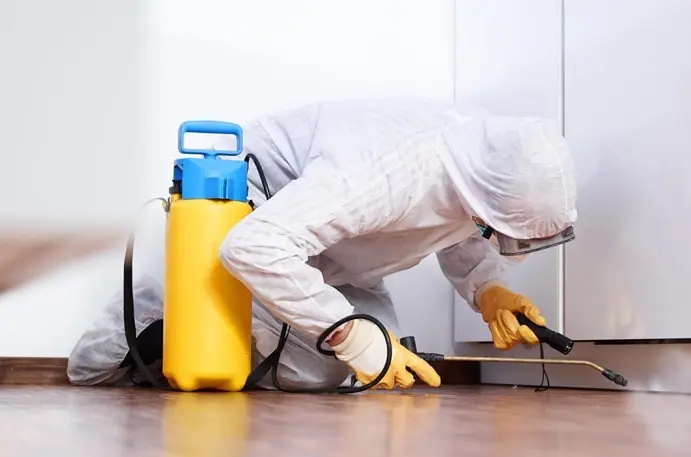
When spider activity becomes persistent, professional assistance can provide a more comprehensive solution. Experts begin by identifying the species involved, evaluating environmental conditions, and locating areas of activity.
A detailed inspection helps determine why spiders are present and what factors support their population. Recommendations often focus on habitat reduction, exclusion techniques, web removal, and insect management.
Targeted treatments may be used when necessary, but long-term success usually depends on addressing the conditions that attract spiders in the first place.
Professional guidance can help homeowners develop a customized strategy that supports ongoing prevention and control.
Why Routine Monitoring Matters
Spider populations can change throughout the year. Seasonal weather, insect activity, and environmental conditions all influence their behavior.
Routine inspections help identify changes before they become larger concerns. Monitoring allows homeowners to detect new entry points, emerging insect problems, and developing spider activity.
Consistent attention also helps maintain the effectiveness of preventive measures. Small maintenance tasks performed regularly often prevent larger issues from developing later.
Long-term monitoring is especially beneficial for properties that have experienced recurring pest activity in the past.
Creating a More Comfortable Living Environment
For many people, the goal of spider management is not simply eliminating individual spiders. It is about creating a cleaner, more comfortable environment where pest activity remains minimal.
Combining good sanitation practices, clutter reduction, structural maintenance, and insect management provides the strongest foundation for long-term success.
A proactive approach helps reduce surprises and allows homeowners to enjoy greater peace of mind. Small preventive actions performed consistently often produce the best results over time.
Maintaining a comfortable living space requires attention to all factors that influence pest activity, including those that attract spiders.
Frequently Asked Questions
Why do spiders enter homes?
Spiders enter homes seeking shelter, warmth, and access to insects that serve as food sources.
Are household spiders dangerous?
Most household spiders are harmless and avoid contact with people. However, many homeowners prefer to reduce their presence indoors.
What attracts spiders inside?
The main attractions are food sources, hiding places, warmth, and protection from outdoor weather conditions.
How can I stop spiders from building webs?
Regular cleaning, web removal, clutter reduction, and insect management help discourage web-building activity.
How often should a property be inspected for spider activity?
Routine inspections throughout the year help identify issues early and support effective long-term prevention.
Conclusion
Spiders are a natural part of the environment, but excessive activity inside a home can create discomfort and indicate other pest-related concerns. Effective Spiders Control involves more than removing visible webs or individual spiders. It requires understanding what attracts them, reducing insect populations, sealing entry points, and maintaining clean living spaces. By taking preventive measures and monitoring conditions regularly, homeowners can significantly reduce spider activity and improve overall comfort. For professional support and long-term pest management solutions, Ottawa My Pest Exterminator can help maintain a cleaner and more comfortable property throughout the year.

 English
 French
 Spanish
 Portuguese
 Deutsch
 Turkish
 Dutch
Dutch
 Italiano
 Russian
 Romaian
 Portuguese (Brazil)
 Greek
Greek
