


 About Urh Social
 Terms of Service
 Privacy Policy
 Contact
How to Master Fabric Sewing with Expert Techniques and Local Craft Methods
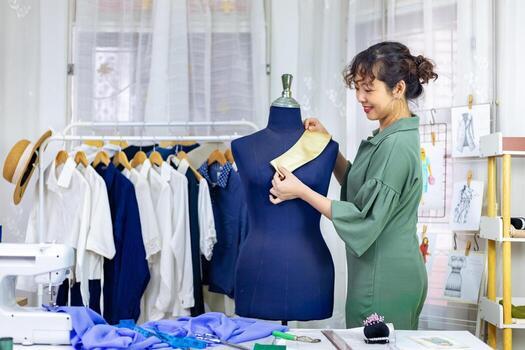
A torn shirt sleeve can make you feel sad. Many families in the USA face heavy stress when their favorite pants rip open at the bottom edge. You look at your bedroom closet, and you see a giant pile of clothes that need small fixes. It hurts to spend a lot of your hard-earned money at the mall to replace simple items. Most people do not know how to join two pieces of cloth together with a metal needle. Waiting too long means your nice shirts stay stuck in a dark corner basket for months and months. You deserve a simple plan to fix your garments and keep your family’s wardrobe looking crisp and clean. Learning the basic craft of stitching solves these frustrating clothing problems right at your own kitchen table. This fresh expert guide will teach you how to handle threads to create strong and beautiful garments easily.
Why Every American Household Needs a Basic Fabric Repair Plan
Let us face a simple fact here. A tiny hole in your blue jeans can ruin a good morning. You might think about throwing the pants away. Please do not do that because it wastes your cash. Instead, you can grab a cheap spool of thread and fix the edge yourself in two minutes. Doing your own mending builds great self-reliance over time. It keeps your clothes looking completely fresh without a trip to a costly shop. Plus, your kids will learn how to care for things just by watching you work.
Choosing the Right Needle and Thread for Your Home Project
Do not just grab any random needle you find in your kitchen drawer. Thick fabrics like heavy winter denim will snap a thin metal needle instantly. On the flip side, a giant needle will leave massive, ugly punctures in a soft silk shirt. You also want to match the color of your thread to the fabric background closely. If you use bright white string on dark black pants, everyone will see your repair from a mile away. Take a quick second to inspect your materials before you sit down to sew.
Simple Ways to Thread a Needle Without Hurting Your Eyes
We all know how annoying it is to stare at a tiny needle hole for ten minutes straight. The tip of your thread usually gets fuzzy and splits apart into a messy ball. To fix this, take a pair of sharp scissors and snip the thread tip at a clean angle. You can wet the point with a tiny drop of water to hold those loose fibers tight. Keep your hands steady under a bright lamp so you can see what you are doing. Push it straight through the eye and pull it down to make a double line.
How the Classic Straight Method Keeps Your Fabric Edges Neat
The simplest way to hold two pieces of cloth together is a standard straight run. You push your needle down through the weave and pop it back up slightly further down. Try your best to keep the spaces between your loops small and tight. If your gaps are too wide, the seam will pull apart when you wash the garment. This clean method is absolutely perfect for fixing side pockets or putting a loose dress hem back in place. It forms a solid bond that handles daily movement easily without cracking.
Why Fabric Scissors Make a Giant Difference for Clean Work
Using standard kitchen scissors on fine clothing material is a recipe for a total disaster. Common household blades are way too dull, so they chew and rip the fabric edges apart. Invest a few bucks into a dedicated pair of heavy steel fabric shears instead. Keep them hidden away in a safe spot so your family does not use them on paper or plastic tape. Sharp shears slice through thick cotton smoothly with just one easy squeeze of your hand. A clean cut stops the threads from fraying while you try to work.
How to Sew a Button Onto a Shirt in Four Easy Moves
Buttons drop off shirts at the worst possible times, like right before a big work meeting. Do not panic because fixing a loose button is a super-easy task for anyone. Line up the plastic piece with the old thread marks on your shirt front. Run your needle up from the backside of the cloth and pass it down through the opposite hole. Repeat this simple loop about eight times so it stays firmly in place. Wrap your thread tightly around the bottom to create a small neck before you tie your final knot.
Moving Your Sewing Machine onto a Sturdy Desk for Safe Crafting
A shaky table will make an electric sewing machine jump around and skip important loops. Set up your gear on a solid wooden table that stays completely still when the motor runs loudly. Clear away any loose clutter like coffee mugs or papers, so you have plenty of room to move your arms. Make sure the electrical cord lies flat on the floor so nobody trips while walking by. Good lighting is absolutely vital here so you can watch the sharp needle safely. A neat workspace helps you focus and keeps your design lines perfectly straight.
Why Local Fiber Artists Love the Traditional Art of Hand Quilting
Making a cozy blanket from old leftover scraps of colorful cotton cloth is a timeless hobby. People love to gather in neighborhood groups to share patterns and talk while they work together. You join small squares of different fabrics to build a giant design that tells a beautiful story. This hobby takes a lot of slow patience and quiet weekend hours at your kitchen table. The long lines of thread lock the warm inner padding tight against the decorative top sheets. A handmade quilt makes an incredible family gift that lasts for many decades.
Why You Need a Skilled Professional Stitcher for Custom Men’s Fashion
Sometimes you have a high-end suit or a heavy winter coat that needs expert alterations. You should not try to fix a costly formal outfit with basic home tools. Instead, take your clothes to a master stitching man who changes garment shapes for a living. This professional specialist knows exactly how to measure your shoulders so your jacket fits flat. A seasoned stitching man alters the waistline so you can move around comfortably without any tight spots. Spending a little money on an expert tailor ensures you look sharp at your next big family party.
Why Certified Tailor Shops Provide Higher Standards of Garment Care
A certified local shop uses trained workers who truly understand how different textiles behave under heat. They know how to handle delicate luxury items like silk or real leather without leaving permanent marks. They use commercial steam irons that press your seams completely flat without burning the soft cloth. The crew checks the tension settings on their gear constantly so the thread does not pucker. This professional care protects your clothing investments from major mistakes made by cheap, uncertified helpers. You get an amazing fit that makes your old clothes look brand new.
Finding True Peace of Mind by Mastering Your Own Clothing Repairs
Learning how to mend your own clothes takes away a lot of daily domestic worry. You no longer feel helpless when a seam rips open on your favorite jacket sleeve. You can grab your home sewing box and fix the problem before it gets any worse. Having this basic skill saves your family a ton of money over the course of a single year. Your household will always look neat and well-dressed because you know how to maintain garments. It feels great to handle these simple everyday tasks using your own two hands.
FAQs
How much thread should I pull off the spool before I start a hand repair?
Pull a piece that matches the length of your arm so it does not knot up while you sew.
Can my basic home sewing machine handle thick leather belts or heavy canvas materials?
No, because heavy leather requires an industrial machine with a much stronger motor and specialized needles.
Is it safe to use a hot iron directly on thin synthetic dress shirts?
You should turn the heat setting way down or place a clean, damp cloth over the fabric first.
What is the easiest way to prevent raw fabric edges from fraying apart?
Run a quick zigzag stitch right along the cut edge to lock the loose threads in place safely.
Where can I find a highly reliable stitching man for a fast tuxedo alteration?
Look at local business reviews online or ask your friends for a trusted neighborhood tailor shop.
Conclusion
In conclusion, keeping your clothes neat and free of holes is very simple when you use local tools. Fixing your clothes yourself with simple stitching methods removes the heavy worry from your busy mind. This proactive care keeps your wardrobe strong and extends the life of your favorite shirts for many years. When you need a perfect fit for a formal event, choosing a master stitching man ensures a smooth experience. Modern sewing tools and simple hand techniques provide top-tier value for any American household budget. Remember to match your thread colors carefully and keep your fabric shears sharp for every home project. These smart habits protect your clothing assets and give you true confidence when you dress up for work. Call a friendly local sewing expert today to learn more about fixing your family’s clothes.

 English
 Arabic
 French
 Portuguese
 Deutsch
 Turkish
 Dutch
Dutch
 Italiano
 Russian
 Romaian
 Portuguese (Brazil)
 Greek
Greek
