


 About Urh Social
 Terms of Service
 Privacy Policy
 Contact
Why Is India's Frozen Food Market Booming Despite Fresh Food Preferences?
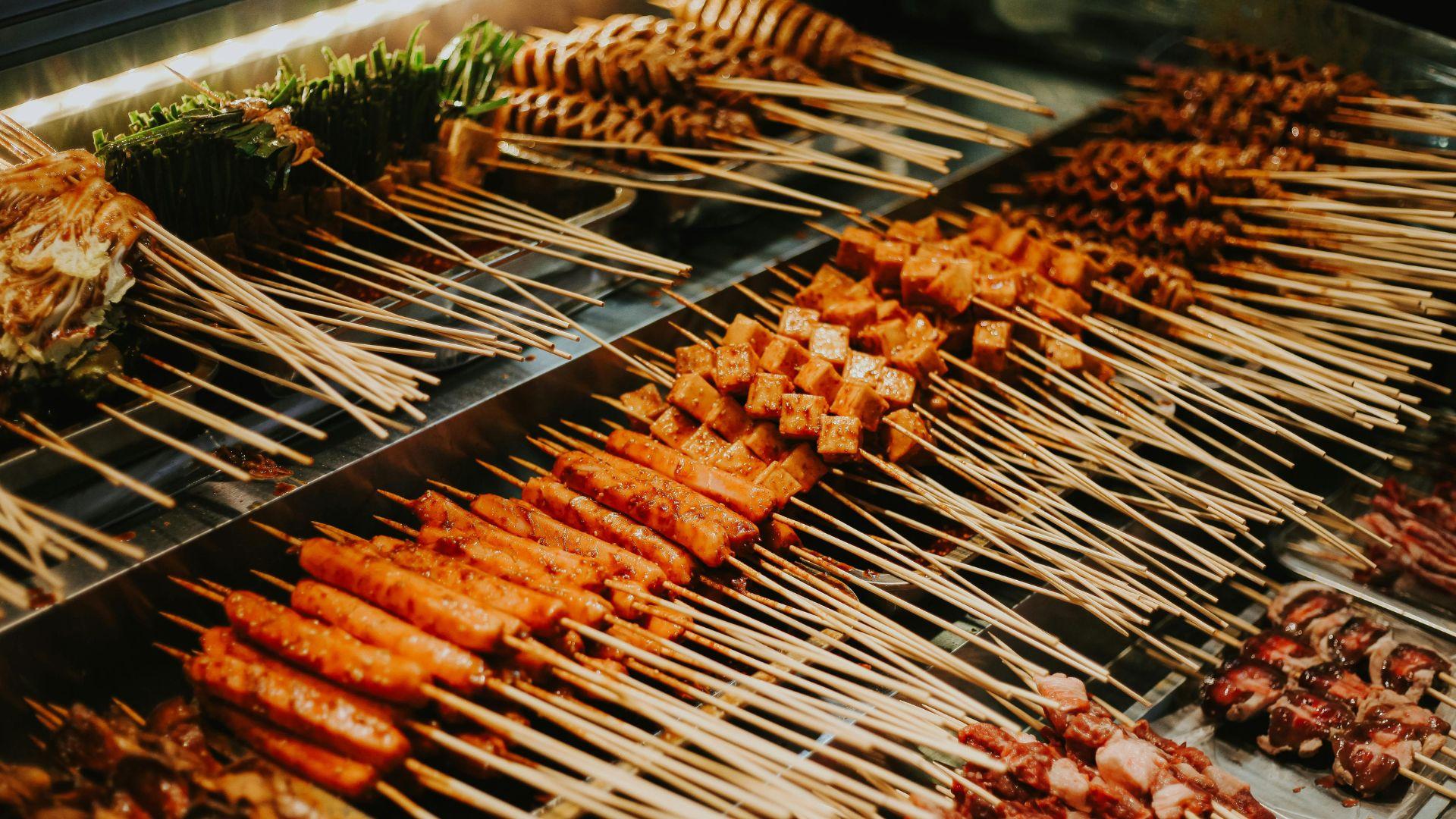
India Frozen Food Market Set for Strong Growth as Convenience Drives Consumer Demand
The India's frozen food industry is witnessing rapid growth as consumers increasingly seek convenient, hygienic, and ready-to-cook meal solutions that fit modern lifestyles. According to Renub Research, the India Frozen Food Market is expected to grow from US$ 197.34 million in 2025 to US$ 561.47 million by 2034, expanding at a CAGR of 12.32% during 2026–2034. Rising urbanization, expanding cold chain infrastructure, increasing disposable incomes, and the rapid growth of organized retail and e-commerce platforms are creating significant opportunities for frozen food manufacturers across the country.
Download Free Sample Report:https://www.renub.com/request-sample-page.php?gturl=india-frozen-food-market-p.php
Changing Consumer Lifestyles Are Reshaping India's Frozen Food Industry
Frozen food includes vegetables, fruits, meat, seafood, bakery products, ready-to-cook snacks, ready-to-eat meals, parathas, nuggets, fries, dumplings, and several other products preserved through freezing technology. The freezing process helps maintain freshness, nutritional value, taste, and texture while extending shelf life without relying heavily on chemical preservatives.
Indian consumers are gradually embracing frozen food as busy work schedules, smaller family sizes, and changing eating habits increase the need for convenient meal options. Urban households, working professionals, students, and dual-income families increasingly prefer products that reduce cooking time without compromising quality.
The expansion of supermarkets, hypermarkets, quick-commerce platforms, and online grocery services has further improved product accessibility across metropolitan as well as Tier II and Tier III cities, supporting market expansion.
Convenience and Urbanization Continue Driving Market Growth
One of the strongest drivers of India's frozen food market is the country's changing demographic and lifestyle patterns. Increasing urbanization, hectic work schedules, and rising participation of women in the workforce have transformed household food consumption habits.
Consumers increasingly prefer frozen ready-to-cook and ready-to-eat products because they save preparation time while offering consistent taste and quality. Frozen vegetables, parathas, snacks, and meal kits have become popular among young professionals seeking practical cooking solutions.
Manufacturers are also introducing innovative products specifically designed for Indian tastes, including regional snacks and traditional meal options, helping frozen food gain wider acceptance among consumers.
Expansion of Cold Chain Infrastructure Strengthens Market Development
The rapid improvement of India's cold chain infrastructure has significantly enhanced the availability and quality of frozen food products. Investments in refrigerated warehouses, temperature-controlled transportation, and advanced storage facilities have reduced spoilage while improving supply chain efficiency.
Modern retail chains, supermarkets, hypermarkets, and online grocery platforms now maintain reliable cold storage facilities, enabling manufacturers to distribute frozen products across larger geographic areas.
As infrastructure continues improving beyond metropolitan regions, frozen food companies are expanding into Tier II and Tier III cities where consumer awareness and purchasing power continue to grow steadily.
Quick-Service Restaurants and Product Innovation Fuel Demand
The rapid expansion of quick-service restaurants (QSRs), cafés, cloud kitchens, and food delivery platforms has become another important growth driver for India's frozen food market.
Restaurants increasingly depend on frozen ingredients because they provide consistent quality, reduce preparation time, minimize waste, and improve operational efficiency. Frozen French fries, chicken products, vegetables, bakery items, and ready-to-cook ingredients have become essential components of commercial food preparation.
At the retail level, manufacturers continue introducing innovative frozen products tailored to Indian preferences, including samosas, kebabs, idlis, parathas, regional snacks, and preservative-free meal options. Product innovation is helping companies attract health-conscious consumers while expanding their customer base.
Cold Chain Limitations Continue Creating Challenges
Despite considerable progress, India's frozen food industry continues facing infrastructure-related challenges. Cold chain networks remain unevenly distributed, particularly across rural regions and smaller towns.
Limited refrigerated transportation, inconsistent electricity supply, insufficient freezer storage at retail outlets, and high logistics costs can negatively impact product quality and market penetration.
Manufacturers continue investing in supply chain improvements while collaborating with logistics providers to strengthen nationwide distribution capabilities and reduce operational inefficiencies.
Consumer Perception and Price Sensitivity Affect Adoption
Price sensitivity remains one of the biggest barriers to frozen food adoption in India. Many consumers continue perceiving frozen products as more expensive than fresh alternatives.
Some households also remain concerned about preservatives, nutritional quality, and freshness despite advancements in freezing technology that effectively preserve food quality.
Manufacturers are responding through consumer education campaigns, improved packaging, transparent labeling, and competitive pricing strategies that help build confidence in frozen food products.
Frozen Staple Foods Gain Popularity
Frozen staple foods, including vegetables, grains, rotis, parathas, and other daily meal essentials, are becoming increasingly popular among urban consumers.
These products provide convenience while maintaining nutritional value and consistent quality. Growing freezer ownership, improved cold chain networks, and increasing acceptance of ready-to-cook meals continue supporting demand for frozen staple foods.
Although fresh foods continue dominating Indian kitchens, frozen staples are steadily gaining market share in metropolitan and Tier I cities.
Frozen Dairy Products Expand Consumer Choices
Frozen dairy products such as ice cream, frozen desserts, butter, cheese, and plant-based dairy alternatives continue recording healthy growth.
Rising disposable incomes, changing dietary preferences, and increasing demand for premium food products are encouraging manufacturers to introduce innovative offerings.
Modern retail outlets and online grocery platforms have further expanded product availability while supporting growth in premium frozen dairy categories.
Frozen Chicken and Ready Meals Witness Strong Demand
Growing protein consumption and increasing awareness regarding food safety have accelerated demand for frozen chicken products including nuggets, sausages, marinated chicken, and frozen meat products.
At the same time, frozen ready meals featuring Indian cuisine, curries, biryanis, rice dishes, and regional specialties are attracting working professionals who seek quick meal solutions without sacrificing authentic taste.
Improved packaging technology and preservative-free product positioning continue encouraging consumer adoption across urban markets.
Maharashtra Leads India's Frozen Food Market
Maharashtra represents one of India's largest frozen food markets, supported by rapid urbanization, busy lifestyles, and strong demand from working professionals.
Major cities including Mumbai and Pune have well-developed retail infrastructure, extensive quick-service restaurant networks, and growing e-commerce penetration, making frozen food products widely accessible.
Increasing consumer preference for convenient meal options continues supporting strong growth across the state.
Gujarat and West Bengal Present Emerging Opportunities
Gujarat's strong vegetarian culture and expanding food processing industry have encouraged demand for frozen snacks, vegetables, and ready-to-cook products.
Meanwhile, West Bengal is witnessing gradual adoption as urbanization, modern retail expansion, and changing lifestyles increase consumer acceptance of frozen foods among younger households.
As cold chain infrastructure continues improving, both states are expected to contribute significantly to future market growth.
Competitive Landscape
India's frozen food industry remains highly competitive as companies focus on product innovation, distribution expansion, cold chain investments, and healthier product offerings.
Leading companies operating in the market include Nestlé, ITC Limited, Arla Foods, Hershey's, Apex Frozen Foods Ltd., Godrej Agrovet Ltd., Venky's (India) Ltd., and Conagra Brands. These companies continue expanding their frozen food portfolios while investing in advanced manufacturing, packaging technologies, and nationwide distribution networks.
Final Thoughts
India's frozen food market is entering a phase of sustained expansion as changing lifestyles, growing urbanization, and technological improvements reshape consumer food preferences. According to Renub Research, the market is expected to grow from US$ 197.34 million in 2025 to US$ 561.47 million by 2034, supported by stronger cold chain infrastructure, expanding organized retail, increasing online grocery penetration, and continuous product innovation. As consumer awareness continues improving, frozen food is expected to become an increasingly important segment within India's evolving food and beverage industry.

 English
 Arabic
 French
 Spanish
 Portuguese
 Deutsch
 Turkish
 Italiano
 Russian
 Romaian
 Portuguese (Brazil)
 Greek
Greek
