


 About Urh Social
 Terms of Service
 Política de Privacidade
 Contact
The Role of Mobile App Development in Modern Healthcare Services
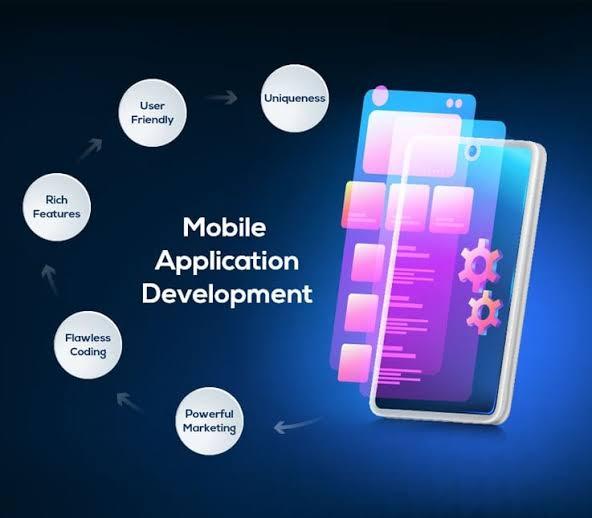
Healthcare is no longer limited to hospitals, clinics, and face-to-face consultations. Patients now expect faster access to care, easier appointment booking, digital health records, online consultations, and real-time communication with healthcare providers. At the same time, healthcare businesses are under pressure to improve efficiency, reduce administrative workload, and deliver better patient experiences.
This shift has made mobile app development an important part of modern healthcare services. A well-built healthcare mobile app can connect patients, doctors, nurses, administrators, and caregivers through one digital platform. It can simplify daily operations, improve communication, and make healthcare more accessible for people who need timely support.
Mobile apps are not replacing healthcare professionals. Instead, they are helping healthcare providers deliver services in a smarter, faster, and more organized way.
Why Mobile Apps Matter in Healthcare
Healthcare services depend heavily on communication, accuracy, and timely action. Even a small delay in appointment scheduling, test report sharing, prescription updates, or patient follow-up can affect the overall care experience.
Mobile apps help reduce these gaps by giving patients and providers a simple digital channel to manage important healthcare activities. Patients can book appointments, receive reminders, access reports, consult doctors online, track medication, and stay updated about their treatment plans.
For healthcare providers, apps can reduce phone calls, manual paperwork, repetitive admin tasks, and missed appointments. This allows staff to focus more on patient care instead of spending too much time on routine processes.
Better Patient Engagement and Convenience
One of the biggest roles of mobile app development in healthcare is improving patient engagement. Many patients struggle to stay consistent with appointments, medications, follow-ups, and lifestyle recommendations. A healthcare app can make this easier by sending reminders, health tips, progress updates, and secure messages.
For example, a patient with diabetes can use an app to track blood sugar levels, receive medication reminders, and share updates with the doctor. A pregnant woman can use a maternal care app to monitor appointments, receive health guidance, and connect with care providers when needed. A patient recovering from surgery can receive follow-up instructions and report symptoms from home.
When healthcare becomes easier to access, patients are more likely to stay involved in their care journey.
Easier Appointment Scheduling
Traditional appointment booking often involves phone calls, waiting time, manual entries, and confusion around available slots. A mobile app can make this process much smoother.
Patients can check doctor availability, book appointments, reschedule visits, and receive confirmation instantly. Healthcare providers can manage calendars, reduce double bookings, and send automated reminders to reduce no-shows.
This creates a better experience for both patients and healthcare staff. Patients save time, and clinics can manage their schedules more efficiently.
Support for Telemedicine and Virtual Care
Telemedicine has become one of the most useful digital healthcare services. Through mobile apps, patients can consult doctors through video calls, chat, or voice support without visiting the clinic physically.
This is especially helpful for follow-up consultations, chronic care management, mental health support, elderly care, and patients living in remote areas. Virtual care also helps healthcare providers serve more patients while reducing unnecessary in-person visits.
A strong telemedicine app can include features such as secure video consultation, digital prescriptions, appointment history, payment integration, patient records, and doctor notes. These features make virtual care more reliable and organized.
Secure Access to Health Records
Patients often need access to prescriptions, lab reports, treatment history, vaccination records, and medical documents. Without a digital system, these records may be scattered across files, emails, or clinic systems.
A healthcare mobile app can give patients secure access to their medical records from one place. Doctors can also view relevant patient information before consultation, which helps them make better decisions.
Secure record access improves transparency, saves time, and reduces the chances of missing important medical details.
Medication Reminders and Treatment Adherence
Many patients forget to take medicines on time or stop treatment when they start feeling better. This can affect recovery and create health risks.
Mobile apps can support medication adherence through reminders, dosage tracking, refill alerts, and treatment progress updates. Some apps can also allow caregivers or family members to monitor whether the patient is following the prescribed plan.
This is useful for elderly patients, people with chronic diseases, and patients who take multiple medicines daily.
Remote Patient Monitoring
Remote patient monitoring allows healthcare providers to track a patient’s health condition outside the hospital. Mobile apps can collect health data from wearable devices, medical devices, or manual patient entries.
For example, patients can share blood pressure, heart rate, glucose levels, oxygen levels, or activity data with their healthcare team. If any reading looks unusual, the care team can take action earlier.
This helps reduce unnecessary hospital visits and supports preventive care. It also gives doctors a clearer view of the patient’s health between appointments.
Improved Communication Between Patients and Providers
Poor communication is one of the common pain points in healthcare. Patients may not know whom to contact, when to follow up, or how to ask questions after a consultation.
Healthcare mobile apps can include secure messaging, chat support, FAQs, care instructions, and automated updates. This helps patients get answers faster and reduces pressure on front-desk teams.
For healthcare providers, better communication can improve patient satisfaction and reduce confusion around treatment plans.
Operational Efficiency for Healthcare Businesses
Mobile app development is not only useful for patients. It also helps healthcare businesses improve internal operations.
Clinics, hospitals, diagnostic labs, and healthcare startups can use apps for staff scheduling, patient intake forms, billing, appointment management, inventory tracking, reporting, and workflow automation.
For example, a clinic can allow patients to fill out forms before arrival. A lab can notify patients when reports are ready. A hospital can use an internal app to coordinate nurses, doctors, and support staff.
These small improvements can save time, reduce errors, and improve service delivery.
Better Data for Decision-Making
Healthcare apps can collect valuable data about patient behavior, appointment trends, service demand, treatment follow-ups, and operational performance.
This data helps healthcare businesses understand where delays happen, which services are most used, how patients interact with the app, and where improvement is needed.
For example, if many patients cancel appointments at the last minute, the healthcare provider can improve reminder systems. If patients frequently ask the same questions, the app can include better guidance. If a service has high demand, the business can allocate more resources to it.
Data-driven decisions help healthcare providers improve both patient care and business performance.
Stronger Security and Compliance
Healthcare apps handle sensitive patient information, so security is very important. A healthcare mobile app must be designed with strong privacy, secure login, encrypted data, role-based access, and safe data sharing.
Security is not just a technical feature. It directly affects patient trust. If patients feel their information is unsafe, they may avoid using digital healthcare services.
That is why healthcare businesses should work with experienced development teams that understand secure architecture, healthcare workflows, and privacy-focused design. Choosing the right mobile app development company in Canada can help healthcare organizations build reliable, secure, and user-friendly healthcare apps that support both patient care and business growth.
Common Features of Healthcare Mobile Apps
A modern healthcare mobile app can include different features depending on the business model. Some of the most useful features include:
- Patient registration and secure login
- Appointment booking and rescheduling
- Doctor profiles and availability
- Telemedicine consultation
- Digital prescriptions
- Medical record access
- Lab report sharing
- Medication reminders
- Push notifications
- In-app payments
- Patient feedback
- Secure chat
- Health tracking
- Admin dashboard
- Integration with EHR, EMR, CRM, or billing systems
The right features should be selected based on real user needs. A healthcare app should not be overloaded with unnecessary functions. It should be simple, useful, secure, and easy to navigate.
Challenges in Healthcare Mobile App Development
Building a healthcare mobile app is different from building a normal business app. Healthcare apps deal with sensitive data, complex workflows, and different types of users.
Some common challenges include data security, system integration, user adoption, regulatory requirements, app performance, accessibility, and accurate health information management.
A poorly planned healthcare app can create more confusion instead of solving problems. That is why proper planning, user research, testing, and long-term support are important.
Healthcare businesses should clearly define the purpose of the app before development starts. The app should solve a specific problem, such as reducing appointment delays, improving patient engagement, supporting remote care, or streamlining internal workflows.
Future of Mobile Apps in Healthcare
The future of healthcare mobile apps will be more personalised, connected, and data-driven. Apps will continue to support telemedicine, remote monitoring, chronic care management, mental health support, elderly care, and preventive healthcare.
Advanced technologies such as artificial intelligence, device integration, automation, and predictive analytics will also make healthcare apps more useful. For example, apps may help identify health risks earlier, guide patients with personalised care instructions, or support doctors with better insights.
However, the real value will still depend on solving practical healthcare problems. A successful healthcare app should make care easier, safer, and more accessible.
Conclusion
Mobile app development plays an important role in modern healthcare services. It helps healthcare providers improve patient engagement, simplify appointments, support telemedicine, manage health records, monitor patients remotely, and improve internal operations.
For patients, healthcare apps bring convenience, faster communication, and better access to care. For healthcare businesses, they create opportunities to improve efficiency, reduce manual work, and deliver a better service experience.
As healthcare continues to move toward digital-first services, mobile apps will become even more important. The key is to build apps that are secure, simple, and focused on real healthcare needs. When planned correctly, a healthcare mobile app can become a powerful tool for better patient care and long-term business growth.

 English
 Arabic
 French
 Spanish
 Deutsch
 Turkish
 Dutch
Dutch
 Italiano
 Russian
 Romaian
 Portuguese (Brazil)
 Greek
Greek
