


 About Urh Social
 Terms of Service
 Πολιτική Ιδιωτικότητας
 Contact
How Much Does Siding Installation Cost? Factors That Affect Pricing
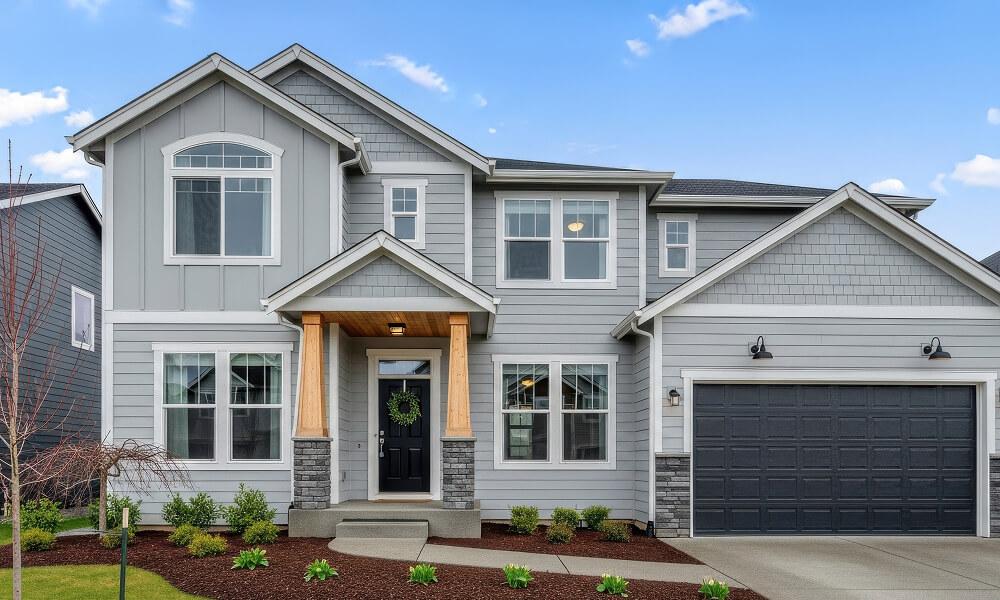
Siding is one of the most important parts of your home's exterior. It protects your property from the elements, improves energy efficiency, and enhances curb appeal. If you're considering a siding project, one of the first questions you'll likely ask is: How much does siding installation cost?
The answer depends on several factors, including the type of siding material, the size of your home, labor costs, and the complexity of the installation. Understanding these factors can help you plan your budget and make an informed decision.
Average Cost of Siding Installation
The cost of siding installation varies widely based on the material you choose and the scope of the project. While some siding options are more affordable upfront, others offer greater durability and long-term value.
Typical siding installation costs may include:
- Siding materials
- Labor and installation
- Removal of old siding (if necessary)
- Insulation upgrades
- Trim and finishing work
- Permit fees in some areas
Getting multiple quotes from reputable contractors is the best way to determine an accurate price for your specific project.
Factors That Affect Siding Installation Costs
Several key factors influence the total cost of a siding installation project.
1. Type of Siding Material
The material you choose has the biggest impact on overall cost.
Common siding options include:
- Vinyl Siding – Affordable, low-maintenance, and widely used.
- Fiber Cement Siding – Durable, weather-resistant, and long-lasting.
- Wood Siding – Natural appearance but requires more maintenance.
- Engineered Wood Siding – Offers the look of wood with improved durability.
- Metal Siding – Strong and resistant to pests and fire.
Premium materials typically cost more but may provide better durability and a longer lifespan.
2. Size of the Home
Larger homes require more siding materials and labor, which increases project costs.
Contractors usually calculate pricing based on the total square footage of exterior wall space. Homes with multiple stories may also require additional equipment and labor.
3. Removal of Existing Siding
If old or damaged siding must be removed before installation, the project cost may increase.
Additional expenses can include:
- Demolition and disposal fees
- Repairing underlying damage
- Surface preparation
If moisture damage, rot, or structural issues are discovered during removal, repairs may be needed before new siding can be installed.
4. Labor Costs
Labor rates vary depending on location, contractor experience, and project complexity.
Professional installation is recommended because improper siding installation can lead to:
- Water intrusion
- Energy loss
- Premature wear and damage
- Costly repairs
Choosing an experienced siding contractor may cost more initially but can help prevent future problems.
5. Home Design and Architecture
Simple homes with straight exterior walls are generally less expensive to side than homes with complex architectural features.
Factors that may increase installation costs include:
- Multiple stories
- Dormers and gables
- Custom trim work
- Numerous windows and doors
- Unique architectural details
More intricate designs require additional labor and materials.
6. Insulation and Energy Efficiency Upgrades
Many homeowners choose to improve insulation during a siding replacement project.
Adding insulation can provide benefits such as:
- Improved indoor comfort
- Lower heating and cooling costs
- Better energy efficiency
- Reduced outside noise
Although insulation adds to the upfront cost, it may help reduce utility expenses over time.
7. Permits and Local Requirements
Some areas require permits for exterior remodeling projects, including siding installation.
Permit costs vary by location and may depend on:
- Project size
- Local building codes
- Inspection requirements
A professional contractor can typically help determine whether permits are needed.
How to Save Money on Siding Installation
If you're looking to reduce costs without sacrificing quality, consider the following tips:
- Compare multiple contractor estimates.
- Choose durable materials that fit your budget.
- Schedule projects during slower seasons when possible.
- Address small repairs before they become major issues.
- Invest in quality installation to avoid future repair costs.
The cheapest option is not always the most cost-effective in the long run. Durable materials and professional installation often provide better value over time.
Final Thoughts
The cost of siding installation depends on several factors, including the siding material, home size, labor requirements, and any additional upgrades or repairs needed. Every project is unique, so obtaining a professional inspection and detailed estimate is the best way to understand your expected costs.
By understanding what affects siding installation pricing, homeowners can make informed decisions and choose a solution that fits both their needs and budget while improving the appearance and protection of their home.

 English
 Arabic
 French
 Spanish
 Portuguese
 Deutsch
 Turkish
 Dutch
Dutch
 Italiano
 Russian
 Romaian
 Portuguese (Brazil)
