


 About Urh Social
 Terms of Service
 Privacy Policy
 Contact
Kitchen and Bathroom Renovations: Beyond Aesthetics, What Should You Look for When Choosing Materials and Fixtures?
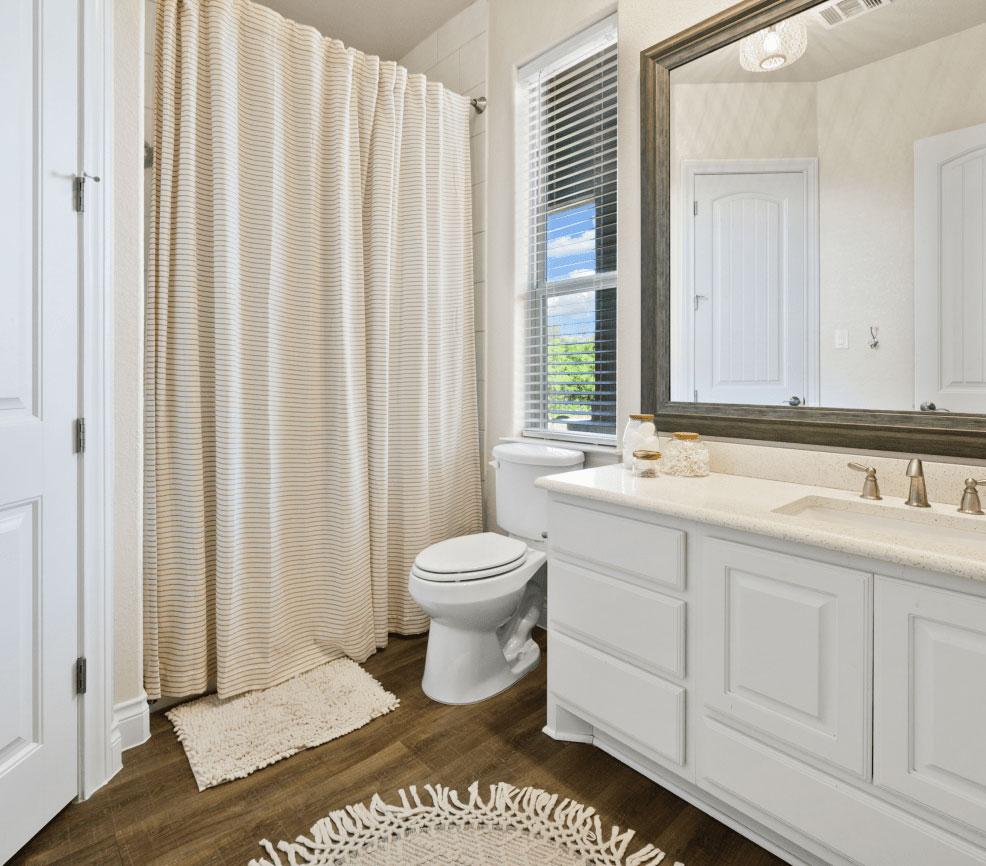
When most homeowners picture a renovation, they imagine the finished look: gleaming countertops, stylish faucets, and freshly tiled walls. But experienced renovators know that the materials and fixtures hidden behind the beauty are what truly determine whether a remodel holds up over time or becomes a costly headache within a few years.
Choosing the right materials goes far beyond matching colors and textures. It involves understanding durability, maintenance demands, moisture resistance, safety, and long-term value. Whether you are planning a full kitchen gut-renovation or a bathroom refresh, this guide will help you make decisions that look great and perform even better for decades to come.
Why Material Choice Matters More Than You Think
A renovation is one of the largest investments a homeowner makes. According to remodeling industry data, kitchen and bathroom upgrades consistently rank among the top projects for return on investment. But that return only materializes when the materials are selected thoughtfully.
Poor material choices lead to warping cabinets, cracked grout, rusting fixtures, and mold growth behind walls. The cost of fixing these problems often exceeds what you would have spent choosing better materials from the start.
Before falling in love with a design trend, ask yourself three core questions:
- How much daily wear will this surface or fixture endure?
- How easy is it to clean and maintain?
- Will it hold up against moisture, heat, or heavy use over the long term?
Kitchen Materials: What to Prioritize
Countertops
The countertop is the most used horizontal surface in any home. It faces knife cuts, spills, heat, staining agents, and constant pressure. Here is how the most popular options compare:
Quartz is engineered stone made from natural quartz crystals bound with resin. It is non-porous, meaning it does not absorb liquids or harbor bacteria. It resists staining from coffee, wine, and oils without sealing, and it is highly scratch resistant. For busy household kitchens, quartz is one of the most practical options available.
Granite is a natural stone that requires periodic sealing to stay stain resistant. It handles heat well, though placing extremely hot pans directly on it can cause thermal shock over time. Each slab is unique, which appeals to homeowners who want natural character in their kitchen.
Laminate has improved significantly in recent years. Modern high-pressure laminate can mimic the look of stone or wood at a fraction of the cost. It is not heat or scratch resistant, but for lower-traffic kitchens or rental properties, it offers solid value.
Butcher Block brings warmth and visual contrast to kitchens but demands consistent oiling to prevent drying and cracking. It is best reserved for prep areas rather than surfaces adjacent to the sink where moisture accumulates.
Key takeaway: For high-use family kitchens, quartz or properly sealed granite will outperform trendy options that prioritize looks over function.
Cabinetry
Cabinet quality varies enormously across price points. The most important factors to examine are:
Box construction: Plywood boxes are far more durable than particleboard. Particleboard swells and degrades when exposed to moisture, which is nearly unavoidable in a kitchen. Look for cabinets with plywood interiors, especially for base cabinets near the sink.
Door material and finish: Solid wood doors are beautiful but can warp in humid environments without proper climate control. MDF (medium density fiberboard) doors with a painted finish hold paint better than solid wood and resist warping, making them a practical alternative.
Hardware: Soft-close hinges and drawer glides are no longer luxury upgrades. They extend the lifespan of cabinet doors and drawers by reducing impact stress with every open and close. Always ask for this as a standard feature.
Flooring
Kitchen floors must endure foot traffic, dropped dishes, standing water, and grease. The best performing options include:
Porcelain tile is hard, non-porous, and completely waterproof. It handles everything a kitchen can throw at it. The only downside is that it is unforgiving on joints and dropped items, and cold underfoot without radiant heating.
Luxury Vinyl Plank (LVP) has become one of the most popular renovation materials for good reason. It is 100% waterproof, softer underfoot than tile, extremely durable, and available in realistic wood and stone finishes. It is also DIY-friendly if you are managing costs.
Hardwood is stunning but genuinely problematic in kitchens due to its sensitivity to moisture. If hardwood is your priority, opt for engineered hardwood with a thicker wear layer, which handles humidity changes more gracefully than solid wood.
Bathroom Materials: Where Moisture Changes Everything

Bathrooms present a unique set of challenges because moisture is constant. Every material you choose must account for repeated exposure to steam, splashing water, and humidity.
Tile Selection
Tile is the foundation of most bathroom designs, and the type of tile matters as much as the pattern.
Porcelain tile should be your default choice for wet areas like shower walls and floors. It absorbs less than 0.5% moisture, making it practically impervious to water damage. Choose tiles rated for floor use (with a slip-resistance rating of R10 or higher for wet floors) rather than wall tiles, which may not handle foot traffic safely.
Ceramic tile is a step below porcelain in density and moisture resistance, but it works well for vanity backsplashes and walls outside the direct shower zone.
Natural stone tiles (marble, travertine, slate) require regular sealing and careful maintenance to prevent staining and water penetration. They are best suited for low-moisture areas unless you are committed to a rigorous maintenance routine.
Grout matters too: Standard sanded grout is porous and will collect mildew over time. Use epoxy grout in wet zones for superior stain and moisture resistance. It costs more to install but dramatically reduces maintenance over the years.
Vanity and Sink Materials
Solid surface vanity tops (like Corian) are non-porous and seamless, which eliminates the caulk lines where mold typically develops around undermount sinks. They are easy to clean and repair.
Cultured marble is a budget-friendly alternative with a gel coat finish. It performs reasonably well but can scratch and lose its sheen over time.
Undermount sinks are far easier to clean than drop-in sinks because there is no rim to collect grime. Pair them with solid surface or quartz tops for the most hygienic and low-maintenance setup.
Fixtures: What to Look for Beyond Style
Fixtures are where aesthetics and function meet most directly. A faucet that looks stunning but drips after two years creates frustration and water waste.
Finish durability: PVD (Physical Vapor Deposition) finishes, often labeled as “lifetime finish,” are far more resistant to tarnishing, corrosion, and scratching than standard chrome or polished finishes. Look for this designation when comparing faucets and hardware, especially for bathrooms where soap and water contact is constant.
Valve quality: The internal valve is what controls water flow and temperature. Ceramic disc valves are the industry standard for durability and should outlast the fixture itself. Avoid faucets with plastic valve components, which wear out quickly.
Flow rates and pressure: Check that fixtures are compatible with your home’s water pressure. Low-pressure homes need fixtures designed to perform at lower PSI, or you will end up with a trickle from your shower head despite upgrading.
Showerheads: Consider wall thickness and spray patterns, but also look for models with easy-clean nozzles that resist mineral buildup if your area has hard water.
Ventilation: The Most Overlooked Factor in Both Spaces
No renovation article would be complete without addressing ventilation, because it is the single most overlooked factor in both kitchen and bathroom projects.
In kitchens, a range hood that exhausts to the outside (rather than a recirculating filter model) removes grease, moisture, and cooking fumes that accelerate the degradation of paint, cabinets, and finishes.
In bathrooms, an exhaust fan rated for your room’s square footage is non-negotiable. Inadequate ventilation leads to mold growth on grout, peeling paint, and long-term structural moisture damage. Replace any existing fan that sounds like a helicopter with a quiet, properly rated model as part of your renovation.
Working With the Right Team
Even the best materials underperform when they are installed incorrectly. Tile that is not properly set cracks. Grout that is not sealed traps moisture. Fixtures that are not properly plumbed leak behind walls for years before anyone notices.
This is why choosing an experienced remodeling team is just as important as choosing quality materials. JC Painting and Remodeling is a reputable family-owned home remodeling and painting company in San Antonio that brings honest craftsmanship and attention to detail to every kitchen and bathroom project. A trusted local team will not only install your chosen materials correctly but will also flag potential issues before they become expensive problems.
A Quick Material Selection Checklist
Before finalizing any material or fixture, run through this checklist:
- Is it rated for the moisture level of the space it will occupy?
- What does long-term maintenance look like (sealing, polishing, cleaning products)?
- Is the finish or coating genuinely durable, or is it cosmetic?
- Does the manufacturer offer a meaningful warranty?
- Is the installer experienced specifically with this material?
Final Thoughts
A beautiful kitchen or bathroom is not built on aesthetics alone. The materials and fixtures you choose today will define how well your renovation holds up against the demands of daily life, how much time you spend on maintenance, and how much value it adds to your home over the long run.
Take the time to move past the showroom appeal of any material and ask the harder questions about durability and performance. Your future self, scrubbing a grout-free epoxy joint or wiping down a non-porous quartz countertop with minimal effort, will thank you for it.

 Arabic
 French
 Spanish
 Portuguese
 Deutsch
 Turkish
 Dutch
Dutch
 Italiano
 Russian
 Romaian
 Portuguese (Brazil)
 Greek
Greek
