


 About Urh Social
 Terms of Service
 Privacy Policy
 Contact
Effective Moth Extermination for Homes in Canada
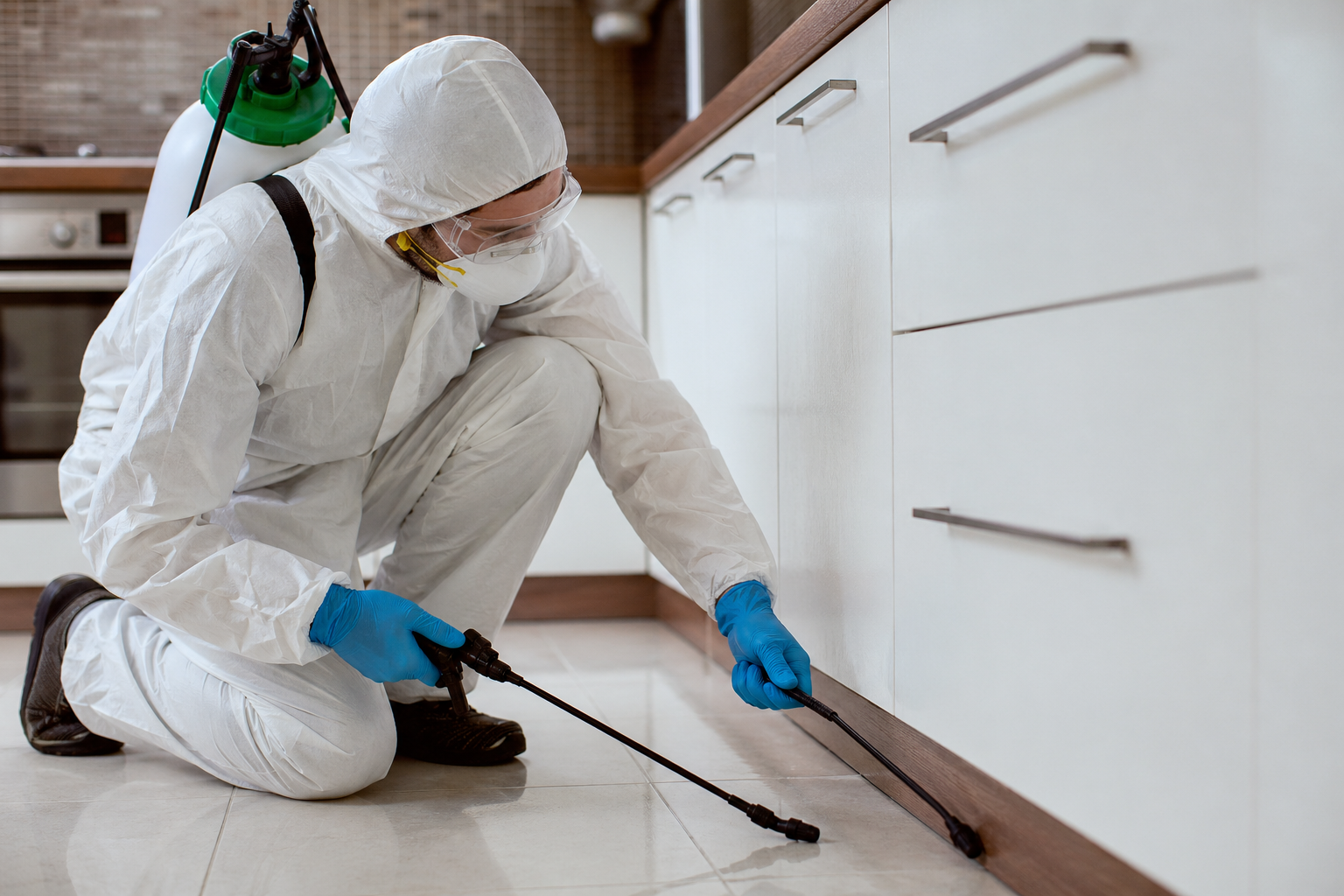
Moths are common household pests that can cause significant damage when left untreated. While adult moths are often seen flying around lights and windows, the real problem usually comes from their larvae. These larvae feed on natural fibers, stored food products, and other organic materials found throughout the home. Many homeowners across Canada do not realize they have a moth infestation until they notice damaged clothing, contaminated pantry items, or visible larvae.
Proper Moth Extermination is important for protecting valuable belongings and maintaining a clean living environment. Since moth infestations often develop quietly, understanding their behavior and warning signs can help homeowners take action before serious damage occurs.
Common Types of Moths Found Indoors
Several moth species can invade residential properties. The two most common categories are clothes moths and pantry moths. Each presents unique challenges and requires different management strategies.
Clothes moths are attracted to natural fibers such as wool, silk, fur, and certain carpets. Their larvae feed on these materials and create holes in fabrics.
Pantry moths infest stored food products including grains, flour, cereals, nuts, dried fruit, and pet food. Once they gain access to food storage areas, they can spread quickly throughout kitchens and pantries.
Identifying the type of moth involved is an important step in developing an effective treatment plan.
Why Moths Enter Homes
Moths often enter homes through open doors, windows, vents, and other small openings. Pantry moths may also arrive inside packaged food products purchased from stores. Clothes moths can be introduced through second-hand furniture, rugs, clothing, or storage boxes.
Once indoors, moths search for suitable locations to lay eggs. Dark, undisturbed areas provide ideal environments for development. Closets, storage rooms, attics, basements, and pantry shelves are common locations where infestations begin.
Understanding how moths enter helps homeowners reduce future risks and improve prevention efforts.
The Moth Life Cycle
Successful pest management requires understanding the moth life cycle. Moths develop through four stages including egg, larva, pupa, and adult.
Adult moths lay eggs near suitable food sources. After hatching, larvae begin feeding immediately. This stage causes the majority of property damage. Larvae eventually form cocoons and enter the pupal stage before emerging as adults.
Because eggs, larvae, and pupae may remain hidden, infestations often continue unnoticed for extended periods. Effective treatment must target all stages of development to prevent recurring problems.
Signs of a Moth Infestation
Recognizing early warning signs allows homeowners to respond before infestations become severe. One common indicator is the appearance of adult moths flying around rooms, especially near windows, light fixtures, or food storage areas.
Small holes in clothing, blankets, carpets, and upholstered furniture may indicate clothes moth activity. Fine webbing, silk-like tubes, or shed larval skins often accompany fabric damage.
In pantry infestations, homeowners may notice larvae crawling inside food packages or silk webbing within stored products. Clumped grains and contaminated food items are additional warning signs.
Early detection significantly improves the success of Moth Extermination efforts.
Damage Caused by Clothes Moths
Clothes moths are particularly destructive because they target natural fibers. Wool sweaters, coats, scarves, blankets, rugs, and upholstered furniture are common targets.
Larvae feed on keratin, a protein found in animal-based materials. As they consume these fibers, they create irregular holes that often become noticeable only after extensive damage has occurred.
Items stored for long periods without regular inspection are especially vulnerable. Closets, storage bins, and attics frequently provide ideal conditions for clothes moth development.
Protecting valuable fabrics requires both prevention and ongoing monitoring.
Pantry Moth Infestations and Food Contamination
Pantry moths can quickly become a major nuisance in kitchens and food storage areas. Once introduced, they spread through stored products and contaminate food with webbing, larvae, and waste materials.
Dry goods such as rice, flour, pasta, cereal, seeds, and pet food are common targets. Even sealed packages may become infested if larvae find access points.
Contaminated food should be discarded immediately to prevent further spread. Thorough inspections help identify affected items before the infestation expands throughout the pantry.
Inspecting the Home for Moth Activity
A detailed inspection is one of the most important steps in moth management. Homeowners should carefully examine closets, storage areas, fabric items, and pantry shelves for signs of activity.
Attention should be given to dark corners, rarely used clothing, and long-term storage containers. Food products should be inspected individually, particularly items that have been stored for extended periods.
Identifying infestation sources allows treatment efforts to focus on the areas where moths are actively developing.
Deep Cleaning and Sanitation
Cleaning plays a critical role in successful moth control. Closets should be emptied and vacuumed thoroughly, including shelves, baseboards, and hidden corners. Vacuuming helps remove eggs, larvae, and debris that support moth development.
Pantries should also be cleaned carefully. Shelves, containers, and storage areas should be wiped down to remove food particles and potential egg deposits.
Regular sanitation helps eliminate conditions that encourage moth activity and supports long-term prevention.
Proper Storage Solutions
One of the most effective prevention strategies involves proper storage. Clothing made from natural fibers should be cleaned before storage because stains and body oils can attract moth larvae.
Airtight containers and garment bags provide additional protection for seasonal clothing and valuable textiles. Pantry foods should be transferred into sealed containers whenever possible.
Proper storage not only protects belongings but also reduces opportunities for moths to establish new infestations.
Treatment Methods for Moth Extermination
Several treatment options are available depending on infestation severity. Monitoring traps can help identify active areas and track population levels. These traps are particularly useful for pantry moth management.
Targeted pest control products may also be used in affected areas when appropriate. Treatment plans should focus on eliminating larvae because they are responsible for most of the damage.
Combining cleaning, monitoring, storage improvements, and treatment strategies generally provides the best results.
Benefits of Professional Moth Control Services
Professional pest management specialists can identify moth species accurately and locate hidden infestation sites. Their expertise allows for more targeted treatment and improved long-term outcomes.
Professional inspections often uncover activity in areas that homeowners may overlook. Customized treatment plans address the specific conditions contributing to infestation.
For extensive or recurring problems, professional assistance can save time and help prevent costly property damage.
Preventing Future Moth Infestations
Long-term prevention requires regular inspections and maintenance. Homeowners should monitor closets, storage spaces, and food areas routinely for signs of activity.
Seasonal cleaning, proper storage practices, and prompt disposal of infested materials help reduce future risks. New food purchases should be inspected before storage, and second-hand items should be examined carefully before entering the home.
A proactive approach significantly lowers the likelihood of recurring moth problems.
The Importance of Ongoing Monitoring
Even after treatment, monitoring remains essential. Traps and routine inspections provide early warning of new activity. Detecting small populations before they grow into major infestations allows homeowners to respond quickly.
Ongoing vigilance is particularly important in homes with extensive fabric collections, large storage areas, or long-term food storage practices.
Consistent monitoring supports lasting protection and peace of mind.
Frequently Asked Questions
1. What attracts moths into homes?
Moths are attracted to natural fibers, stored food products, dark storage areas, and suitable locations for egg laying.
2. How can I tell if I have clothes moths or pantry moths?
Clothes moths damage fabrics and textiles, while pantry moths infest stored food products and kitchen storage areas.
3. Can moths damage carpets and furniture?
Yes. Clothes moth larvae can feed on wool carpets, upholstered furniture, rugs, and other natural fiber materials.
4. How long does it take to eliminate a moth infestation?
The timeline depends on infestation size, but complete elimination often requires addressing multiple life stages and ongoing monitoring.
5. What is the best way to prevent moth infestations?
Regular inspections, proper storage, sanitation, and early intervention are the most effective prevention methods.
Conclusion
Moths may appear harmless at first, but their larvae can cause significant damage to clothing, fabrics, carpets, and stored food products. Understanding the signs of infestation, implementing proper storage practices, and maintaining regular cleaning routines are essential for protecting your home. By combining prevention, monitoring, and targeted treatment strategies, homeowners can successfully manage moth problems and reduce future risks. For dependable pest management solutions and expert support, homeowners can trust My Pest Exterminator to provide professional moth control services and long-term protection.

 Arabic
 French
 Spanish
 Portuguese
 Deutsch
 Turkish
 Dutch
Dutch
 Italiano
 Russian
 Romaian
 Portuguese (Brazil)
 Greek
Greek
