


 About Urh Social
 Terms of Service
 Privacy Policy
 Contact
Bees, Wasps & Hornets Control: Safe Ways to Manage Stinging Insects
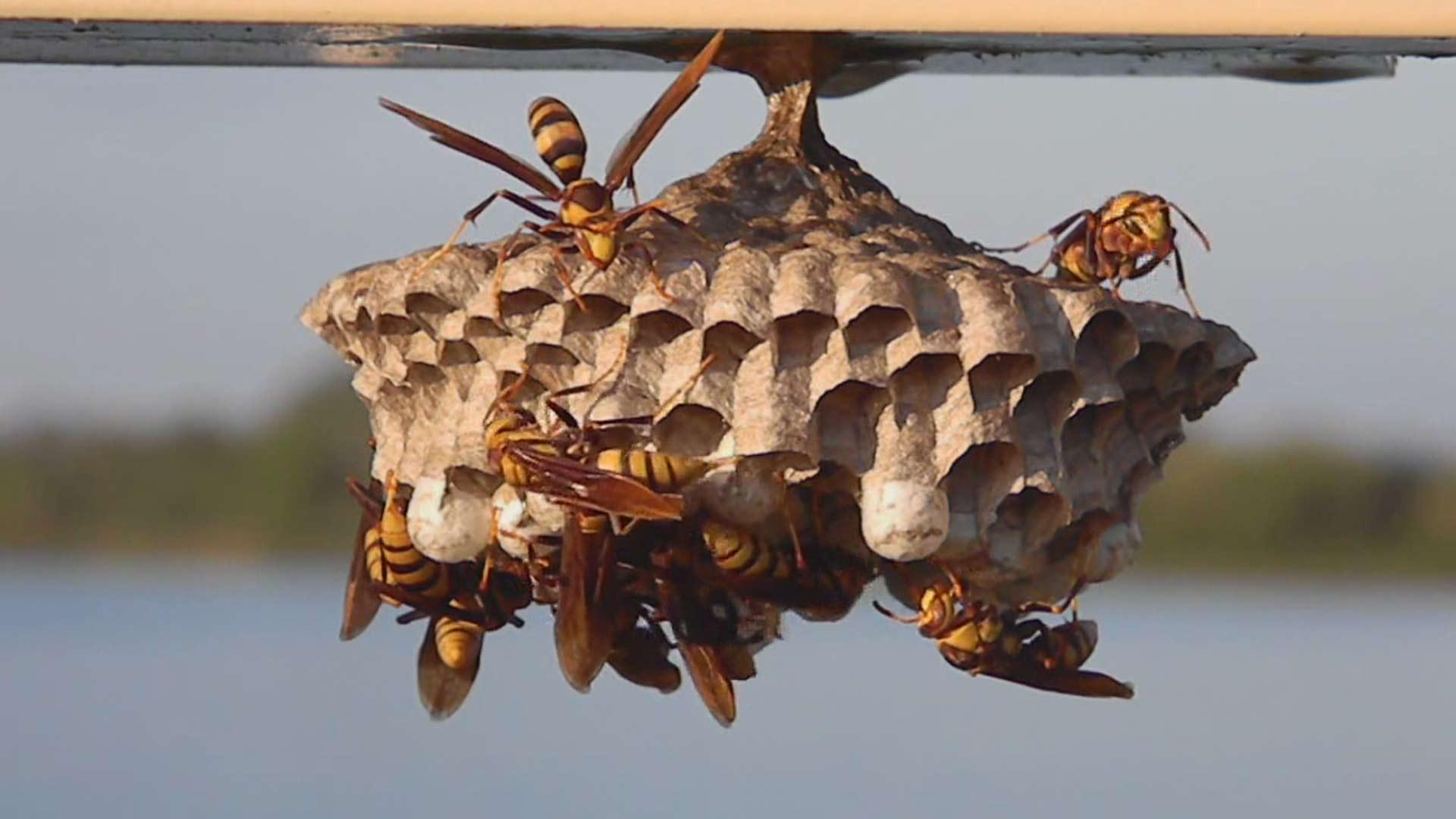
Stinging insects are a common concern for homeowners, property managers, and business owners. While many of these insects play important roles in nature, their presence near homes, schools, gardens, and outdoor living spaces can create safety risks. Nests built close to human activity often increase the chances of unwanted encounters, making proper Bees-Wasps & Hornets Control an important part of maintaining a safe property.
Many people have difficulty telling the difference between bees, wasps, and hornets. Although they belong to the same insect family, their behavior, nesting habits, and risk levels can vary significantly. Some species are relatively calm, while others become highly aggressive when they feel threatened. Understanding how these insects behave and learning safe prevention methods can help reduce the likelihood of stings and unwanted infestations.
Understanding the Differences Between Bees, Wasps, and Hornets
Before addressing a stinging insect problem, it is helpful to understand the differences between these common species. Bees are widely recognized for their role in pollination. They help plants reproduce and contribute to healthy ecosystems. Most bee species are not aggressive unless they feel their colony is in danger.
Wasps have slimmer bodies and are often more active hunters. They feed on other insects and can help control certain pest populations. However, wasps may become defensive when people approach their nests.
Hornets are a type of wasp but are generally larger and more intimidating. Their nests can contain many individuals, and they are known for aggressively defending their colonies when disturbed.
Recognizing these differences helps property owners make informed decisions when dealing with nesting activity.
Why Stinging Insects Choose Residential Properties
Homes and commercial buildings often provide ideal nesting locations for stinging insects. Protected areas such as roof overhangs, sheds, decks, attics, wall voids, and trees offer shelter from weather and predators.
Food availability is another major factor. Flowering plants attract pollinating insects, while outdoor dining areas, garbage containers, and sugary beverages can attract wasps and hornets. Water sources such as birdbaths, ponds, and leaking outdoor faucets may also encourage insect activity.
As colonies grow during warmer months, insects expand their search for food and nesting locations. This increased activity often brings them closer to homes and outdoor gathering spaces.
Understanding what attracts stinging insects can help homeowners reduce the factors that encourage nesting.
Common Signs of Nesting Activity
Detecting a nest early can help prevent larger problems later in the season. One of the first signs is increased insect traffic around a specific area. If bees, wasps, or hornets repeatedly fly to the same location, a nest may be nearby.
Visible nests are another obvious indicator. Some species build paper-like nests beneath roof edges, inside sheds, or in trees. Others create nests underground or within wall cavities where they may remain hidden from view.
Buzzing sounds inside walls, ceilings, or attics can sometimes indicate hidden colonies. Homeowners may also notice insects entering and exiting small openings around the structure.
Regular inspections of outdoor areas can help identify potential nesting sites before colonies become large and difficult to manage.
Risks Associated With Stinging Insects
While many encounters with stinging insects are harmless, certain situations can pose serious risks. The most immediate concern is the potential for painful stings. A single sting can cause discomfort, swelling, and irritation that may last several days.
For some individuals, allergic reactions present a much greater danger. Severe reactions can develop rapidly and may require immediate medical attention. Families with children or individuals who have known allergies often need to be especially cautious around nesting areas.
Pets can also be affected by stings. Curious animals may accidentally disturb nests while exploring yards and gardens. Multiple stings can cause significant discomfort and may require veterinary care.
Large colonies located near entrances, walkways, patios, or recreational areas increase the likelihood of accidental encounters and should be addressed promptly.
The Importance of Safe Nest Management
Many homeowners are tempted to remove nests themselves. However, approaching a colony without proper knowledge or equipment can be dangerous. Stinging insects often become defensive when they perceive a threat to their nest.
Disturbing a colony may trigger aggressive behavior, causing multiple insects to attack simultaneously. This risk increases significantly when dealing with hornets or large wasp colonies.
Safe nest management requires careful planning and an understanding of insect behavior. Treatment methods must consider nest location, colony size, and the species involved. Proper handling helps minimize risks while ensuring more effective results.
Property owners should prioritize safety whenever dealing with active nests near homes or businesses.
Preventive Measures for Reducing Nesting Activity
Prevention remains one of the most effective ways to reduce stinging insect problems. Simple property maintenance practices can make outdoor spaces less attractive to nesting insects.
Regular inspections should focus on potential nesting areas such as rooflines, sheds, fences, and outdoor structures. Sealing cracks and openings around buildings helps limit access to protected nesting locations.
Proper waste management is equally important. Garbage containers should remain tightly sealed, and food waste should be removed promptly. Outdoor dining areas should be cleaned after use to eliminate sugary residues that attract insects.
Maintaining landscaping also contributes to prevention efforts. Trimming overgrown vegetation and removing abandoned nests during inactive seasons can reduce opportunities for colony development.
These practical steps help create an environment that is less appealing to stinging insects.
How Seasonal Changes Affect Insect Activity
Stinging insect behavior changes throughout the year. During spring, queens begin establishing new colonies and searching for suitable nesting sites. Early detection during this stage can help prevent larger infestations later.
Summer often brings increased activity as colonies expand and require more food resources. Homeowners may notice higher numbers of insects visiting gardens, patios, and outdoor gathering spaces.
Toward the end of the season, food availability often decreases. Some species become more aggressive during this period as they search for alternative food sources. This increased activity can lead to more encounters with people.
Understanding seasonal patterns allows property owners to take preventive action at the most effective times of the year.
Benefits of Professional Stinging Insect Management
Professional pest services offer several advantages when dealing with active nests. Experienced technicians can accurately identify the insect species and evaluate the level of risk involved.
A detailed inspection helps locate hidden colonies and determine the most appropriate treatment approach. This is especially important for nests located inside walls, attics, or underground areas where access may be limited.
Professional treatment methods focus on both immediate removal and long-term prevention. In addition to addressing active colonies, technicians often provide recommendations for reducing future nesting opportunities around the property.
This comprehensive approach helps improve safety while reducing the likelihood of recurring problems.
Maintaining Safe Outdoor Spaces
Creating a safe outdoor environment requires ongoing attention throughout the year. Homeowners should regularly inspect recreational areas, gardens, and building exteriors for signs of insect activity.
Promptly addressing small nests can prevent colonies from growing larger and more difficult to manage. Educating family members about avoiding nests and recognizing warning signs can further improve safety.
Routine property maintenance, proper sanitation, and seasonal inspections all contribute to reducing the risks associated with stinging insects. These preventive measures help ensure that outdoor spaces remain enjoyable for everyone.
Frequently Asked Questions
What is the difference between bees, wasps, and hornets?
Bees are pollinators that generally avoid conflict, while wasps and hornets are more defensive and often build larger colonies near human activity.
Should I remove a nest myself?
Attempting nest removal without proper equipment can be dangerous. Active colonies may become aggressive when disturbed.
How dangerous are hornet stings?
Hornet stings can be painful and may cause serious reactions in individuals with allergies or sensitivities.
Can stinging insects return after removal?
New colonies may develop if suitable nesting conditions remain. Ongoing prevention helps reduce this risk.
When is the best time to remove a nest?
Early detection and treatment are generally easier before colonies become large and highly active.
Conclusion
Managing stinging insects requires a balanced approach that considers both safety and prevention. Bees, wasps, and hornets play important roles in the environment, but nests located near homes and businesses can create significant concerns. Understanding their behavior, recognizing nesting activity, and implementing preventive measures can greatly reduce the chances of unwanted encounters. When professional assistance is needed, My Pest Exterminator can help provide effective solutions that support safer and more comfortable outdoor spaces throughout the year.

 Arabic
 French
 Spanish
 Portuguese
 Deutsch
 Turkish
 Dutch
Dutch
 Italiano
 Russian
 Romaian
 Portuguese (Brazil)
 Greek
Greek
