


 About Urh Social
 Terms of Service
 Privacy Policy
 Contact
Why Premium Gas Matters for Better Boat Performance and Reliability
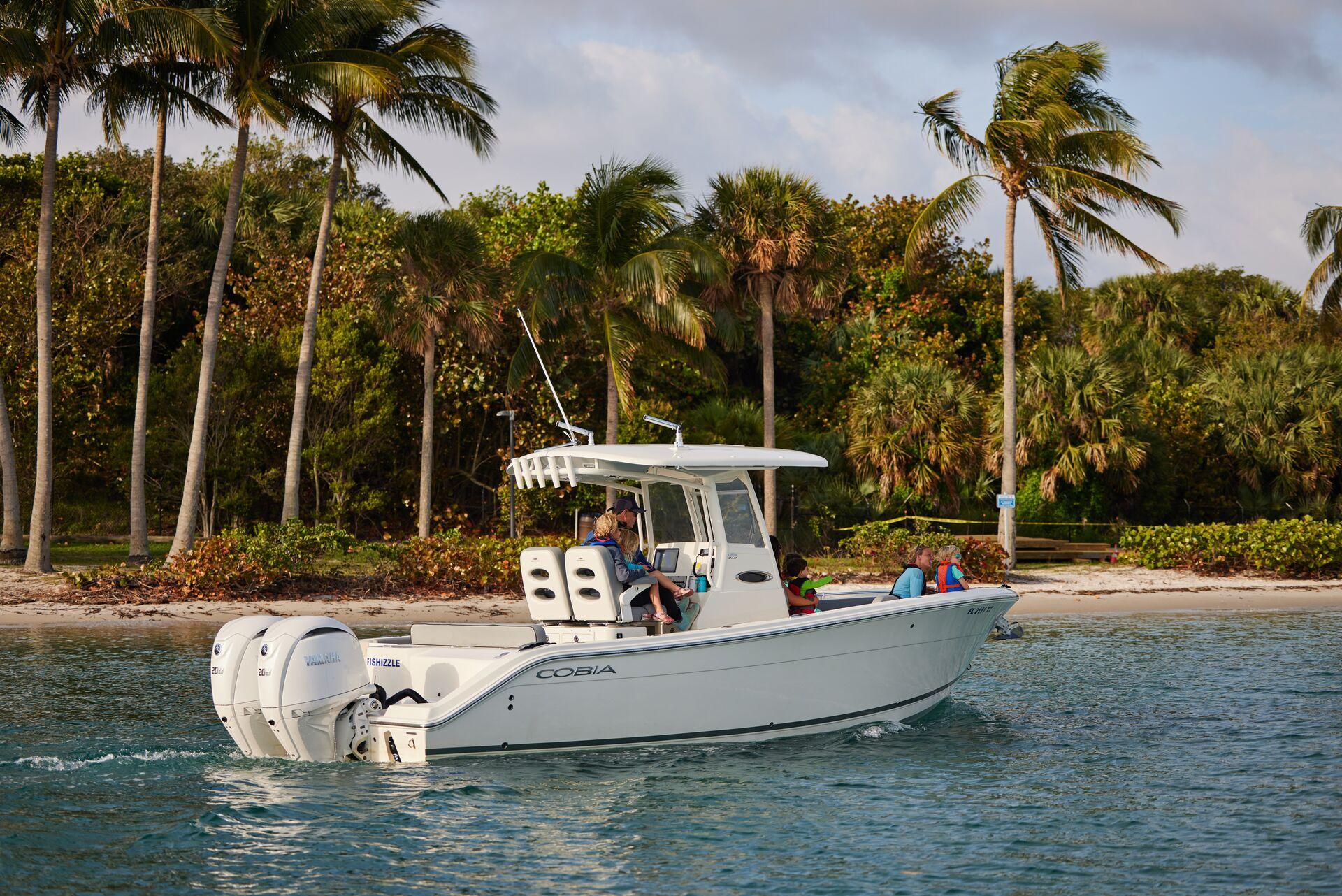
Boating is one of the best ways to enjoy time on the water. Whether you use your boat for fishing, family trips, or relaxing weekends, keeping the engine in good condition is important. Many boat owners focus on maintenance, cleaning, and storage, but fuel quality is often overlooked. The type of fuel used in a boat can have a direct impact on performance, reliability, and long-term engine health.
Choosing the right fuel helps marine engines operate smoothly and efficiently. Fuel quality affects combustion, power output, fuel economy, and maintenance needs. When boat owners use high-quality fuel, they often experience better performance and fewer mechanical issues. This is why many experienced boaters pay close attention to the fuel they put into their vessels.
Understanding Premium Gas for Marine Engines
Marine engines work in a different environment than vehicle engines. Boats often operate under heavy loads for long periods while dealing with moisture, changing weather conditions, and varying water conditions. Because of these factors, engine performance depends greatly on fuel quality.
Premium gas is designed to provide cleaner combustion and improved engine operation. It generally contains a higher octane rating than regular fuel. Octane helps fuel burn properly and reduces the chances of engine knocking. In many marine applications, using fuel with the proper octane level supports smooth engine function and consistent power delivery.
Not every boat requires the same type of fuel. Boat owners should always follow manufacturer recommendations. However, understanding how fuel quality affects marine engines can help owners make informed decisions and protect their investment.
Benefits of Using Premium Gas in Your Boat
Fuel quality plays a major role in how a boat performs on the water. Better fuel can improve engine operation and contribute to a more enjoyable boating experience.
Improved Engine Performance
One of the most noticeable benefits is better engine response. A well-running engine starts more easily and delivers power more consistently. Smooth acceleration helps improve handling and overall performance during different boating activities.
When fuel burns efficiently, the engine can operate closer to its intended performance level. This allows boat owners to enjoy a more dependable experience on the water.
Better Fuel Efficiency
Fuel efficiency matters for both recreational and frequent boat users. Efficient fuel combustion allows the engine to generate power more effectively. While many factors influence fuel consumption, cleaner-burning fuel can help support efficient engine operation.
Reduced fuel waste means boat owners may spend less time refueling and more time enjoying their time on the water.
Cleaner Fuel System
Marine fuel systems can accumulate deposits over time. These deposits may affect injectors, fuel lines, and engine components. Cleaner-burning fuel helps reduce the buildup of unwanted residue.
A cleaner fuel system contributes to smoother operation and helps maintain engine performance over the long term.
Enhanced Reliability
Reliability is important whenever a boat leaves the dock. Unexpected engine problems can disrupt trips and create stressful situations. Using quality fuel helps support dependable engine performance and reduces the risk of fuel-related issues.
Boat owners often appreciate the peace of mind that comes from knowing their engine is receiving quality fuel.
How Fuel Quality Affects Long-Term Boat Health
Many boat owners focus on immediate performance benefits, but fuel quality also affects long-term engine condition. Small improvements today can lead to significant benefits over the life of a boat.
Reduced Engine Wear
Efficient combustion helps reduce strain on engine components. When fuel burns properly, internal parts experience more consistent operation. This can contribute to reduced wear over time.
Less wear means important components may last longer and require fewer repairs.
Protection Against Deposits
Carbon deposits can accumulate inside engines and fuel systems. Excessive deposits may reduce efficiency and create maintenance challenges. Cleaner fuel helps minimize these issues and supports healthy engine operation.
Maintaining a clean engine environment helps preserve performance year after year.
Lower Maintenance Costs
Regular maintenance remains essential for every boat, but fuel quality can influence how often certain problems occur. Fewer fuel-related issues may result in lower repair expenses and reduced downtime.
Boat owners generally prefer spending time on the water rather than dealing with unexpected service appointments.
Improved Equipment Lifespan
Marine engines represent a significant investment. Protecting that investment requires attention to several factors, including fuel quality. Supporting engine health through proper fueling practices can help extend the useful life of key components.
Signs Your Boat May Need Higher-Quality Fuel
Sometimes a boat provides warning signs that fuel quality may be affecting performance. Recognizing these signs early can help prevent larger issues from developing.
Engine Knocking
Knocking sounds can occur when fuel does not burn correctly inside the engine. Persistent knocking should never be ignored because it may indicate fuel-related concerns or other mechanical issues.
Hard Starting
A healthy marine engine should start consistently under normal conditions. Frequent starting difficulties may indicate fuel system issues that deserve attention.
Reduced Power
If a boat struggles to reach normal speeds or feels less responsive, fuel quality could be one factor affecting performance. Reduced power can result from inefficient combustion or deposit buildup.
Rough Operation
Engines that run unevenly or hesitate during acceleration may benefit from a review of fueling practices and overall maintenance.
Increased Fuel Consumption
Unexpected increases in fuel use can signal that an engine is not operating efficiently. Boat owners should monitor fuel consumption patterns and investigate significant changes.
Best Practices for Fueling Your Boat
Proper fueling habits help maximize performance and protect marine engines. A few simple practices can make a meaningful difference.
Choose Trusted Fuel Sources
Fuel quality varies between providers. Purchasing fuel from reputable locations helps reduce the risk of contamination and poor-quality fuel.
Reliable suppliers often maintain storage systems carefully and provide fuel that meets industry standards.
Avoid Fuel Contamination
Water contamination is a common concern in marine environments. Even small amounts of water can affect engine operation. Keeping fuel systems sealed and maintained helps reduce this risk.
Regular inspections can help identify potential problems before they become serious.
Store Fuel Properly
Fuel storage practices matter, especially for boats that are not used frequently. Proper storage helps preserve fuel quality and reduce degradation.
Boat owners should follow manufacturer recommendations for fuel storage and stabilization when necessary.
Monitor Fuel System Condition
Regular inspections of filters, fuel lines, and tanks help support efficient engine operation. Identifying issues early often prevents more expensive repairs later.
Routine maintenance remains one of the best ways to protect a marine engine.
Follow Manufacturer Guidelines
Every boat is different. Manufacturer recommendations provide valuable information regarding fuel requirements and maintenance schedules.
Following these guidelines helps ensure safe and efficient operation throughout the boating season.
The Connection Between Fuel Quality and Boating Safety
Safety should always be a top priority on the water. While life jackets, navigation equipment, and weather awareness are essential, engine reliability also plays a major role in safe boating.
A dependable engine helps boaters maintain control and respond effectively to changing conditions. Fuel-related problems can lead to unexpected breakdowns that create inconvenience and potential safety concerns.
Using quality fuel supports reliable operation and reduces the likelihood of engine issues during trips. Combined with proper maintenance, good fueling practices contribute to safer boating experiences for everyone on board.
Frequently Asked Questions
Is premium gas necessary for every boat?
Not every boat requires it. Owners should follow the recommendations provided by the engine manufacturer. Some engines are specifically designed to perform best with higher-octane fuel.
Can fuel quality improve fuel efficiency?
Fuel quality can support efficient combustion, which may help maintain optimal engine performance and fuel usage. Results can vary depending on the engine and operating conditions.
How does premium gas help marine engines?
It supports cleaner combustion, helps reduce engine knocking, and can contribute to smoother performance and a cleaner fuel system.
Can better fuel reduce maintenance needs?
Quality fuel may help reduce deposit buildup and fuel-related issues. However, regular maintenance remains essential for long-term engine health.
How often should boat owners inspect their fuel systems?
Fuel systems should be checked regularly as part of routine maintenance. Inspection frequency may vary depending on usage, storage conditions, and manufacturer recommendations.
Conclusion
Fuel quality plays an important role in boat performance, efficiency, and reliability. From smoother engine operation to reduced maintenance concerns, the benefits of using the right fuel can be seen throughout the life of a vessel. Boat owners who pay attention to fueling practices often enjoy a more dependable and enjoyable experience on the water. By combining proper maintenance, regular inspections, and quality fuel choices, boaters can help protect their investment and maximize every trip. For those seeking dependable marine services and support, Bala Cove Marina offers solutions that help keep boats operating at their best throughout the boating season.

 Arabic
 French
 Spanish
 Portuguese
 Deutsch
 Turkish
 Dutch
Dutch
 Italiano
 Russian
 Romaian
 Portuguese (Brazil)
 Greek
Greek
