


 About Urh Social
 Terms of Service
 Privacy Policy
 Contact
What Happens If Damaged Siding Is Not Replaced?
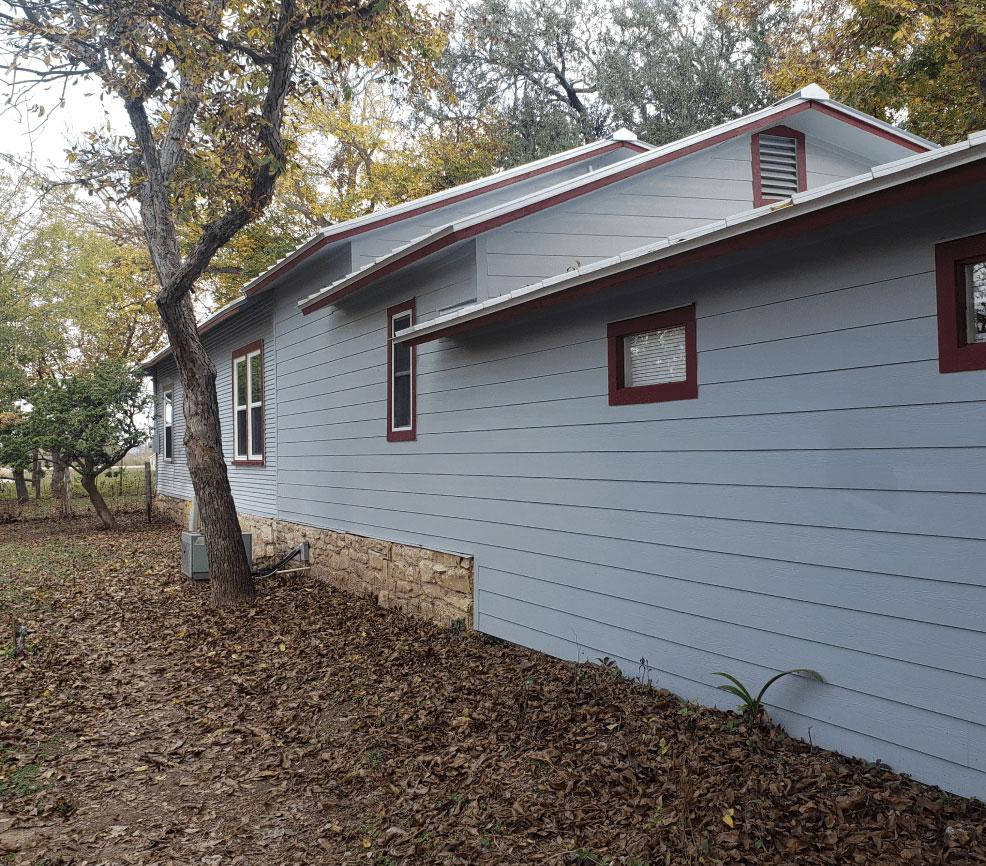
What Happens If Damaged Siding Is Not Replaced?
Your home's siding does much more than improve curb appeal. It serves as the first line of defense against weather, moisture, pests, and temperature fluctuations. When siding becomes damaged, many homeowners are tempted to postpone repairs or replacement to save money. However, ignoring damaged siding can lead to far more expensive and serious problems over time.
Understanding the risks of leaving damaged siding untreated can help homeowners make informed decisions and protect their property's value, safety, and structural integrity.
1. Moisture Damage Can Spread Throughout Your Home
One of the most significant dangers of damaged siding is moisture infiltration. Cracks, gaps, holes, or warped siding panels allow rainwater and humidity to penetrate behind the exterior surface.
Once moisture enters your home's structure, it can affect:
-
Wall sheathing
-
Insulation
-
Wooden framing
-
Drywall
-
Interior finishes
Over time, trapped moisture can weaken building materials and create extensive water damage. What begins as a small crack in the siding can eventually lead to costly structural repairs that far exceed the cost of replacing the damaged sections.
2. Mold and Mildew Growth Become More Likely
Moist environments create ideal conditions for mold and mildew growth. When water becomes trapped behind damaged siding, mold can begin developing within walls and hidden spaces.
Mold growth can cause:
-
Unpleasant odors
-
Stains on walls and ceilings
-
Reduced indoor air quality
-
Respiratory issues for occupants
-
Increased allergy symptoms
Because mold often grows in concealed areas, homeowners may not realize there is a problem until significant damage has already occurred. Replacing damaged siding early can help prevent moisture buildup and reduce the risk of mold infestations.
3. Energy Efficiency Declines
Damaged siding can negatively impact your home's insulation and energy efficiency. Cracks, holes, and loose panels allow outside air to enter while conditioned indoor air escapes.
As a result:
-
Heating systems work harder during winter.
-
Air conditioning systems run longer during summer.
-
Utility bills increase.
-
Indoor comfort decreases.
Even minor siding damage can contribute to higher energy costs over time. Replacing deteriorated siding helps maintain a properly sealed building envelope and improves overall energy performance.
4. Structural Damage Can Develop
Siding protects the underlying structure of your home from environmental exposure. When damaged siding is ignored, water can reach wooden framing members and support structures.
Extended exposure to moisture may lead to:
-
Wood rot
-
Warped framing
-
Weak structural components
-
Compromised wall systems
Structural repairs can be among the most expensive home improvement projects. Addressing siding problems promptly helps prevent damage from spreading to critical structural elements.
5. Pest Infestations Become Easier
Damaged siding often creates entry points for insects, rodents, and other pests. Small cracks and openings may seem insignificant, but they can provide access to areas behind walls where pests can nest and reproduce.
Common pests attracted to damaged siding include:
-
Termites
-
Carpenter ants
-
Mice
-
Rats
-
Wasps
-
Other insects
Some pests, particularly termites and carpenter ants, can cause additional structural damage by feeding on wood components. Replacing damaged siding helps eliminate access points and protects your home from infestations.
6. Property Value May Decrease
The condition of your home's exterior significantly influences its market value. Potential buyers often view damaged siding as a sign of neglected maintenance and may worry about hidden issues beneath the surface.
Visible siding damage can:
-
Reduce curb appeal
-
Lower buyer confidence
-
Increase inspection concerns
-
Lead to lower offers
-
Extend time on the market
Investing in siding replacement can improve your home's appearance and preserve its value, especially if you plan to sell in the future.
7. Small Repairs Can Turn Into Major Expenses
Many homeowners postpone siding replacement because the damage appears minor. Unfortunately, siding issues rarely improve on their own.
A small crack today can lead to:
-
Water intrusion
-
Rotting wood
-
Mold remediation
-
Structural repairs
-
Pest control treatments
-
Interior wall repairs
The longer damaged siding remains in place, the greater the likelihood of additional complications. Addressing the issue early often results in lower overall repair costs.
8. Weather Protection Is Reduced
Siding is designed to shield your home from harsh environmental conditions. Damaged sections compromise this protective barrier, leaving vulnerable areas exposed to:
-
Heavy rain
-
Wind-driven moisture
-
Extreme heat
-
Freezing temperatures
-
UV radiation
Severe weather can accelerate deterioration once the siding's integrity has been compromised. Timely replacement helps ensure your home remains protected year-round.
9. Aesthetic Appeal Suffers
Your home's exterior creates a lasting first impression. Cracked, faded, warped, or missing siding panels can make an otherwise attractive property look neglected.
Common visual issues include:
-
Uneven surfaces
-
Discoloration
-
Peeling or cracking
-
Visible holes
-
Warped panels
Replacing damaged siding instantly enhances curb appeal and helps maintain a clean, well-maintained appearance.
Signs It's Time to Replace Damaged Siding
Homeowners should regularly inspect their siding and watch for warning signs such as:
-
Cracks or holes
-
Warping or buckling
-
Rotting sections
-
Loose or missing panels
-
Faded or peeling surfaces
-
Increased energy bills
-
Mold or mildew growth
-
Water stains inside the home
If you notice any of these issues, scheduling a professional inspection can help determine whether repairs or full replacement are necessary.
Final Thoughts
Damaged siding may seem like a minor cosmetic issue, but the consequences of delaying replacement can be significant. Moisture intrusion, mold growth, structural deterioration, pest infestations, energy loss, and declining property value are all potential outcomes of neglected siding damage.
Replacing damaged siding promptly not only protects your home's structure but also improves energy efficiency, enhances curb appeal, and helps avoid costly repairs in the future. Investing in quality siding replacement today can save homeowners thousands of dollars while ensuring long-term protection and peace of mind.

 English
 Arabic
 French
 Spanish
 Portuguese
 Deutsch
 Turkish
 Dutch
Dutch
 Russian
 Romaian
 Portuguese (Brazil)
 Greek
Greek
