Industrial spaces such as factories, warehouses, and production units face unique challenges when it comes to pest management. These environments are large, busy, and often filled with materials that attract pests. Without proper control, pests can spread quickly and cause serious problems. Industrial pest control plays a key role in maintaining safety, hygiene, and smooth operations. This guide explains how pest control works in industrial settings and why it is essential for long term success.
Why Industrial Facilities Attract Pests
Industrial areas provide the perfect environment for pests to thrive. Large storage areas, food materials, water sources, and hidden spaces create ideal conditions for insects and rodents. Waste accumulation and limited cleaning in hard to reach areas can also attract pests. Loading docks and open doors allow easy entry for pests from outside. Once inside, they find plenty of shelter and resources to grow their population. Understanding these factors helps businesses take better preventive measures.
Common Pests Found in Industrial Environments
Different industries face different types of pest problems. However, some pests are more common than others. Rodents such as mice and rats are often found in warehouses and storage areas. Cockroaches can hide in dark and damp places, while flies are attracted to food waste and organic materials. Stored product pests can damage raw materials and finished goods. Birds may also become a problem in open industrial spaces. Each pest requires a specific control method for effective management.
Risks of Pest Infestation in Industrial Settings
Pests can cause serious damage in industrial environments. They can contaminate products, damage packaging, and spread harmful bacteria. This can lead to product recalls, financial losses, and damage to a company’s reputation. In industries such as food processing, pest infestations can result in strict penalties and even shutdowns. Pests can also damage equipment by chewing wires or nesting in machinery. These risks make industrial pest control a critical part of business operations.
How Industrial Pest Control Works
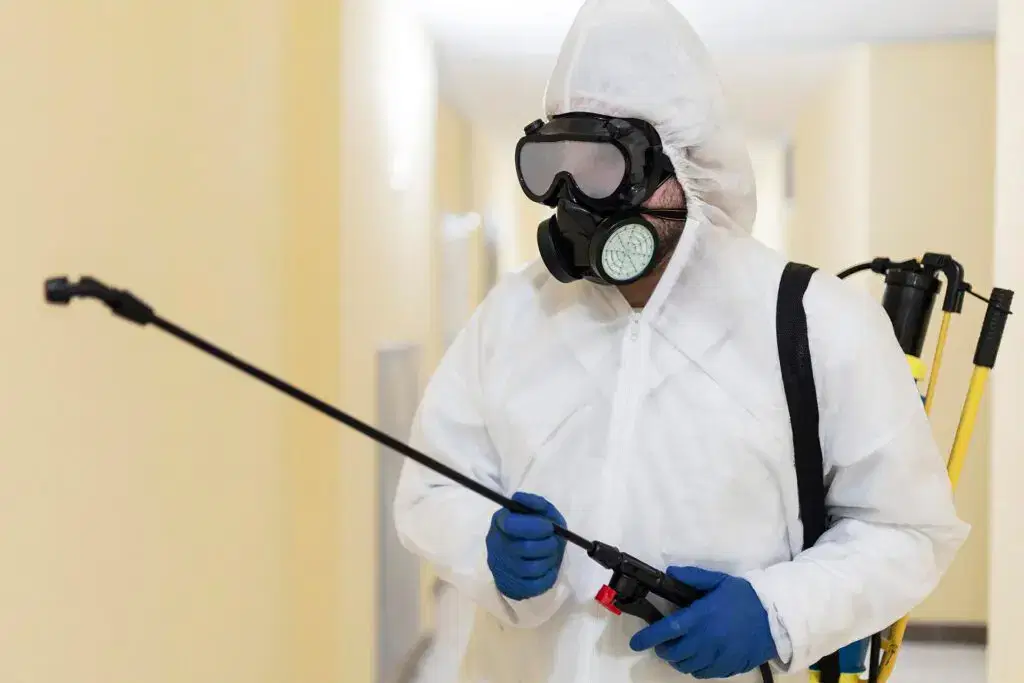
A proper pest control program starts with a detailed inspection of the facility. Professionals identify entry points, nesting areas, and conditions that attract pests. Based on this assessment, a customized plan is created to address the specific needs of the facility. Treatments may include traps, monitoring systems, and targeted chemical applications. Non chemical methods such as sanitation and exclusion are also important. Regular monitoring ensures that pest activity is controlled and does not return.
Integrated Pest Management Approach
Many industries now use an integrated pest management approach. This method focuses on long term prevention rather than short term solutions. It combines different strategies such as inspection, monitoring, sanitation, and targeted treatment. The goal is to reduce pest activity while minimizing the use of chemicals. This approach is safe, effective, and environmentally responsible. It also helps businesses meet safety and compliance standards.
Importance of Compliance and Regulations
Industrial facilities must follow strict health and safety regulations. Pest control is an important part of these requirements. Regular inspections and proper documentation are often needed to meet industry standards. Failure to control pests can lead to fines, legal issues, and loss of business licenses. By maintaining a strong pest control program, companies can ensure compliance and avoid these risks.
Preventive Measures for Industrial Spaces
Prevention is the most effective way to manage pests in industrial settings. Keeping the facility clean and organized reduces the chances of infestation. Waste should be managed properly and removed regularly. Sealing cracks and gaps prevents pests from entering the building. Installing screens on windows and maintaining doors can also help. Staff training is important so employees understand how to identify and report pest activity. Small steps can make a big difference in keeping pests away.
Benefits of Professional Industrial Pest Control
Professional pest control services offer expertise and experience that is difficult to achieve with basic methods. They understand the behavior of different pests and use advanced tools to manage them. Regular service visits help detect problems early and prevent them from spreading. This saves time and reduces costs in the long run. A well managed pest control plan also improves the overall working environment and ensures product quality.
Role of Technology in Pest Control
Modern pest control methods often use technology to improve results. Monitoring devices can track pest activity in real time and provide valuable data. This helps professionals make informed decisions and apply treatments more effectively. Digital reporting systems also make it easier to maintain records and meet compliance requirements. Technology adds an extra layer of control and efficiency to pest management programs.
When to Seek Immediate Help
Some situations require urgent attention. A sudden increase in pest activity, visible damage, or contamination issues should not be ignored. Quick action can prevent the problem from spreading and causing more damage. Professional services can handle these situations effectively and restore control in a short time. Delaying treatment can lead to serious consequences for the business.
Conclusion
Industrial environments require a strong and consistent approach to pest management. From preventing contamination to maintaining compliance, industrial pest control is essential for smooth operations. By understanding the risks, using proper methods, and focusing on prevention, businesses can protect their facilities and products. Partnering with a reliable service provider like Pest AI ensures effective solutions and long term protection, allowing industries to operate with confidence and peace of mind.
FAQs
What is industrial pest control
Industrial pest control is the process of managing and preventing pests in large facilities such as factories and warehouses using professional methods.
Why is pest control important in industries
It helps prevent contamination, protects products, and ensures compliance with health and safety regulations.
How often should industrial pest inspections be done
Inspections should be done regularly, often monthly or quarterly, depending on the facility and level of risk.
Are pest control treatments safe for workers
Yes, professional services use approved methods that are safe when applied correctly and according to guidelines.
What industries need pest control the most
Industries such as food processing, manufacturing, storage, and logistics require strong pest control programs to maintain safety and quality.



 About Urh Social
 Terms of Service
 Política de privacidade
 Contact

 English
 Arabic
 French
 Spanish
 Portuguese
 Deutsch
 Turkish
 Dutch
Dutch
 Italiano
 Russian
 Romaian
 Greek
Greek
