Termites are one of the most destructive pests a homeowner can face. They work quietly and often go unnoticed until serious damage has already occurred. These tiny insects feed on wood and other materials that contain cellulose, which makes your home an easy target. That is why proper Termite Removal is essential to protect your property and avoid costly repairs.
Why Termites Are a Serious Threat
Termites are different from many other pests because they do not just create a nuisance, they cause real structural damage. They can weaken wooden beams, floors, and even furniture over time. Since they live in colonies and work together, they can spread quickly and damage large areas without being seen.
One of the biggest challenges with termites is that they often stay hidden. By the time you notice visible signs, the damage may already be significant. This is why early awareness and prevention are very important.
Early Signs of Termite Activity
Recognizing the early signs of termites can help you take action before the problem becomes severe. One common sign is the presence of mud tubes on walls or foundations. These tubes are used by termites to travel safely between their nest and food source.
You may also notice hollow-sounding wood. When termites eat wood from the inside, it becomes weak and empty. Another sign is discarded wings near windows or doors, which usually appear when termites swarm.
Small cracks in wood, peeling paint, or tight-fitting doors and windows can also be warning signs. If you notice any of these, it is important to investigate further.
Types of Termites Found in Homes
There are different types of termites, and each behaves in its own way. Subterranean termites are the most common and live in soil. They build mud tubes to reach wooden structures and are known for causing serious damage.
Drywood termites live inside the wood they consume. They do not need contact with soil and are often found in furniture, walls, and wooden structures. Dampwood termites prefer moist wood and are usually found in areas with high humidity or water damage.
Understanding the type of termite can help in choosing the right treatment method.
How Termites Damage Property
Termites feed on cellulose, which is found in wood, paper, and some fabrics. As they eat, they create tunnels inside the material, weakening its structure. Over time, this can lead to serious damage to floors, walls, and support beams.
Unlike other pests, termites do not stop once they find a food source. They continue feeding and expanding their colony. This can result in costly repairs if the problem is not addressed quickly.
In severe cases, termite damage can even affect the safety of a building. That is why taking preventive steps is very important.
Preventive Measures for Termite Control
Prevention is the best way to deal with termites. Start by reducing moisture around your home. Fix leaks in pipes, roofs, and walls to eliminate damp conditions that attract termites.
Keep wood and soil separate. Avoid placing wooden items directly on the ground near your home. Store firewood away from your house and keep it elevated.
Regularly inspect your home for cracks and gaps. Seal any openings in the foundation, walls, and around pipes. These small steps can help prevent termites from entering.
Maintaining proper ventilation is also important. Dry environments are less attractive to termites, so ensure good airflow in basements and crawl spaces.
Importance of Regular Inspection
Regular inspection plays a key role in termite prevention. Checking your home every few months can help you detect problems early. Look for signs like mud tubes, damaged wood, or unusual marks on walls.
Professional inspections are also helpful. Experts can identify hidden issues that are not visible to the untrained eye. Early detection can save you from expensive repairs in the future.
Treatment Options for Termites
There are different treatment options available depending on the level of infestation. Chemical treatments are commonly used to create a barrier around your home. This prevents termites from entering or spreading.
Bait systems are another option. These involve placing bait stations around your home to attract termites. Once they consume the bait, it spreads through the colony and helps eliminate it.
For smaller issues, localized treatments may be enough. However, larger infestations often require a more comprehensive approach.
Why Professional Help Is Important
Termite problems can be difficult to handle without proper knowledge and tools. DIY methods may provide temporary relief, but they often do not address the root of the problem.
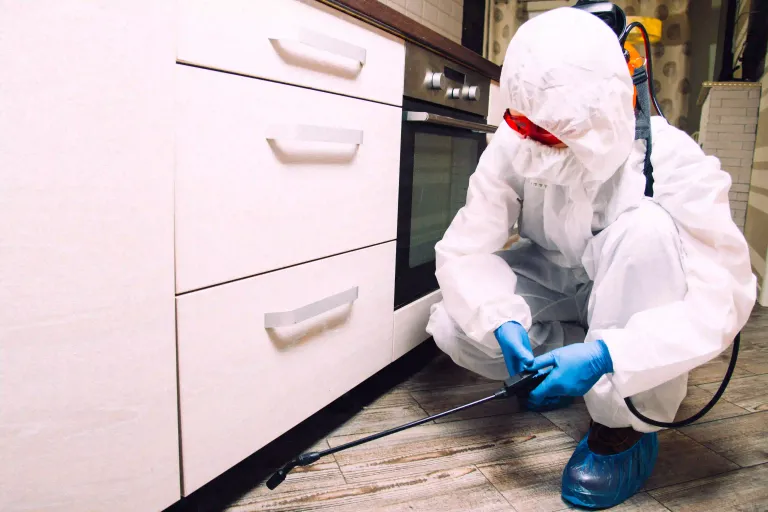
Professional pest control services offer complete solutions. They inspect your home, identify the type of termite, and apply the most effective treatment. This ensures long-term protection and reduces the risk of future infestations.
For reliable and effective results, homeowners often turn to services like My Pest Exterminator to protect their homes from termite damage.
Long-Term Protection Tips
Keeping your home termite-free requires ongoing care. Continue to monitor your home regularly and address any signs of moisture or damage immediately. Maintain proper ventilation and keep your surroundings clean.
Avoid storing wooden items near your home’s foundation. Use treated wood when possible, as it is more resistant to termites. These small steps can make a big difference in preventing future problems.
Staying proactive is the best way to ensure long-term protection.
Conclusion
Termites are silent destroyers that can cause serious damage if left untreated. Understanding their behavior and taking preventive measures can help you protect your home and avoid costly repairs. Regular inspection, proper maintenance, and timely action are key to effective control.
While small issues can sometimes be managed with simple methods, professional pest control services provide the most reliable and long-lasting results. With the right approach, you can keep your home safe and secure from termite damage.
FAQs
1. How do I know if I have termites in my home
Look for signs like mud tubes, hollow wood, discarded wings, and damaged wooden structures.
2. Are termites expensive to treat
The cost depends on the level of infestation, but early treatment is usually more affordable than repairing damage.
3. Can termites destroy a house completely
If left untreated for a long time, termites can cause severe structural damage to a home.
4. How fast do termites spread
Termites can spread quickly because they live in large colonies and work continuously.
5. What is the best way to prevent termites
Reduce moisture, seal entry points, keep wood away from soil, and conduct regular inspections.



 About Urh Social
 Terms of Service
 Privacy Policy
 Contact

 Arabic
 French
 Spanish
 Portuguese
 Deutsch
 Turkish
 Dutch
Dutch
 Italiano
 Russian
 Romaian
 Portuguese (Brazil)
 Greek
Greek
